
Short-eared Owl With Huge Vole (or is it something else?)
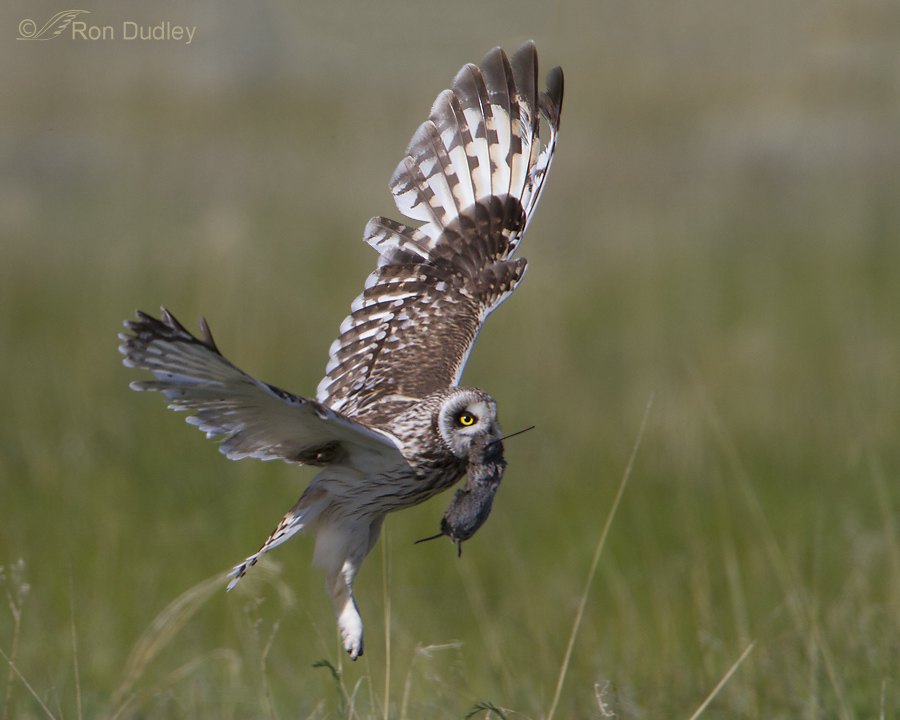
Most adult voles I see are about the same size but occasionally I notice one that appears to have been on an extended steroid regimen. Perhaps they’re not voles at all…?

Most adult voles I see are about the same size but occasionally I notice one that appears to have been on an extended steroid regimen. Perhaps they’re not voles at all…?
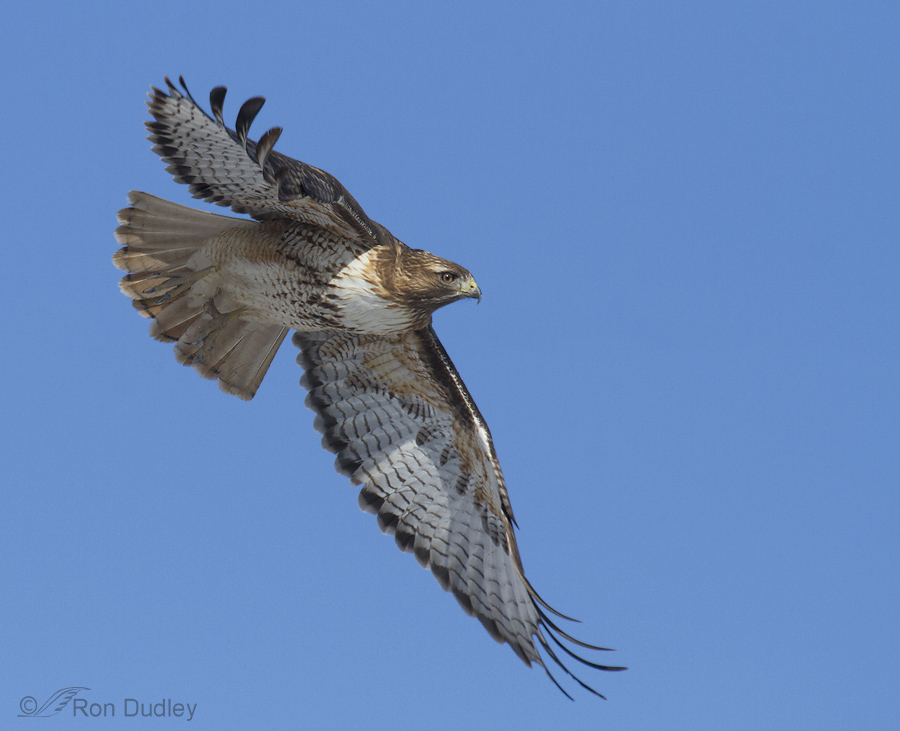
Yesterday morning I had a great time photographing an adult Red-tailed Hawk in northern Utah County as it hunted rodents from power poles. The experience was both rewarding and frustrating as I’ll explain.
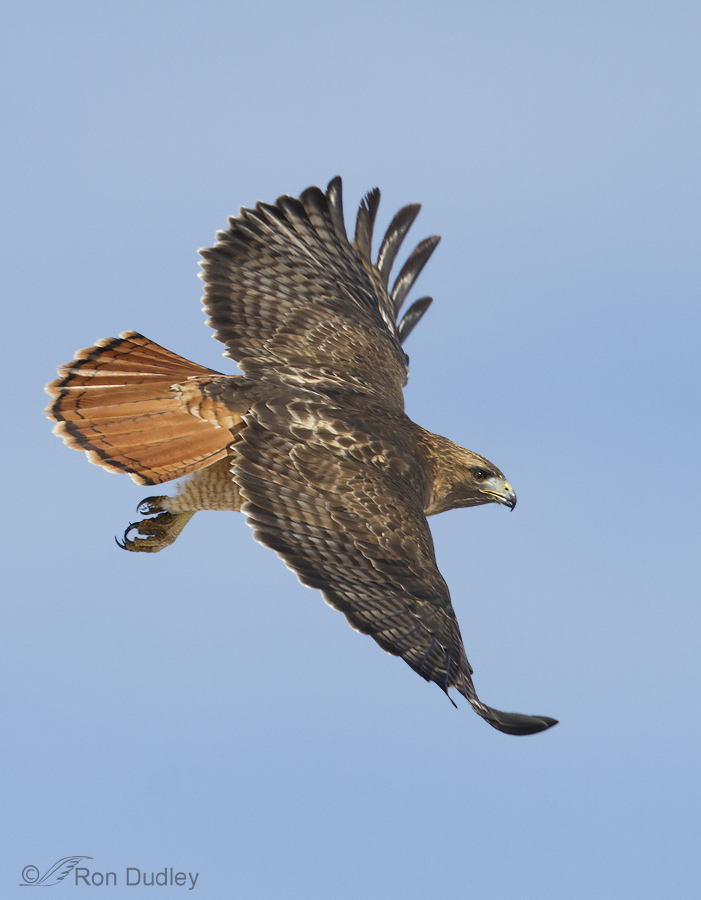
It’s become our tradition to spend New Year’s Day in northern Box Elder County looking for raptors. Just over two weeks ago this adult Red-tail gave me a good look at the entirety of its visible plumage.
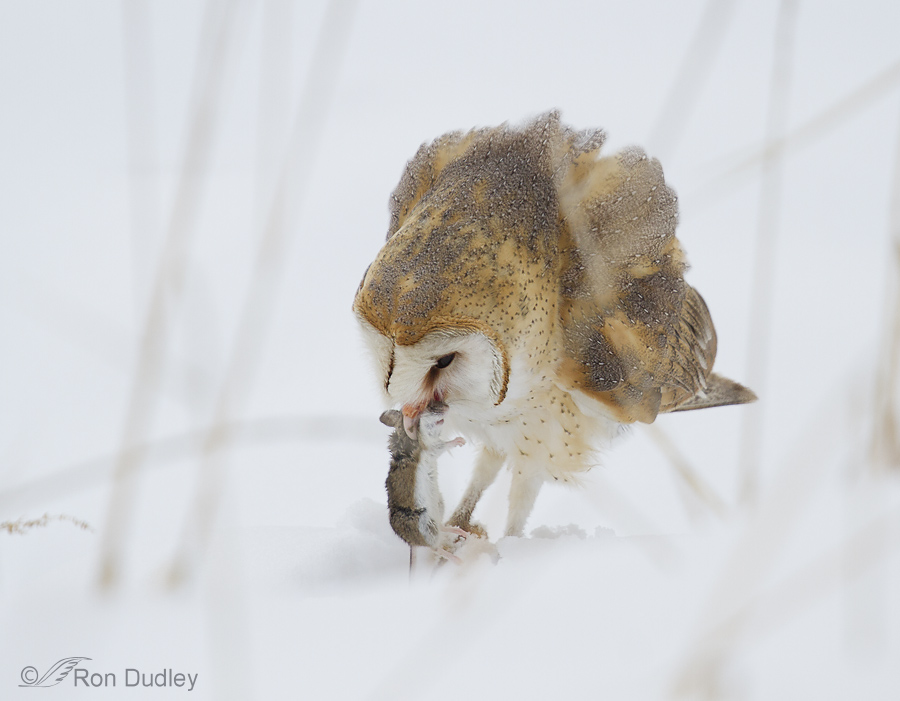
Yesterday was chock full of avian surprises!
It was overcast and gloomy the entire day, the kind of day we normally stay home, but in an effort to relieve cabin fever we finally broke down and left for Farmington at midday. While there we didn’t see many birds and almost left for home after one tour of the area but at the last minute decided to do another. That’s when this cooperative Barn Owl came into play.
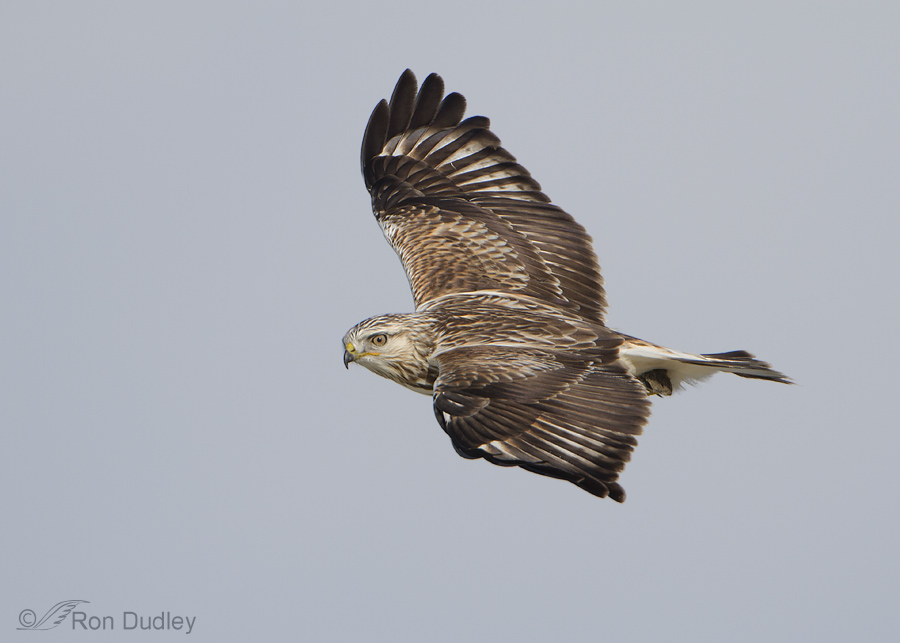
It’s pretty unusual to be able to see prey in the talons with a topside view of a hawk in flight.
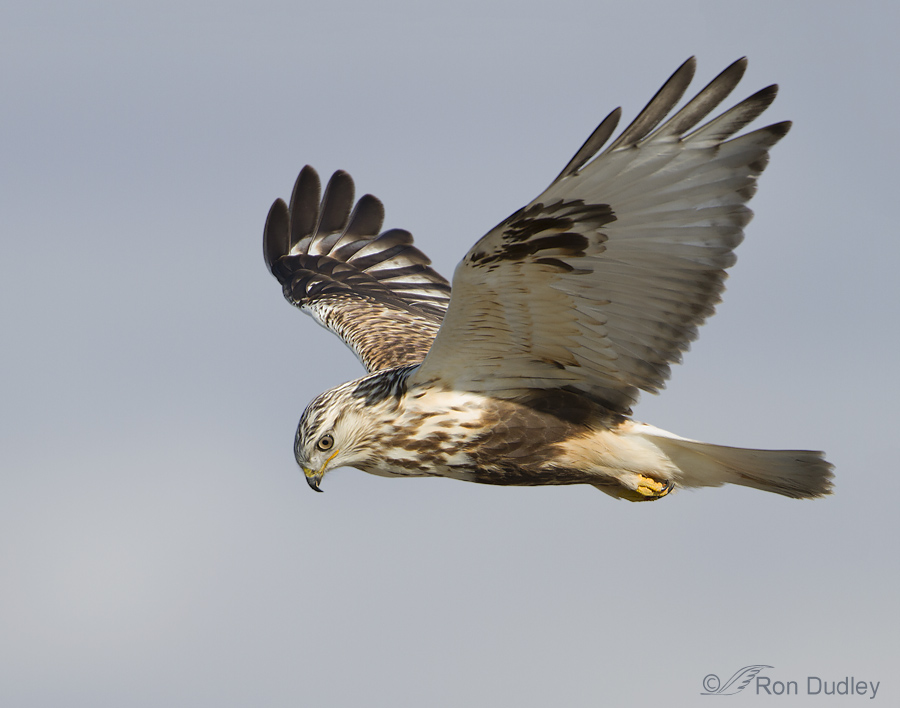
Like some other buteos, depending on conditions the Rough-legged Hawk may hunt from the air using flapping/gliding flight or from an elevated perch but their tendency to hunt in flight goes up significantly with increasing wind speed. This makes sense because hovering in the wind requires less energy than flapping flight.
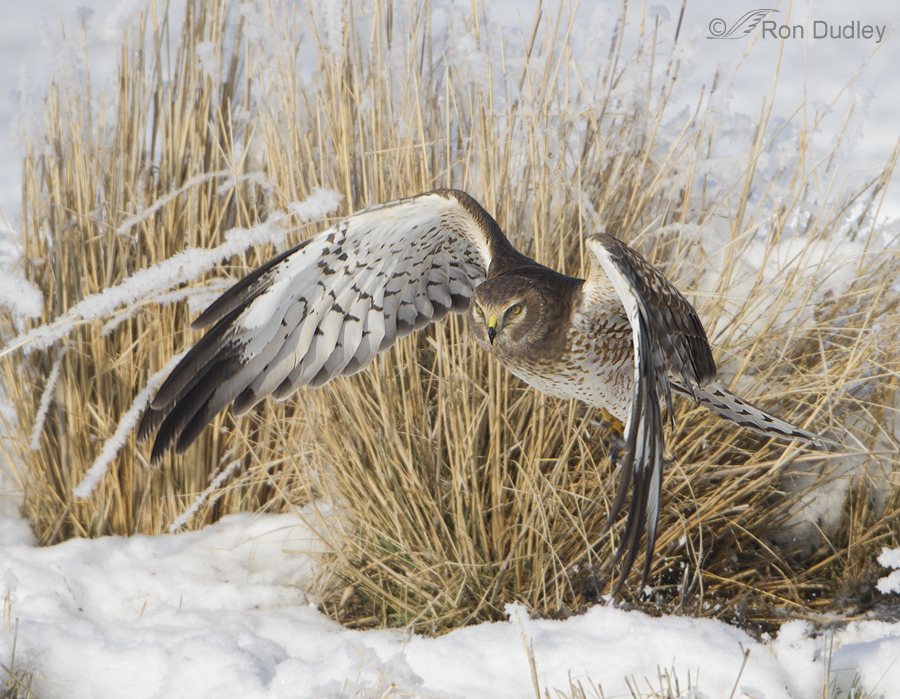
Last winter Northern Harriers really struggled to survive here in northern Utah. For several months it was bitter cold with a thick layer of snow on the ground which made it close to impossible for our wintering raptors (including Barn Owls) to find and catch their typical prey – voles. So harriers were forced to look for other food sources, including small birds. Songbirds are relatively scarce here that time of year but this harrier got lucky.
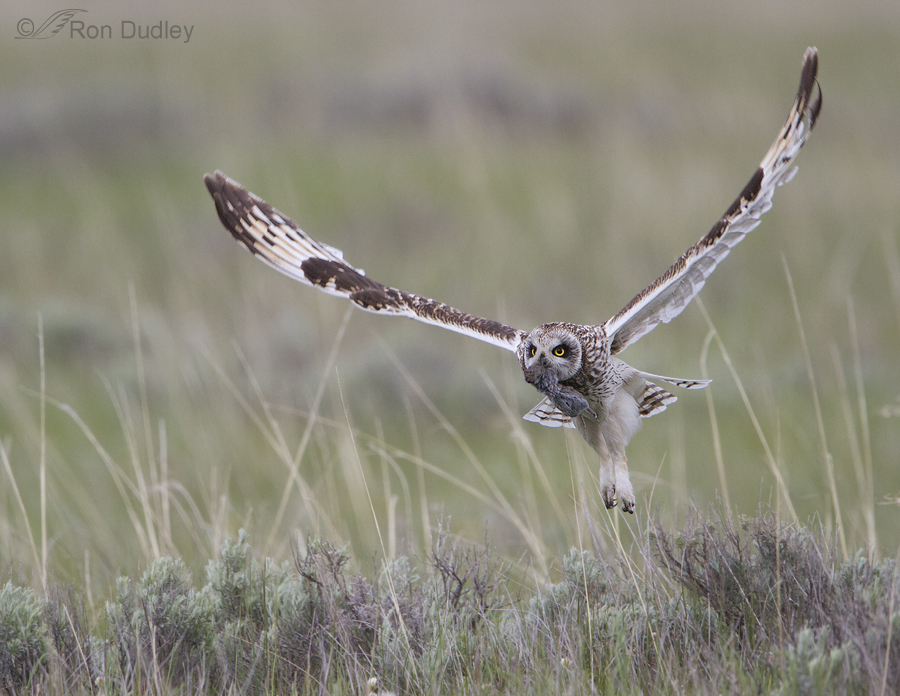
I have many images of Short-eared Owls carrying prey in their talons in flight but very few where they’re carrying the prey in their beak. This is one of them.
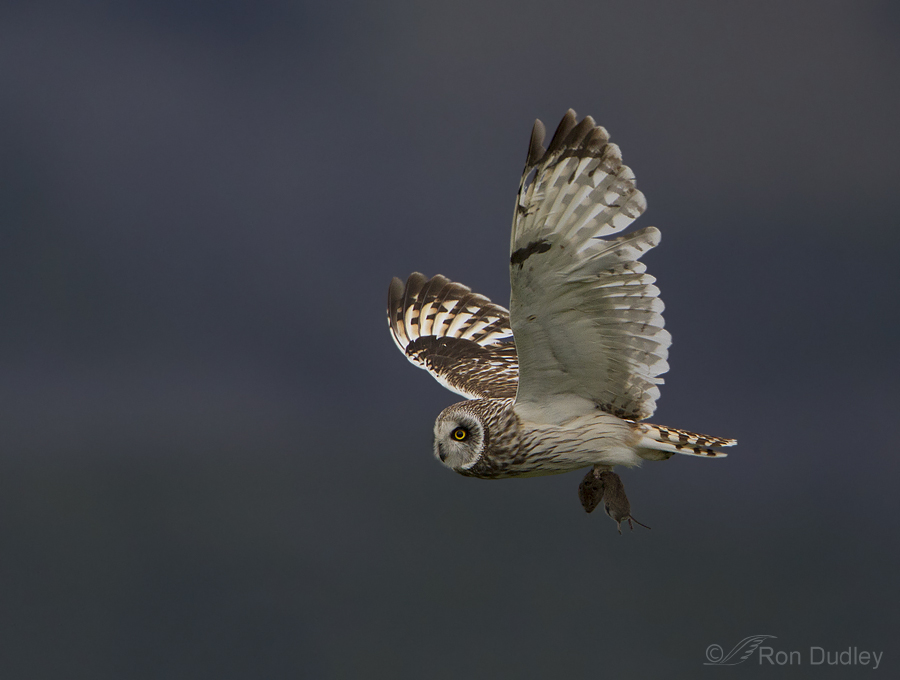
Though Short-eared Owls are one of the worlds most widespread owls, the species is highly dependent on the density of its small mammal prey, voles in particular. Since vole populations fluctuate wildly, Short-eared Owls show significant local variation in numbers and reproductive success from year to year.
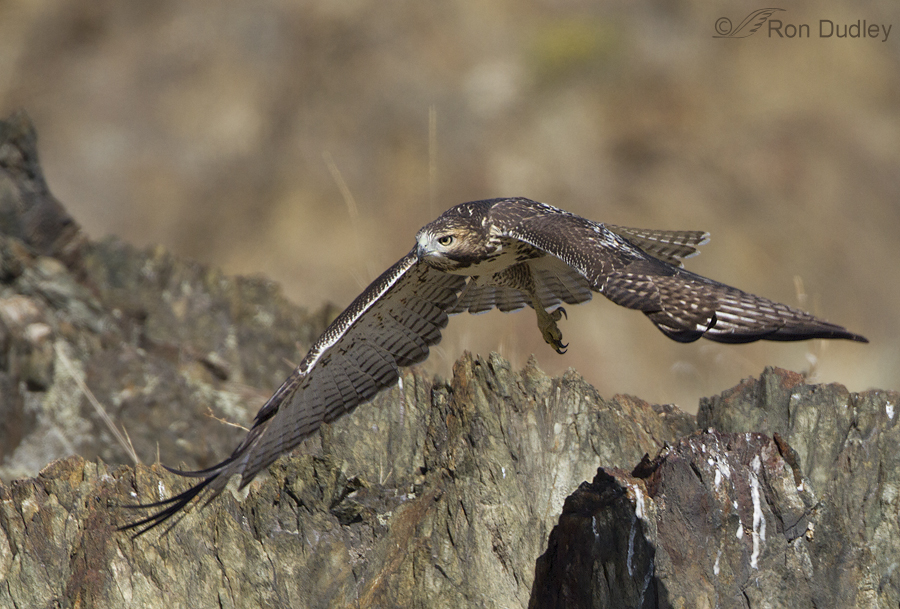
Red-tailed Hawks in North America are “sit and wait predators” who do most of their hunting (60 – 80%) from elevated perches. Though they do hunt from the air, that is not their primary hunting style. In fact, availability of elevated perches is a key factor in determining their foraging distribution.
Antelope Island is largely treeless and without power poles so Red-tails tend to be found in specific locations on the island where elevated natural perches are available. One of their favorite foraging spots is an area where there are large outcroppings of Farmington Canyon Complex rocks jutting out from the side of a small mountain, which is where I found this bird hunting voles
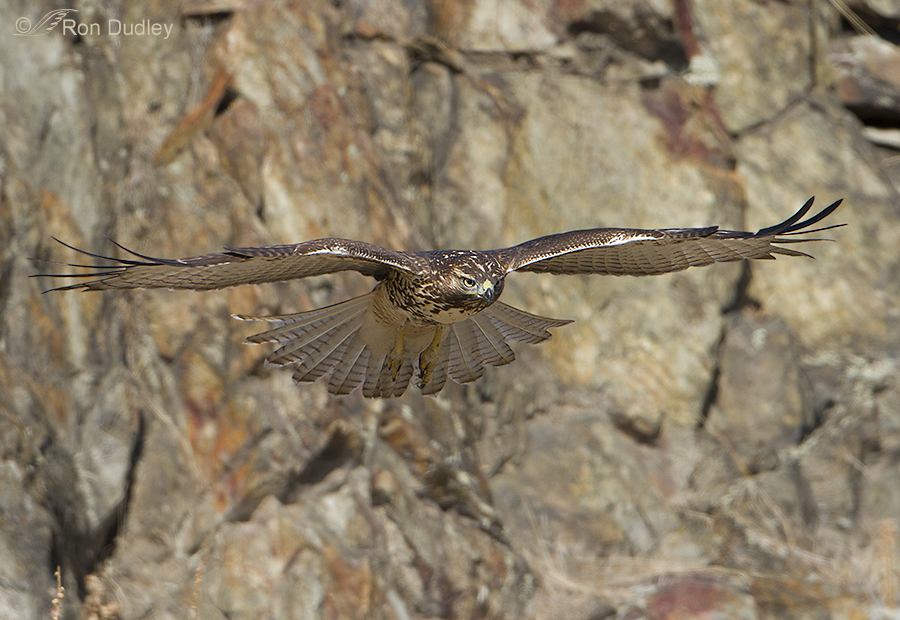
About a year ago I spent some time with this juvenile Red-tailed Hawk as it honed its hunting skills. It wasn’t yet a very good hunter but it sure tried hard. It typically perched on top of some rocky outcrops as it scanned the grassy slopes below for voles. Then it would swoop down and make its attempt, though it seldom caught anything that I was aware of. Learning to hunt isn’t easy and the price to pay for failure is a dear one.
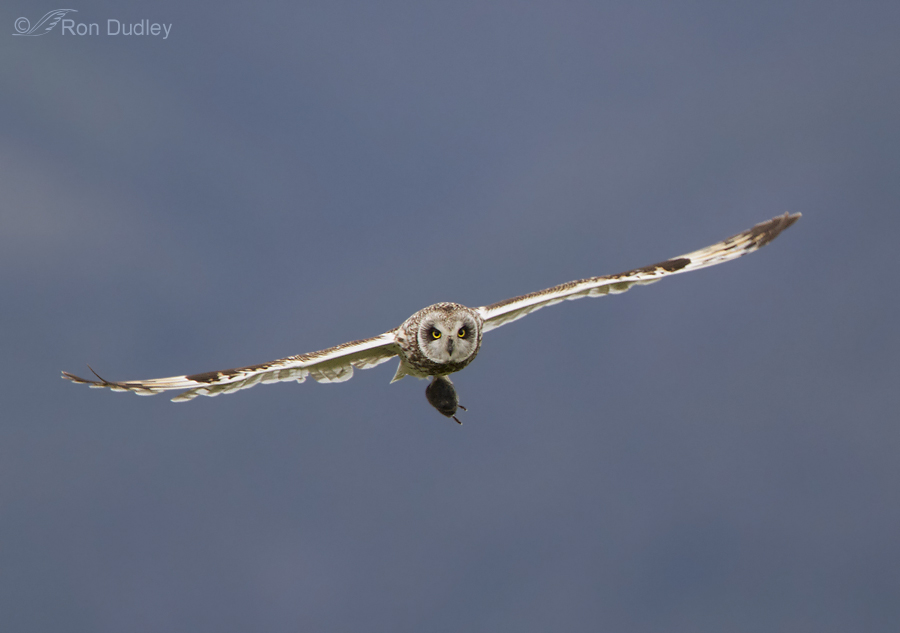
Head-on flight shots of owls have often been baited using live, store-bought mice. I’m of the opinion that baiting raptors is not only unethical (a debate I’d prefer to not get into here) but unnecessary for those kinds of images. However they typically require patience, intimate knowledge of the subject, a keen eye for interpreting behavior and even a little luck.
The sturdy, broad-winged buteos tend to be large raptors with correspondingly slower movements than most smaller birds. Most of the time when I’m watching them they’re hunting from an elevated perch or soaring overhead and in neither situation do they typically demonstrate much quickness or agility.
But they can put on quite the show when they need to.
This sequence is from the summer of 2010 in southwest Montana. The adult male was kept busy hunting and delivering voles to his family of two chicks and the female on the nest.
I’ve never been able to get a really good look at both the hook and tomial teeth on the bill of a Loggerhead Shrike in any of my images. Until two days ago on Antelope Island…