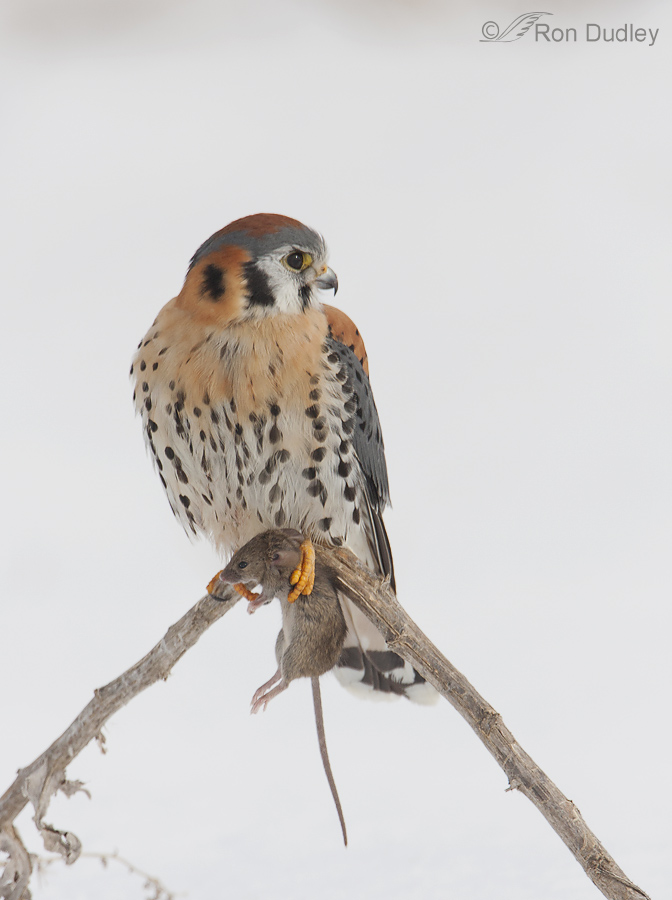
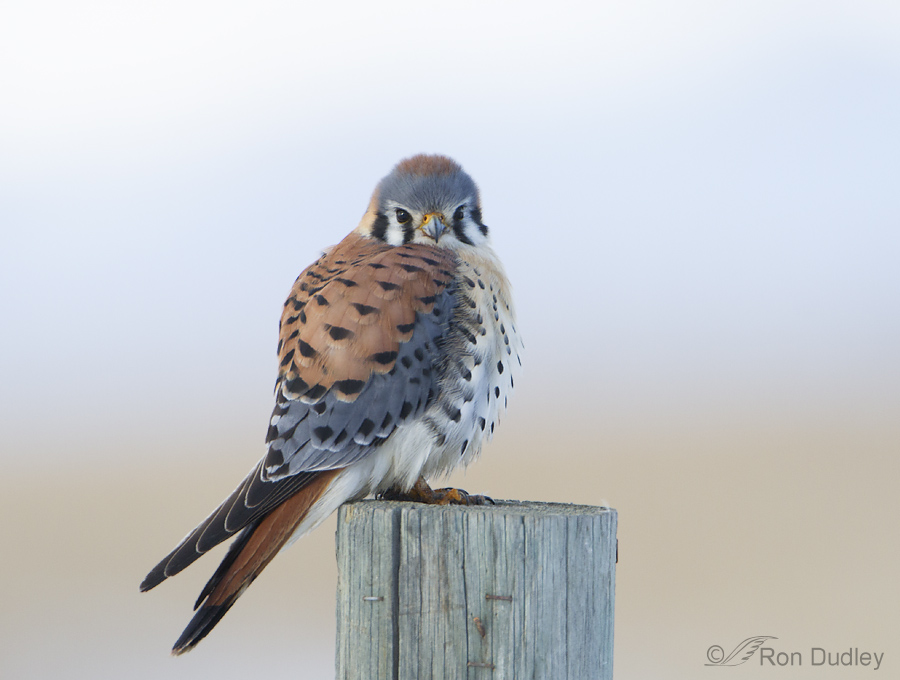
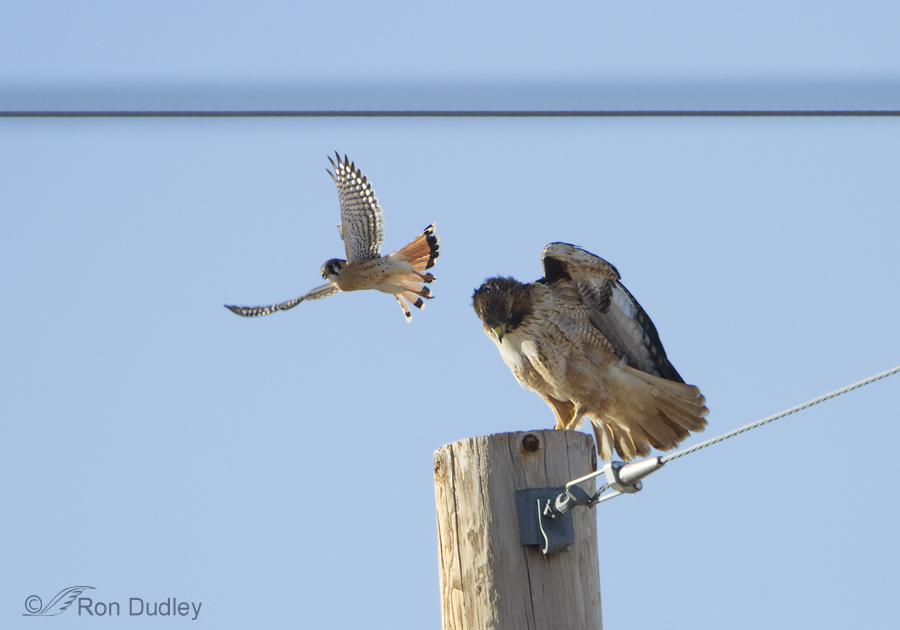
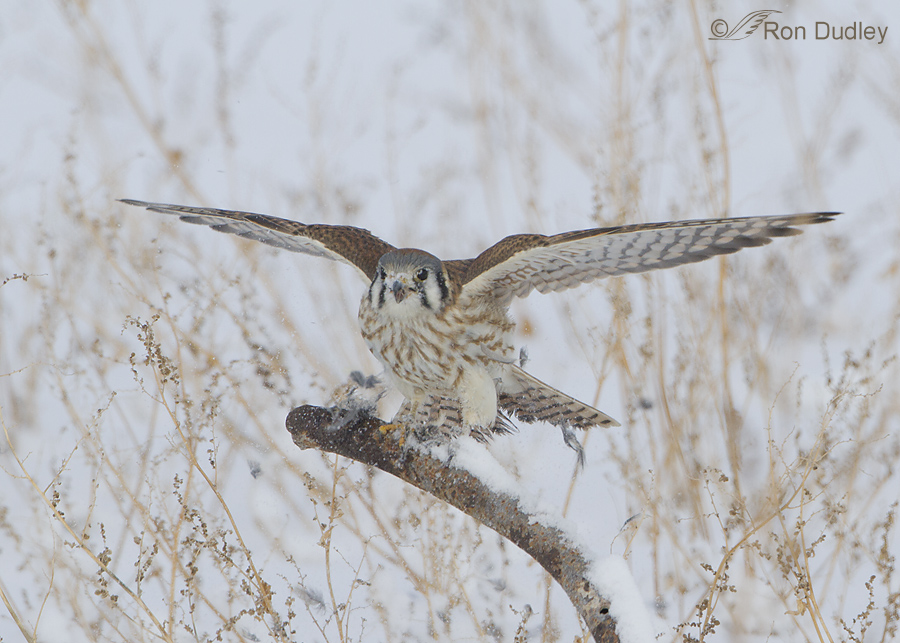
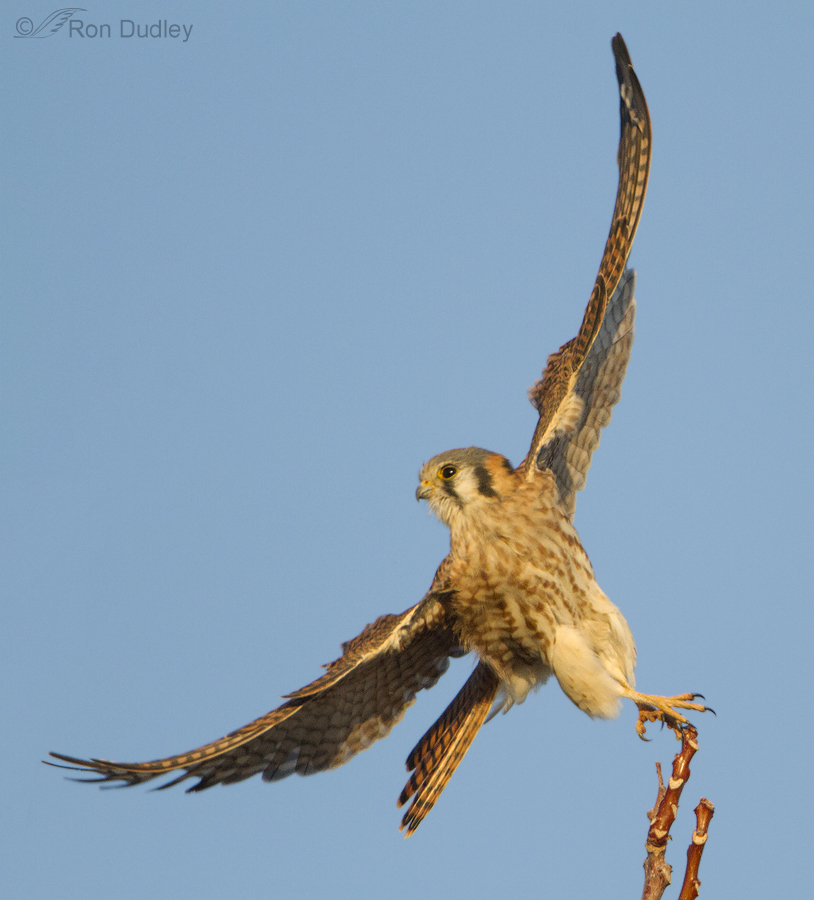
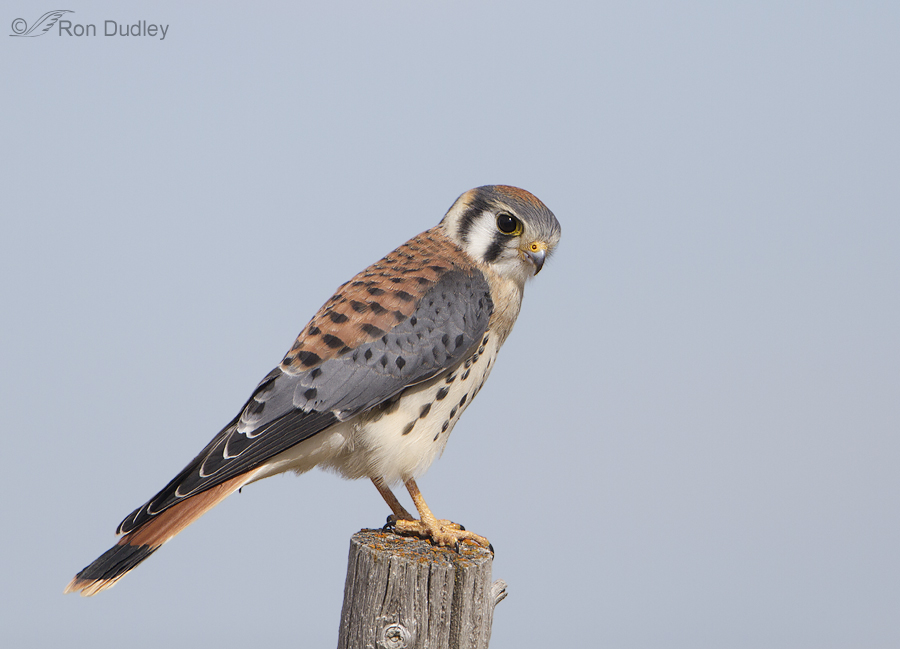
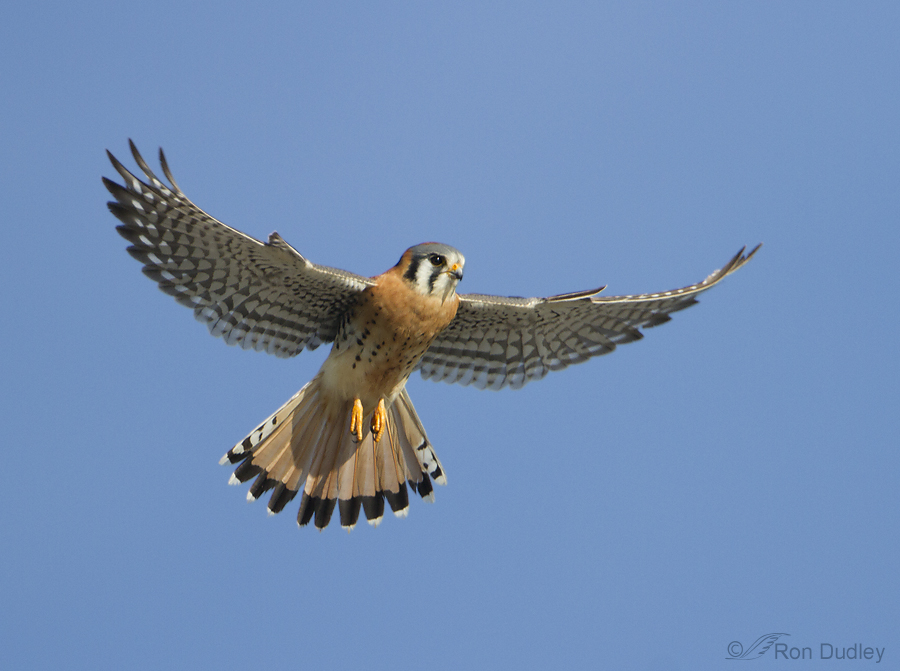
Female Kestrel – A Twisting, Turning Take-off

Occasionally during take-off an American Kestrel will put on a show of its considerable acrobatic skills but it happens so fast with these little falcons that many of us don’t really appreciate the coordination and skill involved. Yesterday morning I got one shot that I think demonstrates it pretty well.

Continue reading

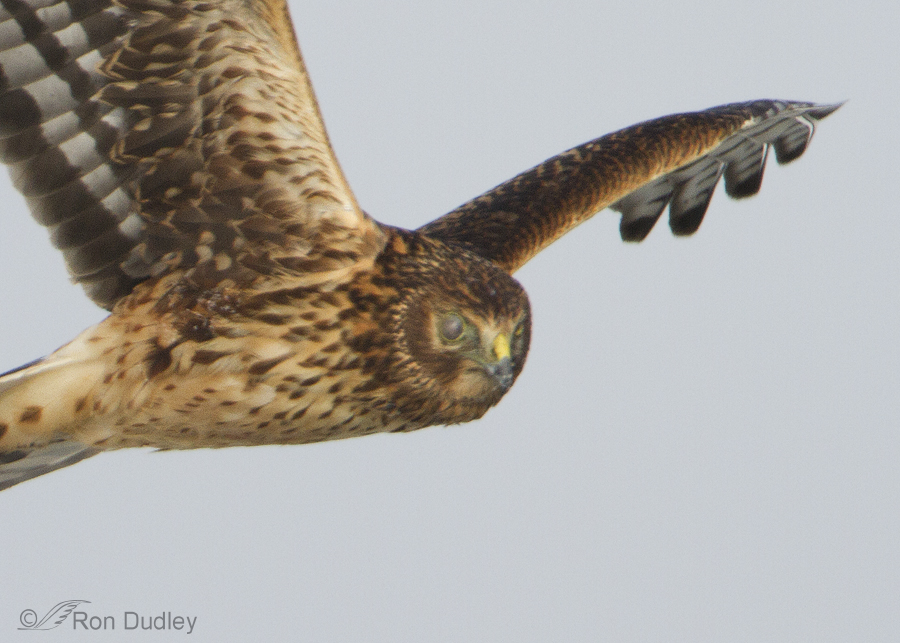
Eye Defects In Raptors

Over the years I’ve seen a number of birds with eye problems. Some of them appeared to be infections and others injuries but I’m beginning to notice a pattern of symptoms that looks similar from bird to bird – particularly in raptors. I’ve included two examples here.

Continue reading

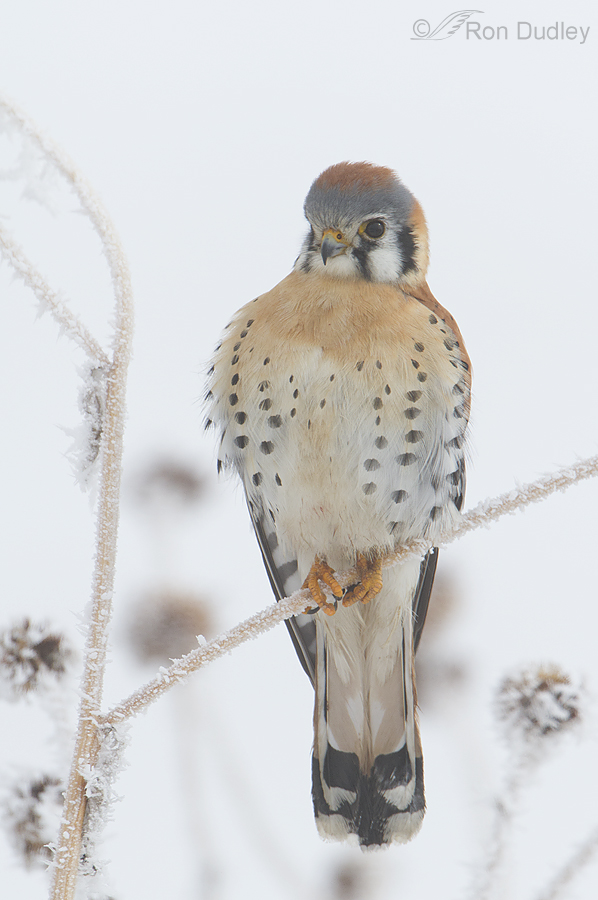
American Kestrel In Fog

Images of birds in fog often have a unique mood and “feel”. The tendency of many photographers is to attempt to minimize the effects of the fog during processing but I try to resist that temptation and let the image sink or swim on its true merits.

Fog tends to reduce detail and color saturation and causes the subject to appear slightly overexposed. It also often results in high key backgrounds. Some of those effects can be reduced by increasing contrast/saturation during processing but then you are losing the mood provided by the fog in the first place. All I’ve done with this image is crop and sharpen.

Continue reading

Some Good News On The Kestrel Front

Several weeks ago I reported here about the alarming decline of the American Kestrel in most of North America. That decline has been apparent to me locally (Utah) as I’m seeing and photographing far fewer of them than in the past. Other more scientific and reliable sources report similar declines in many areas of the continent.

But apparently there are pockets of habitat where kestrels are still thriving and one of them is the Centennial Valley of southwest Montana.

Continue reading

What’s Happening To Our Kestrels?

Recently I’ve been reading some disturbing reports about the decline of the American Kestrel in North America. And I’m talking about a drastic decline! I’ve speculated about just that in a previous post, based on my own recent observations in northern Utah but I’ve been hoping that what I’ve noticed is only a local and temporary phenomenon. Apparently it isn’t.

Continue reading

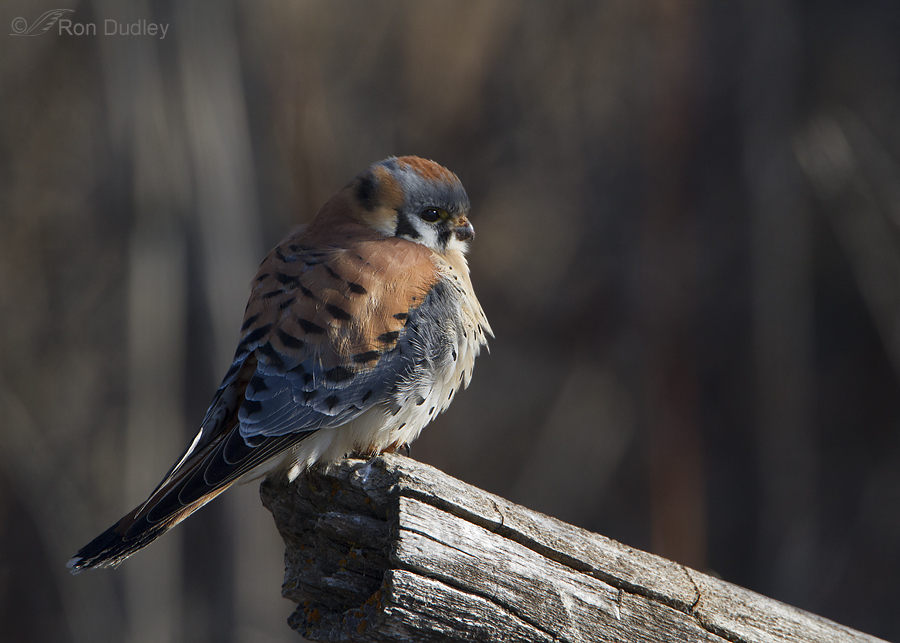
Male American Kestrel In Dramatic Light

In order to escape some severe wind this male American Kestrel chose to perch very low to the ground at the base of a large cottonwood tree. He was mostly in deep shade but occasionally the effect of the wind on the tree would put some dappled light on him.

Continue reading

American Kestrel With Snake Prey

Anyone who follows my blog knows that I observe and photograph kestrels often but I’ve never before seen one with snake prey. In my experience it’s always been voles, mice, small birds or (less often) insects. When we first noticed this bird it already had the snake on this bush perch.

Continue reading

American Kestrel With Peeling Beak

I’ve never before posted this image because of the “imperfection” of the peeling beak tip of this male American Kestrel. Bird beaks are largely composed of the protein keratin and like our fingernails are constantly growing. This can apparently cause flaking or peeling of the beak but I don’t understand why and so far internet research hasn’t provided the answer.

Continue reading