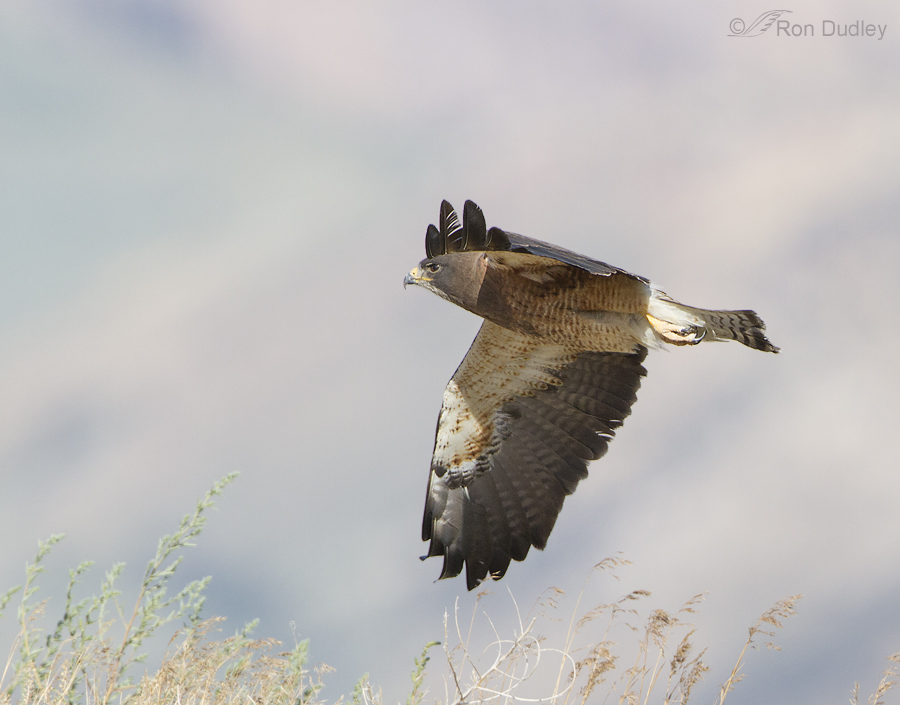
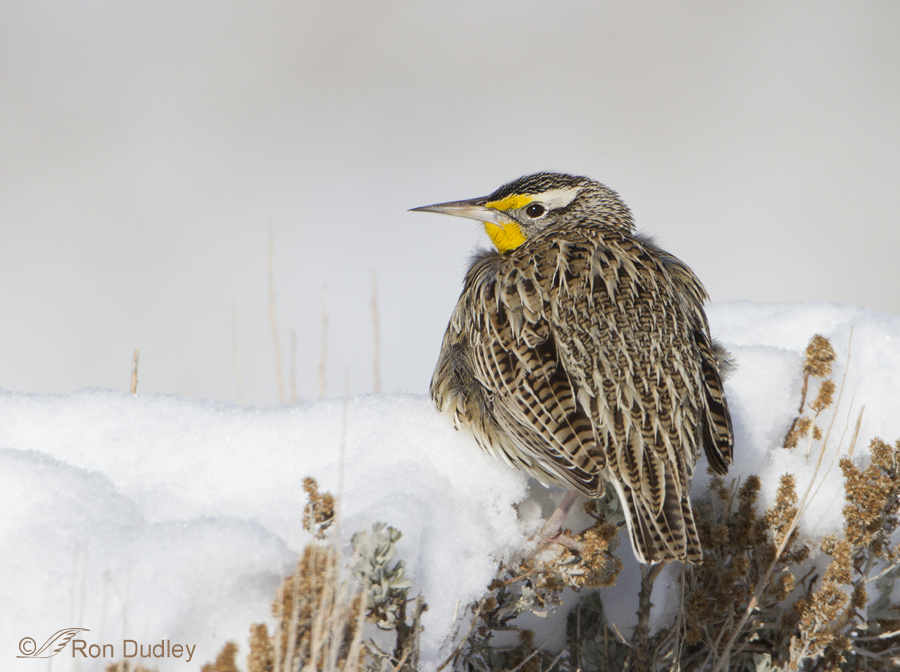
A Tribute To The “Common Species”

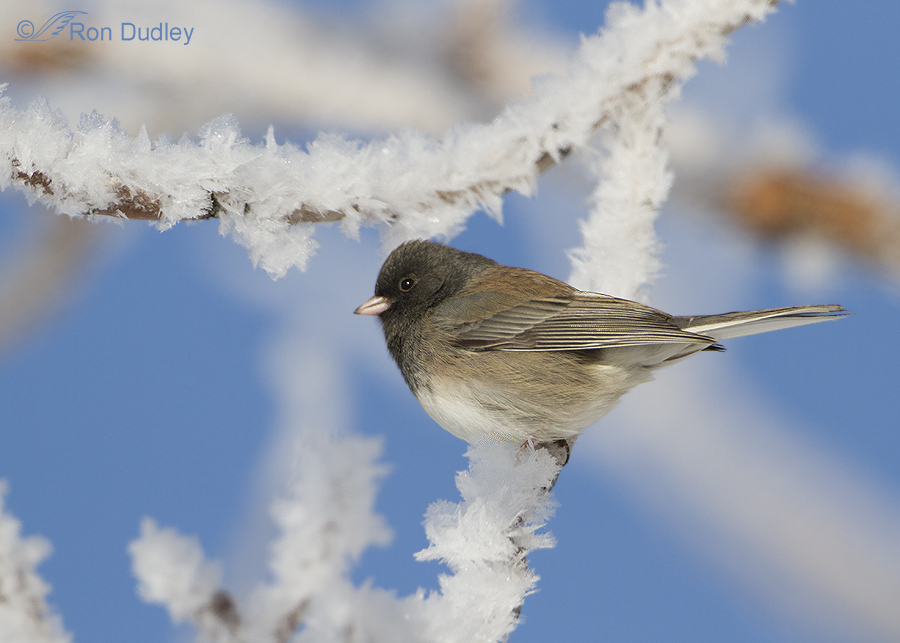
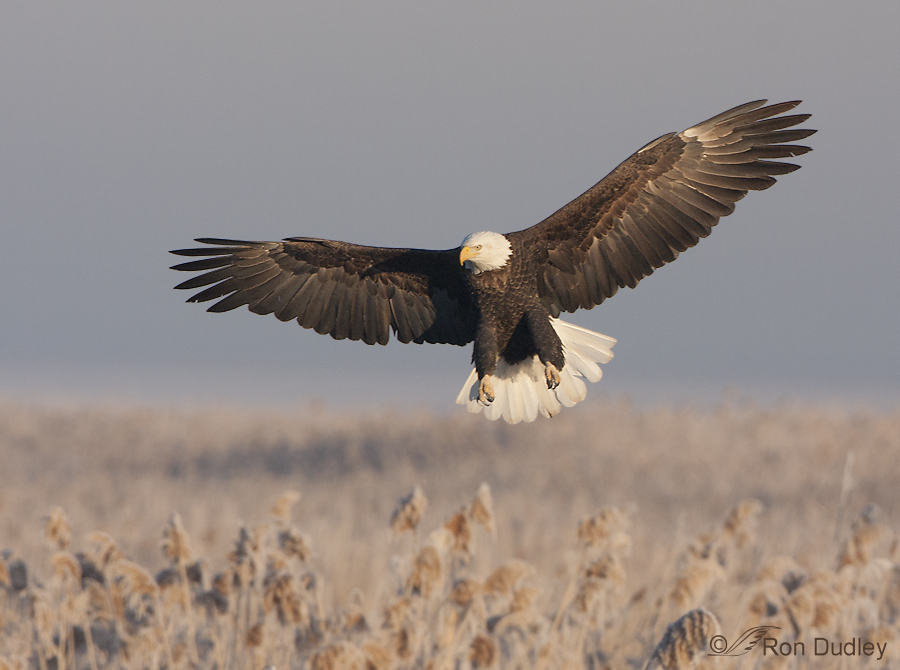
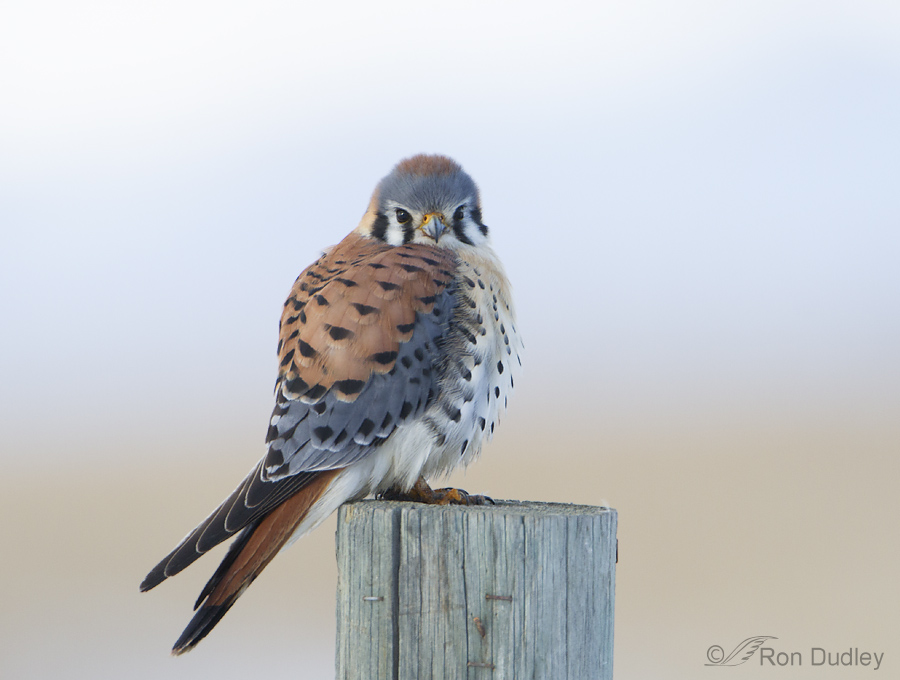
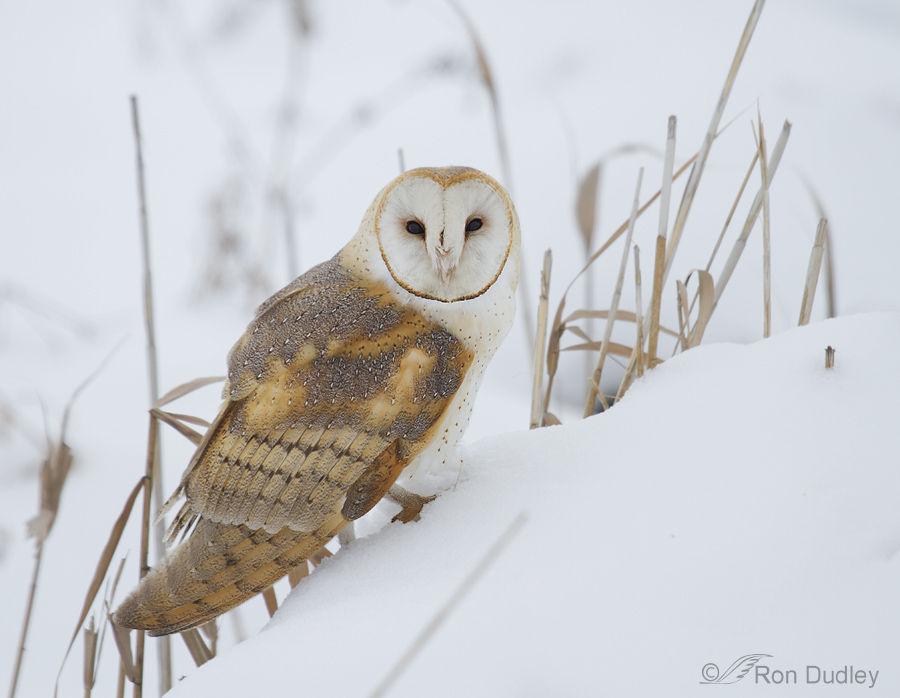
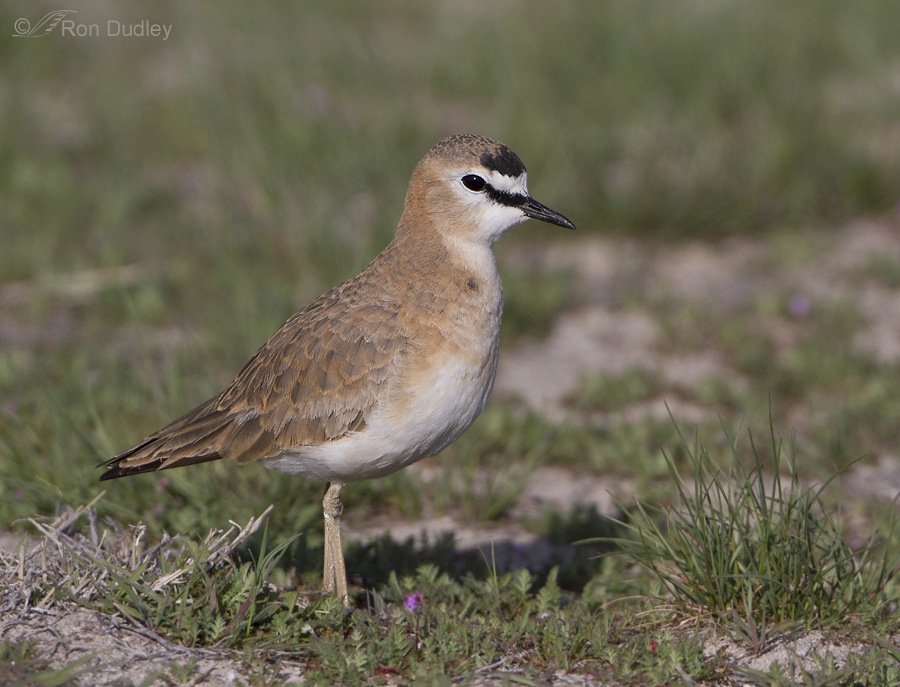
Many bird photographers tend to largely ignore the most common species in their areas and I’m as guilty of that as anyone.

There seems to be a sort of “supply and demand” philosophy – the more common they are the less appealing they are as subjects. That’s too bad for at least a couple of reasons – familiar birds can be just as interesting and beautiful as many of the others and what’s “common” where we live and/or shoot is very often uncommon or even nonexistent for folks in other areas. This post is meant to make up to some degree for my own poor judgment at times in choosing subjects.
Continue reading

Hummingbird Respite

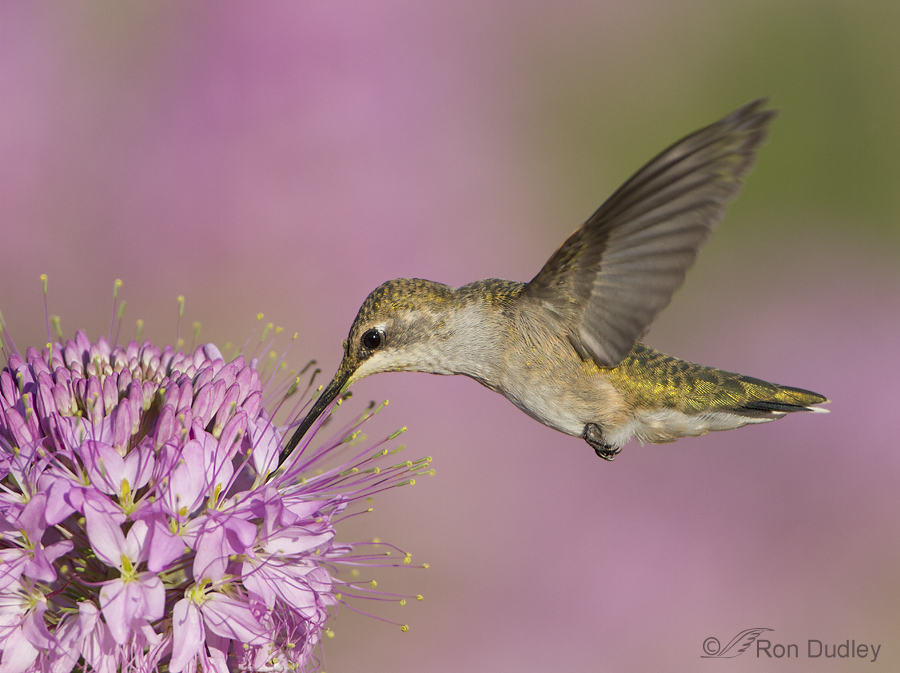
Snow, cold, fog, dreary skies, poor light and polluted air – that’s all we’ve had for many days and I’m sick of it! This morning I need a reprieve and hummingbirds will provide it..

Continue reading

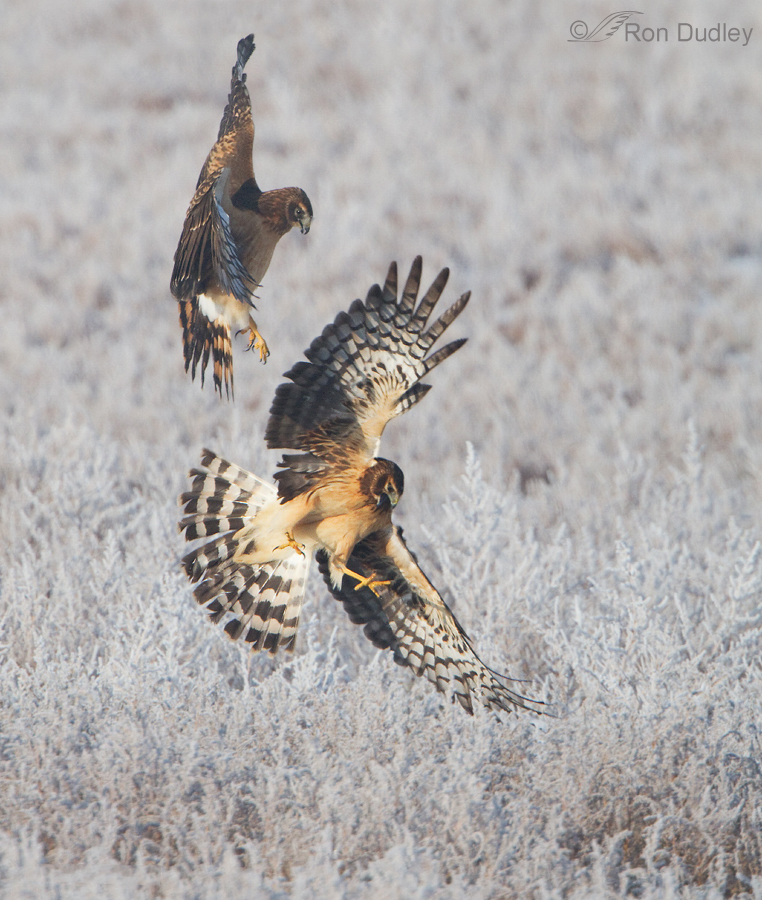
Fighting Harriers

The seriousness of confrontations between Northern Harriers varies with the situation. Conflicts over food, especially during harsh winters, can be intense and dramatic but they often seem to spar with each other just for the “fun” of it. I’ve often seen and occasionally photographed both extremes of aggressive behavior.

Continue reading

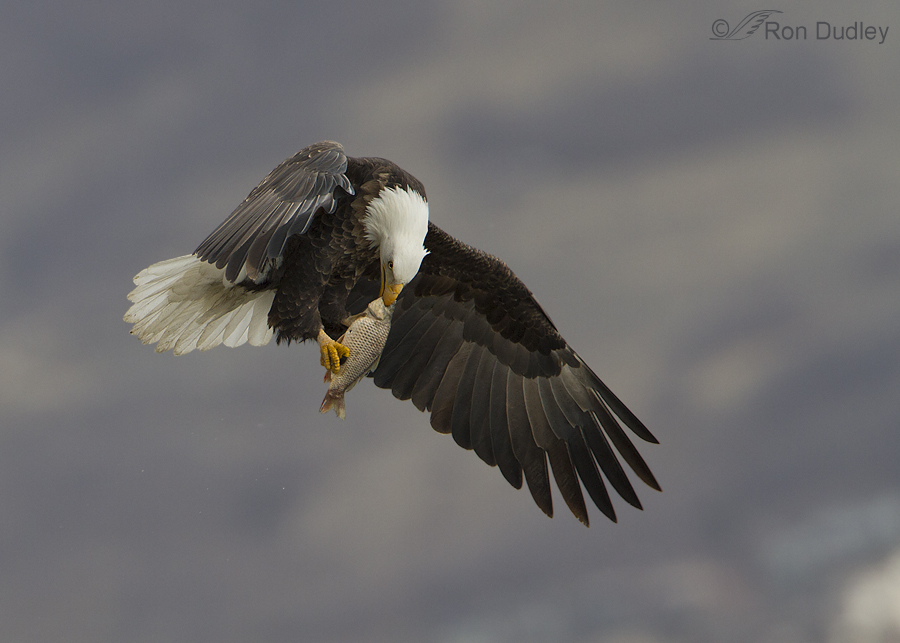
Bald Eagle Potpourri

Yesterday morning I saw my first Bald Eagle of the season at Farmington Bay. It was too far away for even mediocre images but it was there! We have a small number of resident eagles in northern Utah but those few birds normally don’t hang out at Farmington this early in the season so I’m not sure if it was a wandering resident or an early migrant. Either way it was a delight to see.

As a result, when I began thinking about today’s post my mind kept returning to eagles so I thought I’d present several images taken at Farmington two winters ago.

Continue reading

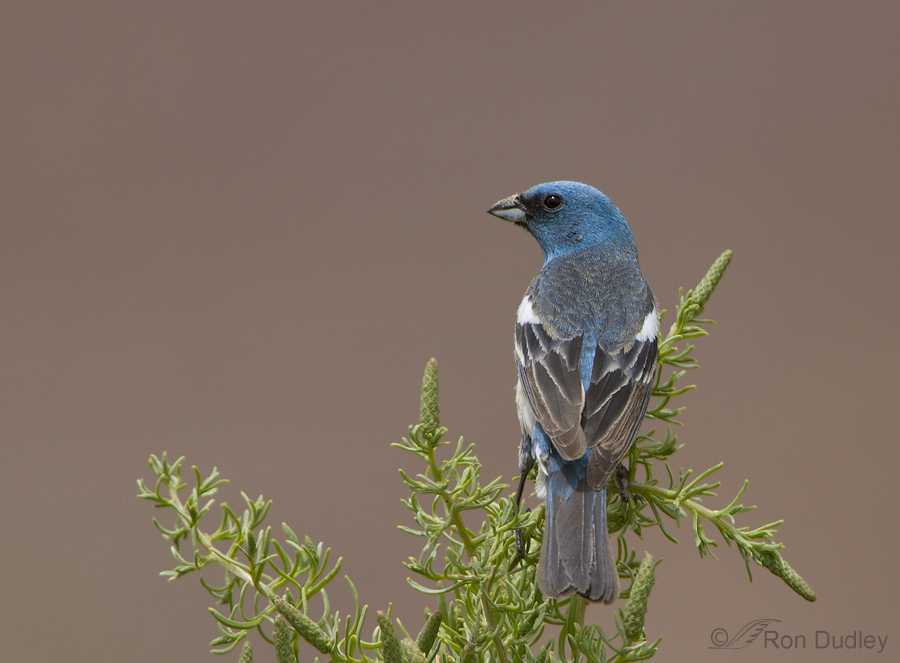
Lazuli Buntings In The San Rafael Swell

Appropriately named after the blue gemstone lapis lazuli, the Lazuli Bunting is one of our most colorful western birds. The persistent and conspicuous song of the male throughout the breeding season has been likened to an “acoustic barcode” that is unique to that individual bird.

Continue reading

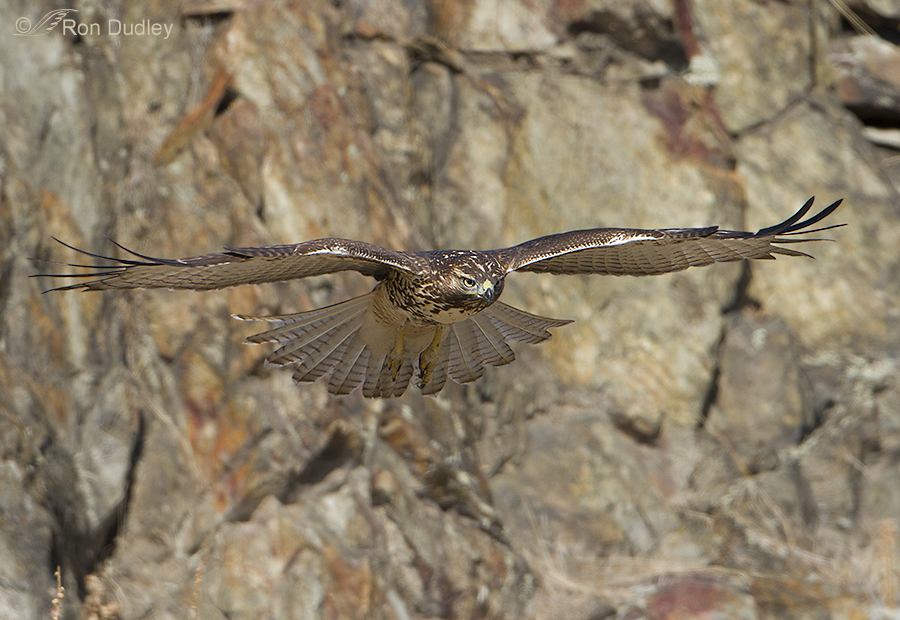
Red-tailed Hawk Gliding To Its Prey

About a year ago I spent some time with this juvenile Red-tailed Hawk as it honed its hunting skills. It wasn’t yet a very good hunter but it sure tried hard. It typically perched on top of some rocky outcrops as it scanned the grassy slopes below for voles. Then it would swoop down and make its attempt, though it seldom caught anything that I was aware of. Learning to hunt isn’t easy and the price to pay for failure is a dear one.

Continue reading

Some Interesting Coyote Behaviors

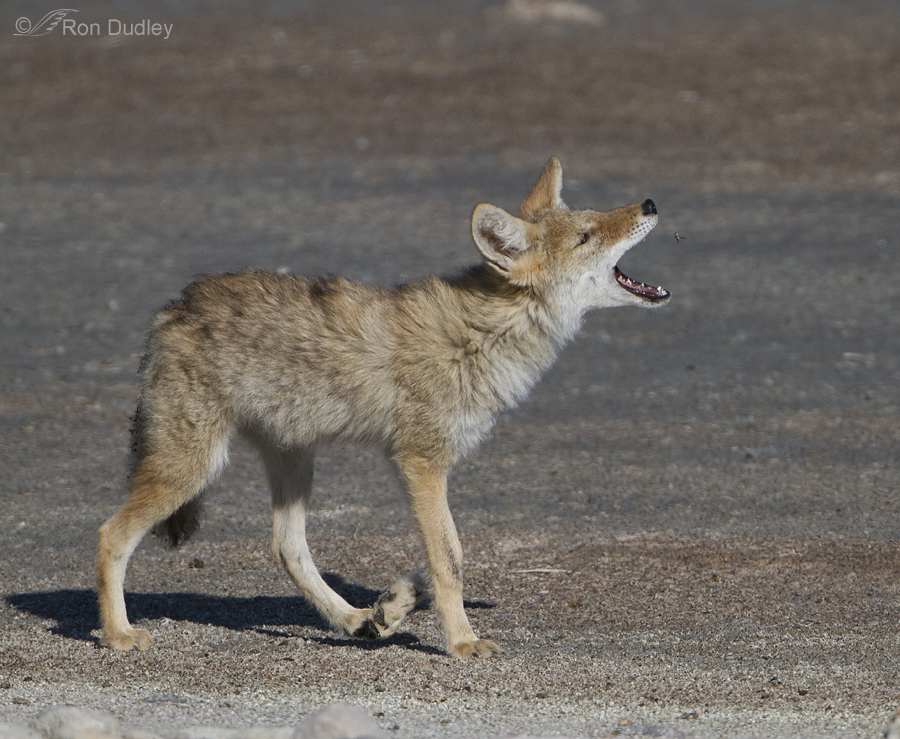
Late last week we encountered two coyotes walking east along the north side of the Antelope Island Causeway. One was a very light-colored adult and the other a slightly darker and smaller youngster. This summer has been a mighty survival struggle for the island’s coyotes – the vole populations crashed and the extreme heat and drought have taken their toll. These two actually seemed forlorn and destitute in both posture and demeanor as they walked the shore of the causeway. But they did show me several interesting behaviors that I was able to photograph.

Continue reading

What’s Happening To Our Kestrels?

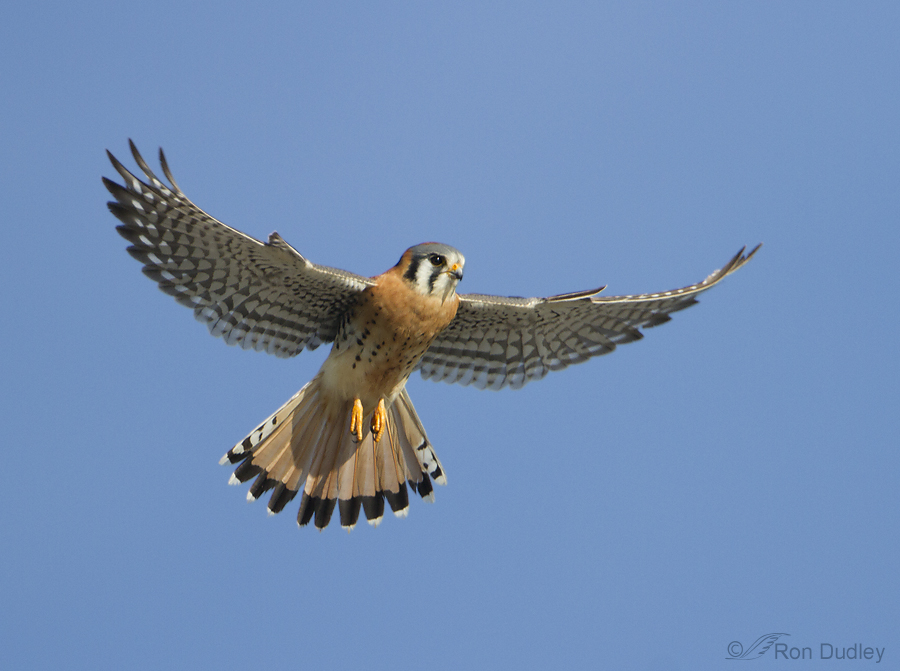
Recently I’ve been reading some disturbing reports about the decline of the American Kestrel in North America. And I’m talking about a drastic decline! I’ve speculated about just that in a previous post, based on my own recent observations in northern Utah but I’ve been hoping that what I’ve noticed is only a local and temporary phenomenon. Apparently it isn’t.

Continue reading

Odd Growths On The Face Of A Pronghorn

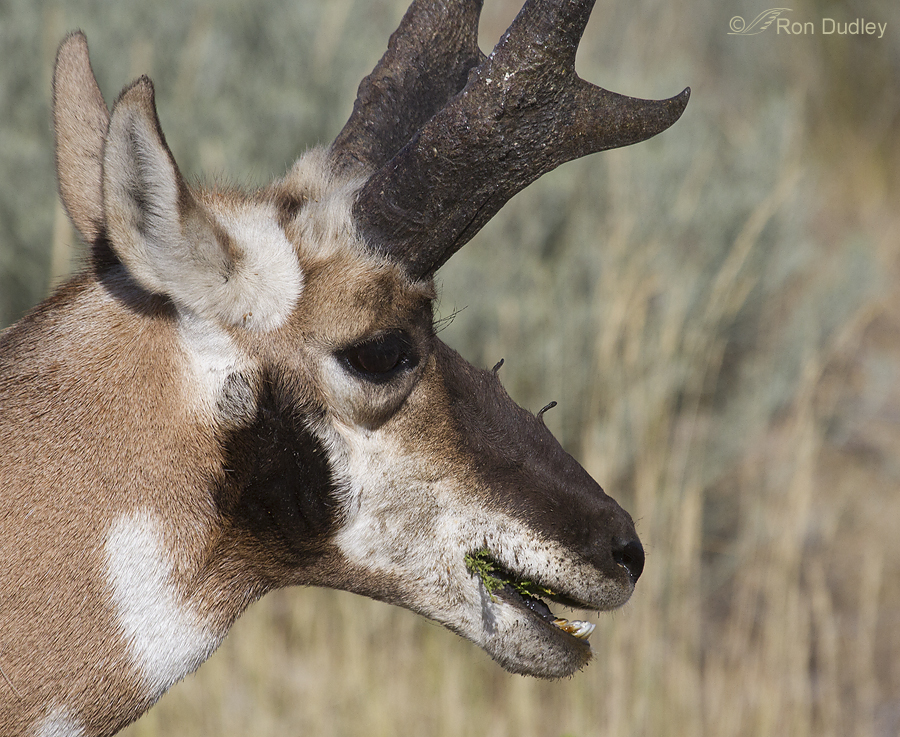
Earlier this month we encountered an unusual male Pronghorn on Antelope Island. Close inspection through our lenses revealed something that caught our attention – this animal had two strange-looking projections apparently growing out of the top of its muzzle. .

Continue reading

Swainson’s Hawk Optical Illusion

Each time I look at this image, at first the wing above the head appears to be the birds right wing on the far side of the body. But then a few seconds later my brain tells me that’s impossible because the lower wing is obviously the right wing and it’s impossible (or at least highly unlikely) for the hawk to have two right wings.

Continue reading