Barn Owl In Flight – An Image That Deserved A Second Chance
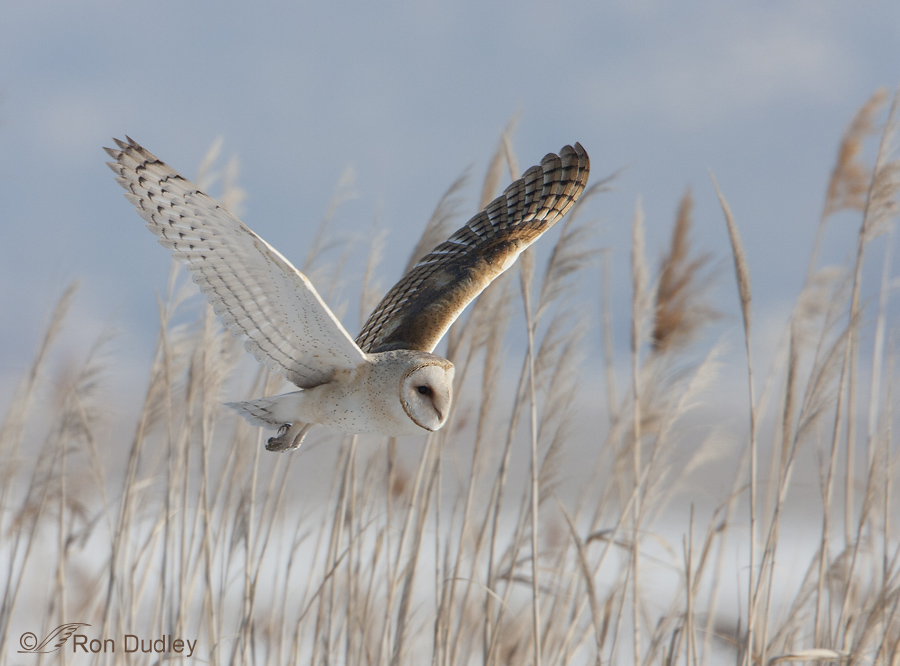
It’s easy to miss the potential of a photo when viewing it full frame. This image makes me wonder how many diamonds in the rough I’ve deleted over the years…

It’s easy to miss the potential of a photo when viewing it full frame. This image makes me wonder how many diamonds in the rough I’ve deleted over the years…
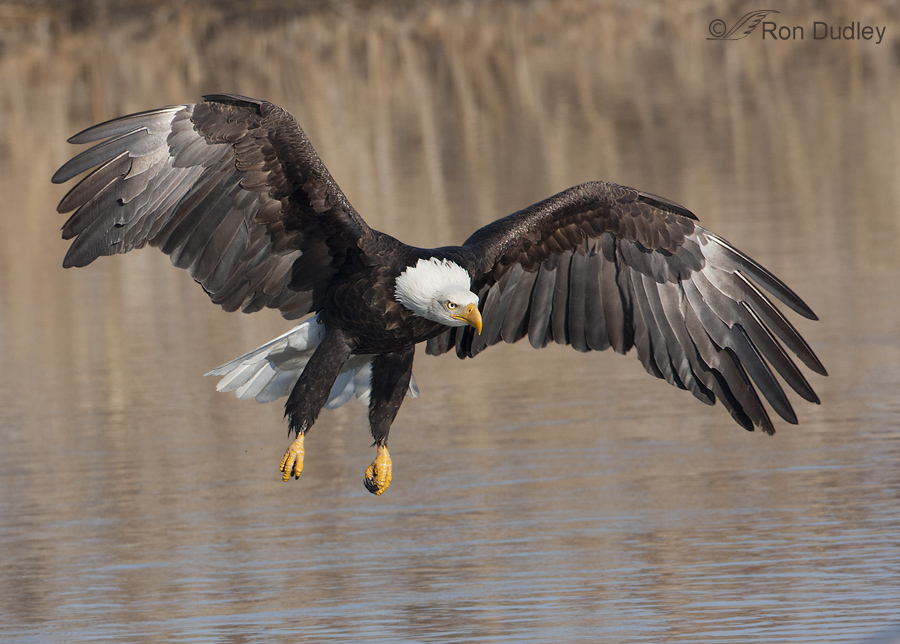
The concentration of a raptor on landing is nearly always intense. Throw an impending fight into the mix and that intensity becomes almost palpable.
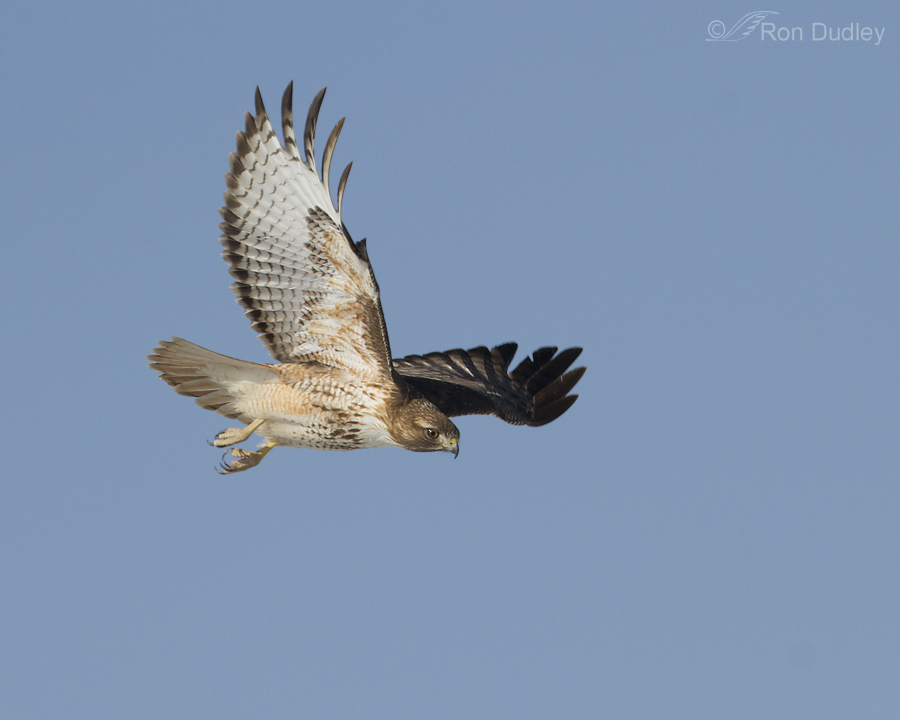
This is a simple example of how changing the crop of a photograph can drastically alter one’s perspective on the image.
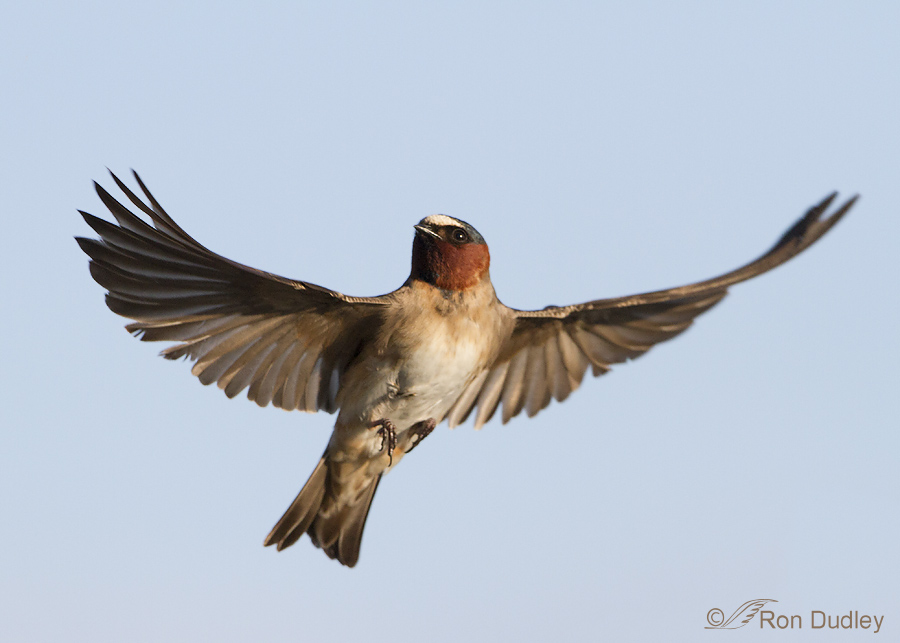
Swallow flight shots may be my most challenging subject overall. Their flight patterns are fast and erratic and it’s very difficult to get light under their wings.
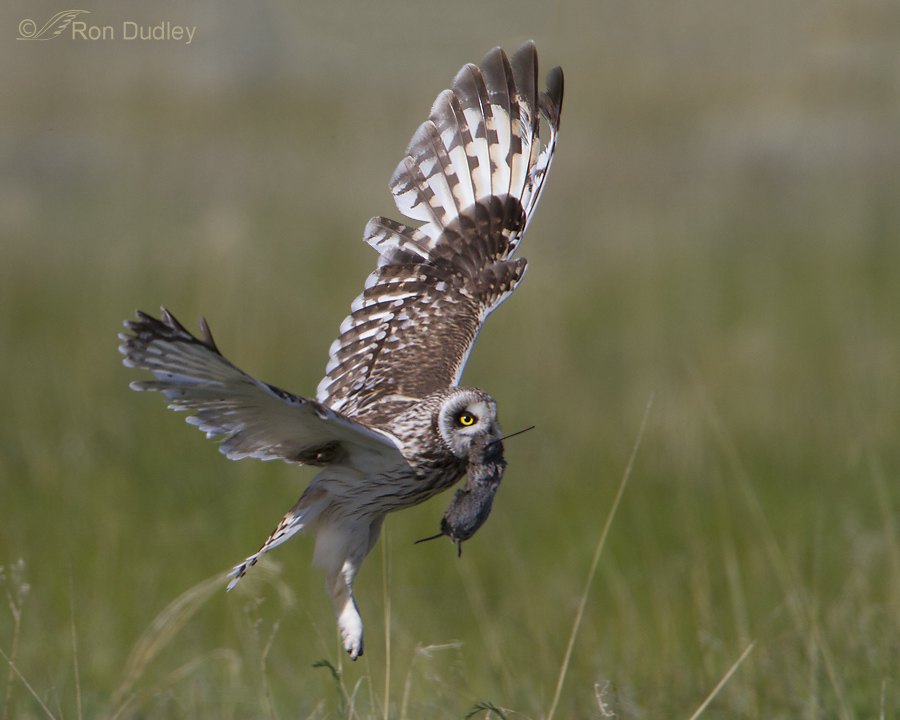
Most adult voles I see are about the same size but occasionally I notice one that appears to have been on an extended steroid regimen. Perhaps they’re not voles at all…?
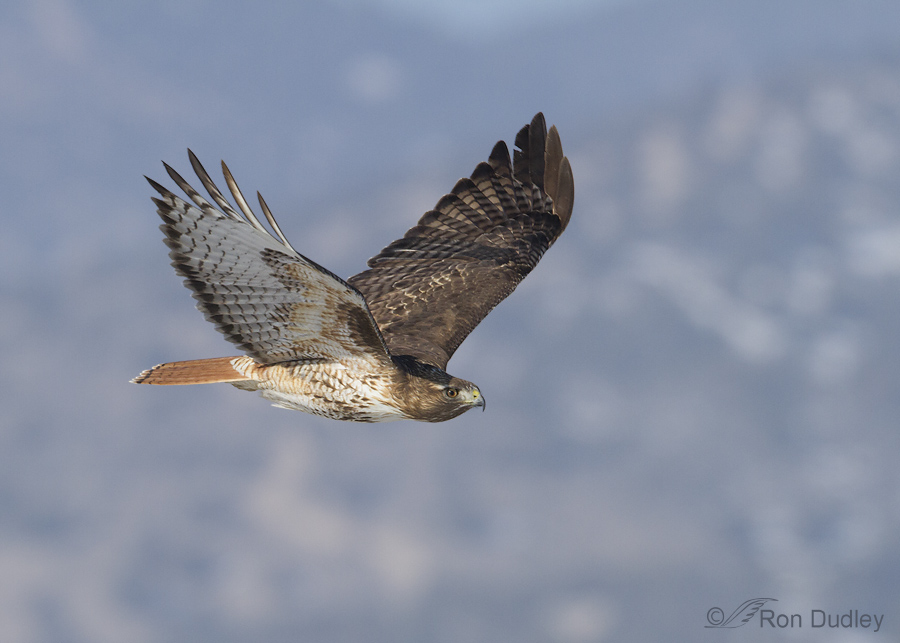
I like the backgrounds provided by western mountains for birds in flight but as I’ve said previously backdrops with texture make it more difficult to get sharp focus lock on the bird.
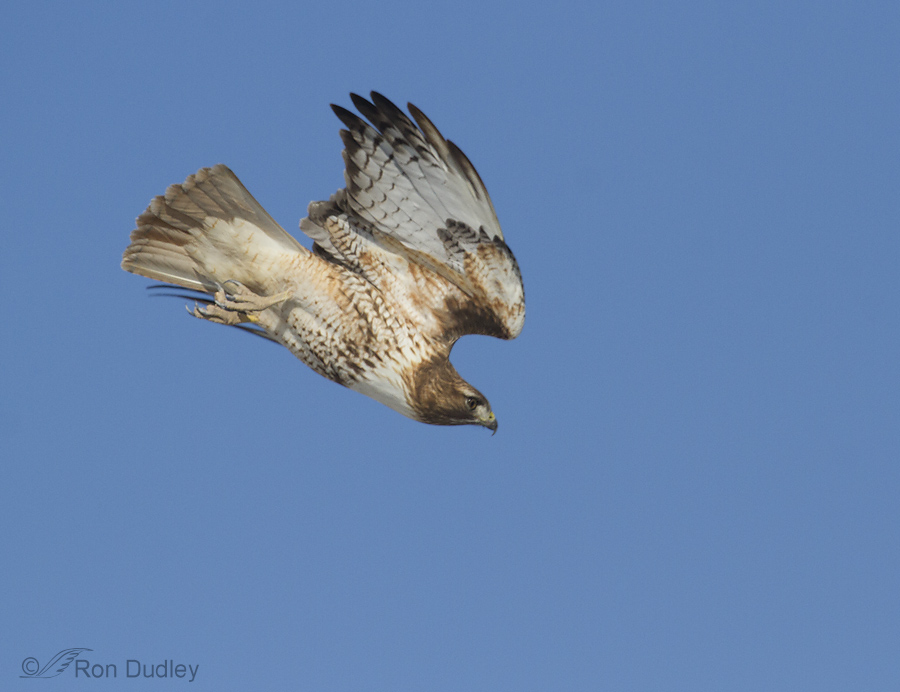
When a raptor dives on prey from an elevated perch one has the opportunity for fairly dramatic flight shots because of the angle of attack and wing position.
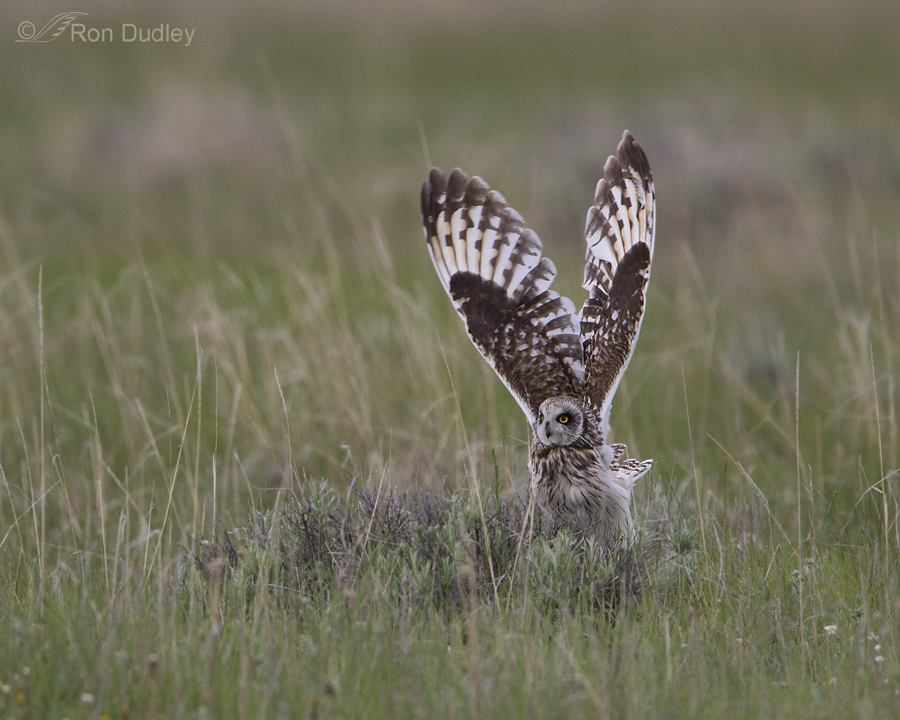
Short-eared Owls are a favorite subject of mine and I particularly enjoy flight sequences that highlight habitat.
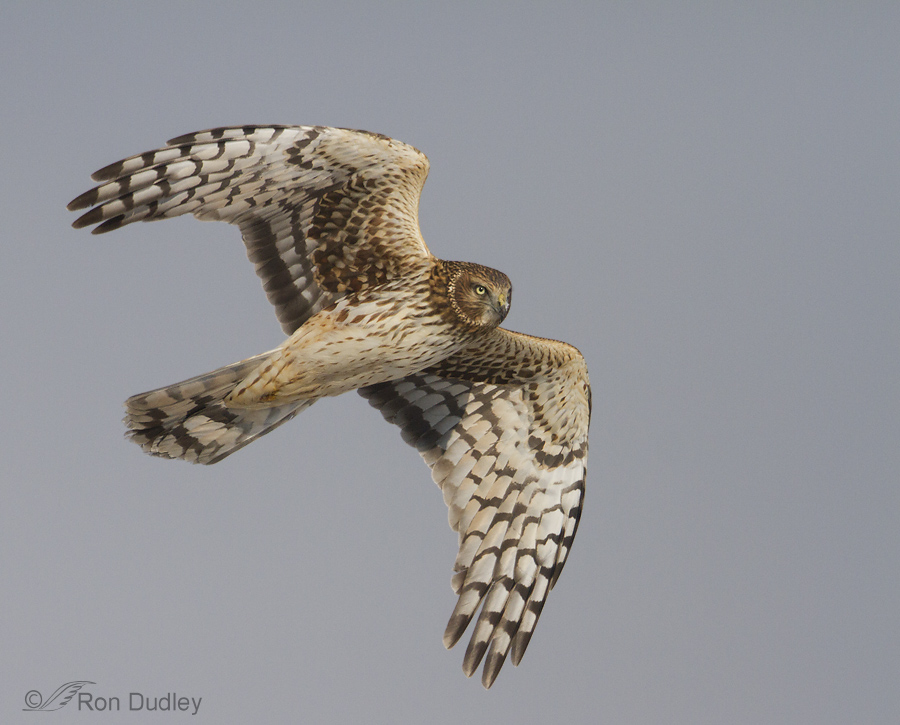
Usually when I photograph Northern Harriers they are my intended goal. Yesterday morning this bird was an exception as it caught me completely unprepared.
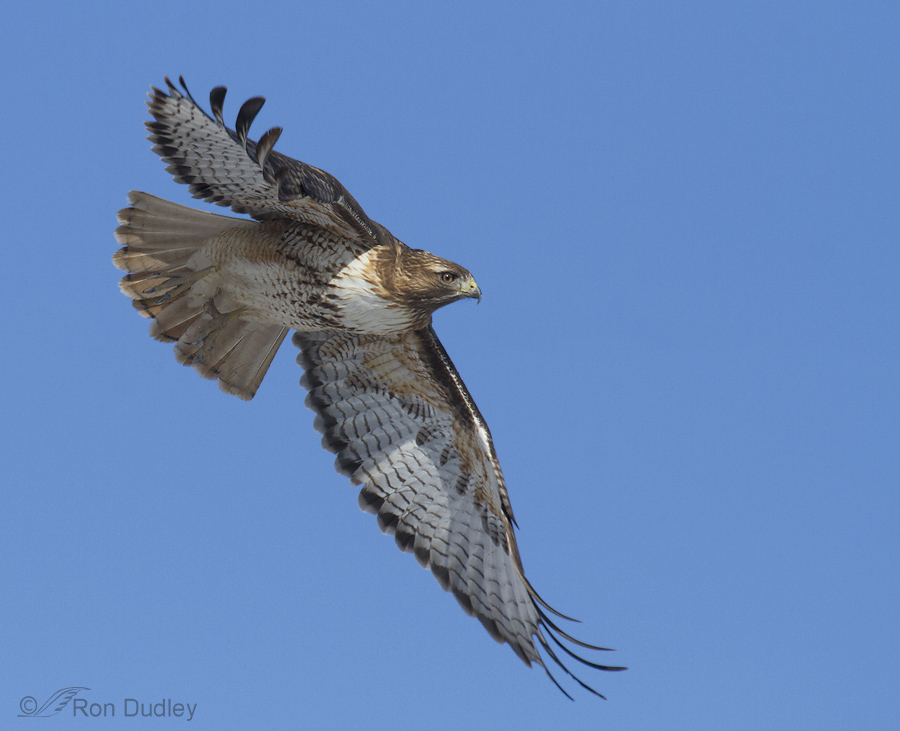
Yesterday morning I had a great time photographing an adult Red-tailed Hawk in northern Utah County as it hunted rodents from power poles. The experience was both rewarding and frustrating as I’ll explain.
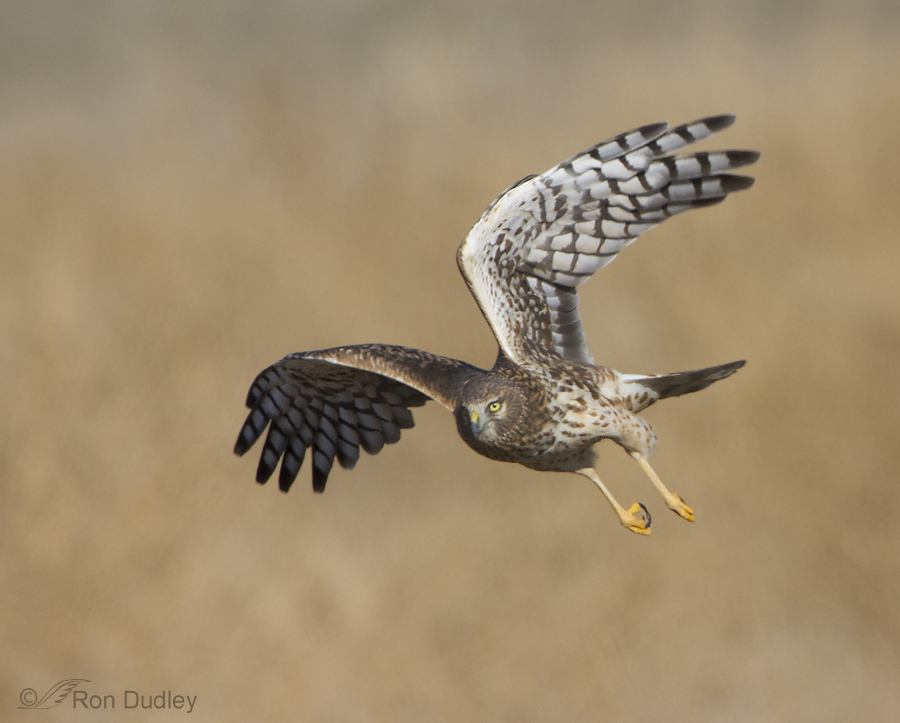
Harriers have been a common subject for me over the years so I don’t often notice something new about them. Recently I did and the following three photos illustrate my point.
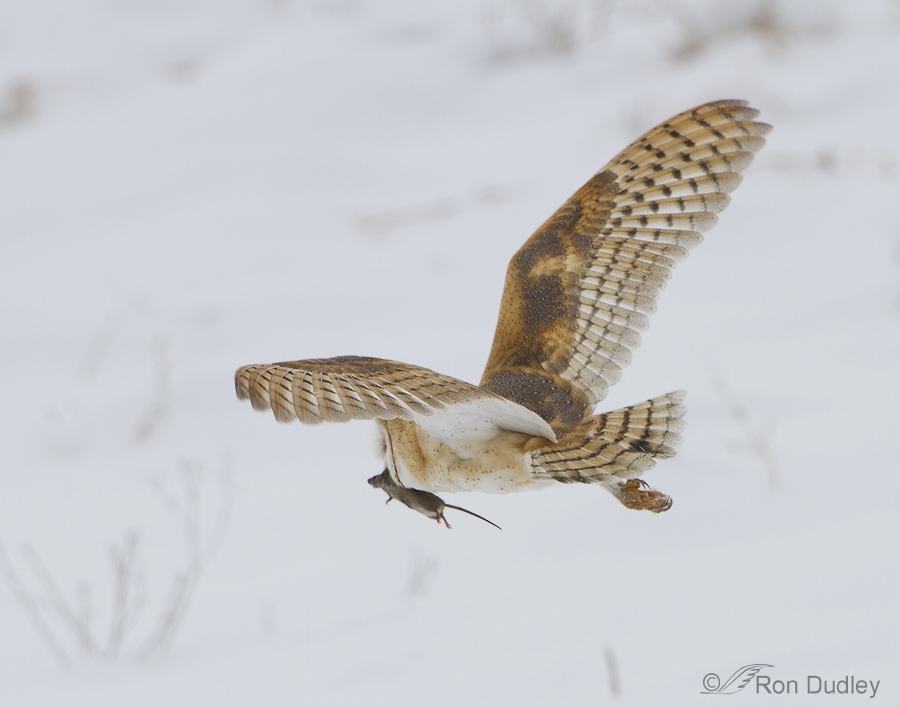
In previous posts of this male Barn Owl I mentioned that he had good hunting success while I was with him. Here’s evidence of that fact – three butt-shots in flight with prey.
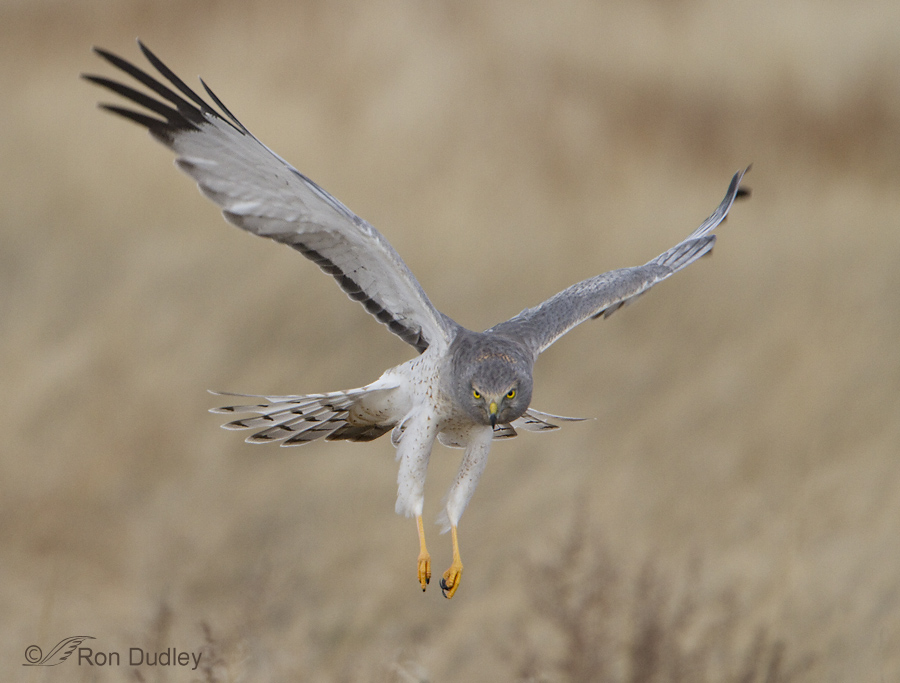
Male Northern Harriers in flight have always been one of my favorite subjects. Throw in a menacing stare from those lemon-yellow eyes and you have every chance for an image that holds your attention.
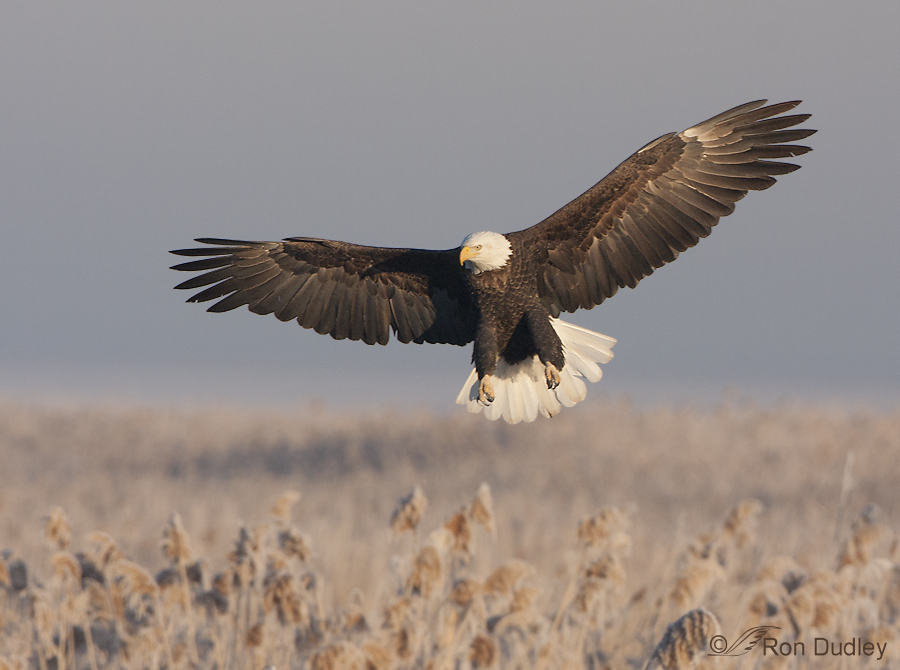
I drifted to sleep last night thinking about Bald Eagles, their majesty and their recent vulnerability. It’s almost “the season” for them in Utah and there’s a new threat on the horizon so I knew this mornings post would be about them.