Rough-legged Hawk Flying Into The Wind
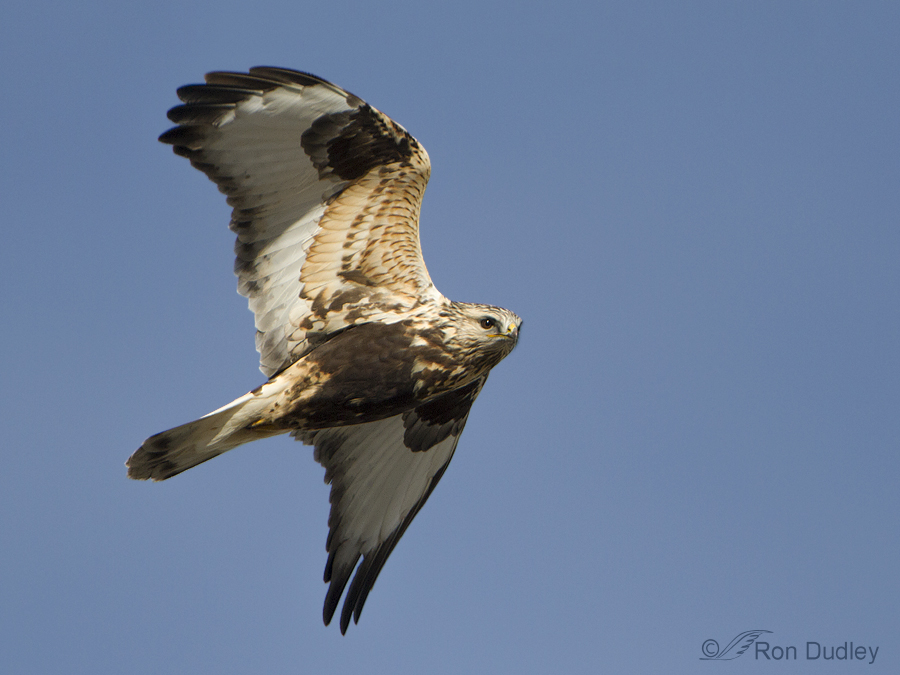
Yesterday morning I was able to get my first decent Rough-legged Hawk images of the season. It’s a good thing too because this was the only cooperative bird I found all morning.

Yesterday morning I was able to get my first decent Rough-legged Hawk images of the season. It’s a good thing too because this was the only cooperative bird I found all morning.
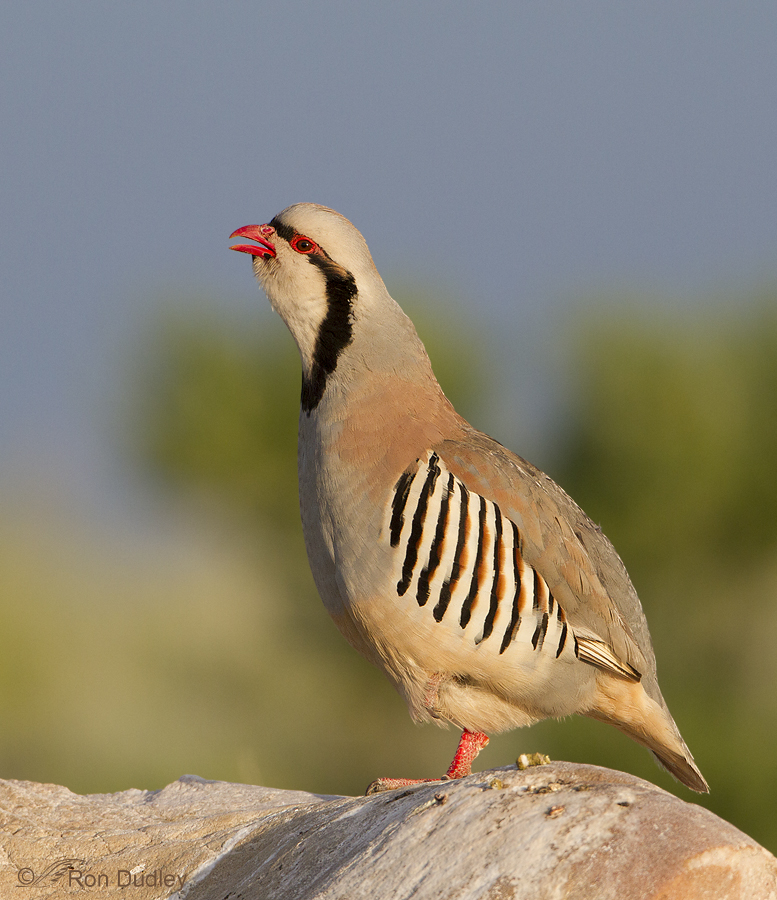
Chukars continue to be one of my preferred subjects during the winter and spring due to their distinctive and colorful plumage and their often comical behavior. They are abundant on Antelope Island and even somewhat approachable there – at least in comparison to their skittish and wily ways elsewhere (hunters consider them to be among the most challenging of upland game species).
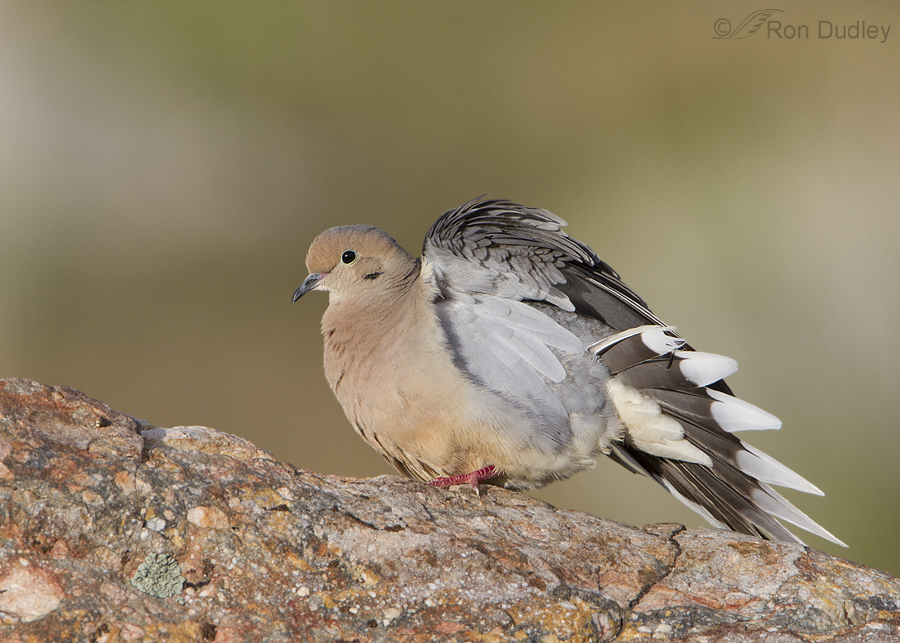
As a bird photographer I continually struggle with the tendency to ignore the more common species. This is a bad habit I’ve tried to break over the years but my success has been limited so I still too often pass on opportunities with species like the American Robin, House Finch, American Coot and Mourning Dove. Many fellow photographers have the same tendency and I think we miss some wonderful shots as a result.
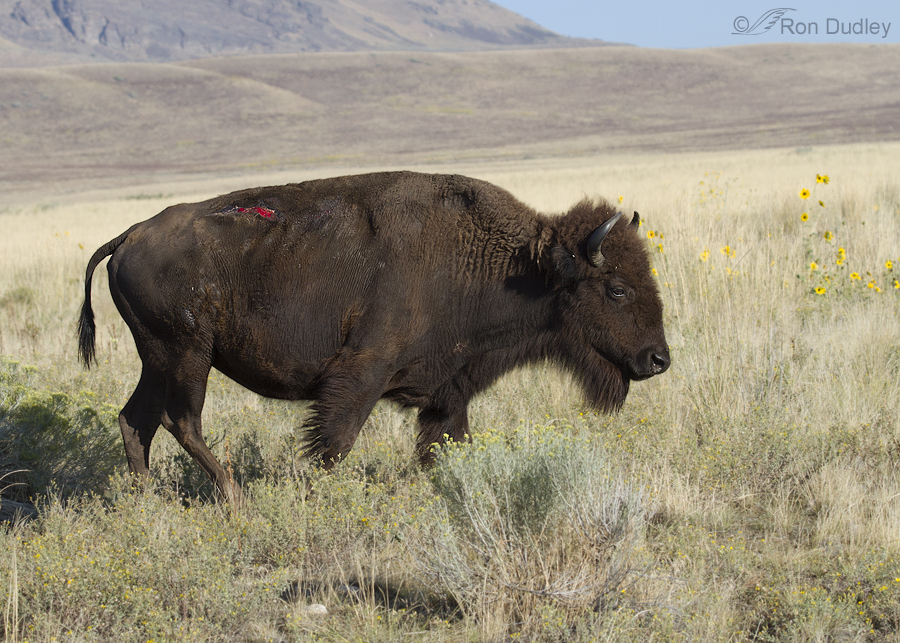
Life is far from a bowl of cherries for the Bison of Antelope Island and recently I’ve seen more evidence of that fact. Some of it is caused by natural behavior, some by unfortunate circumstance and some by the thoughtlessness and ignorance of humans.
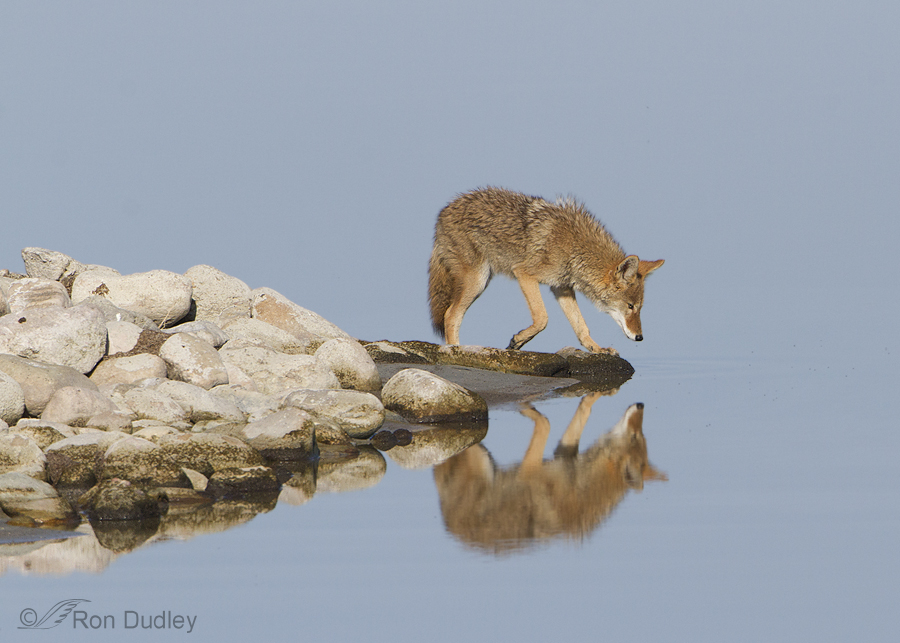
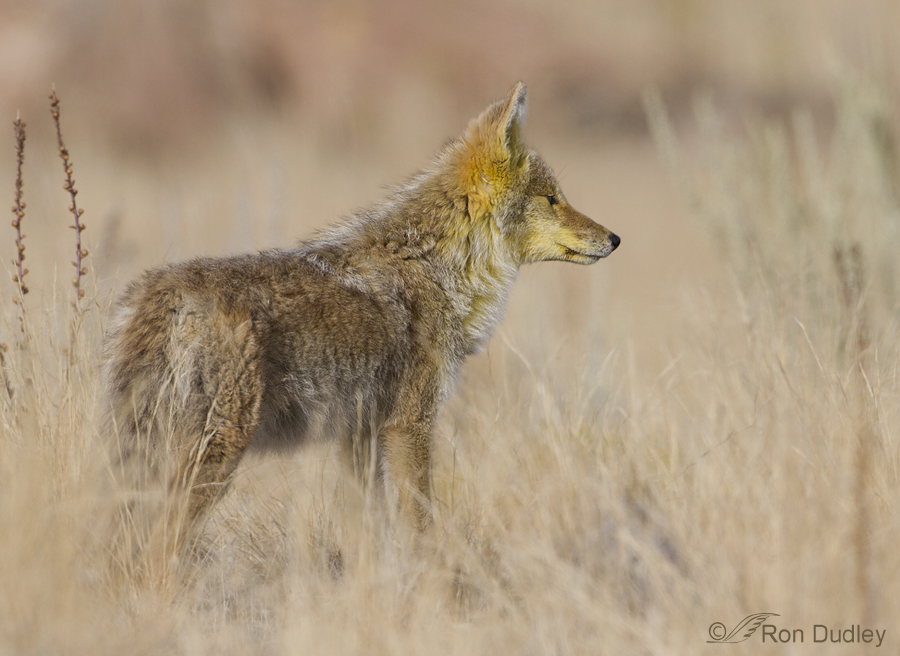
Two days ago we found this coyote exploring along the Antelope Island causeway. We watched it gnaw on a duck or shorebird carcass (possibly falcon leftovers, based on past experience) and then it continued to look for something, almost anything, to eat. When it reached the end of a rocky spit jutting out into the Great Salt Lake it entertained us with some interesting behavior.
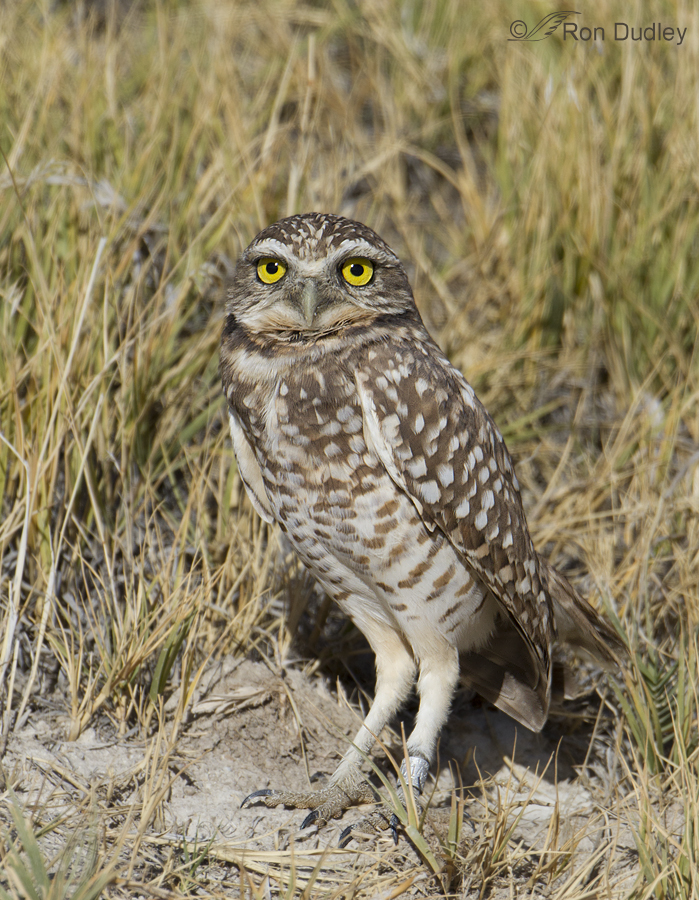
It’s been a tough summer for me with Burrowing Owls. Normally I spend a lot of time photographing them but this year they’ve been mostly uncooperative to the extreme – too skittish, too far away, too buried in vegetation and too scarce.
But I had a pleasant surprise two days ago on Antelope Island.
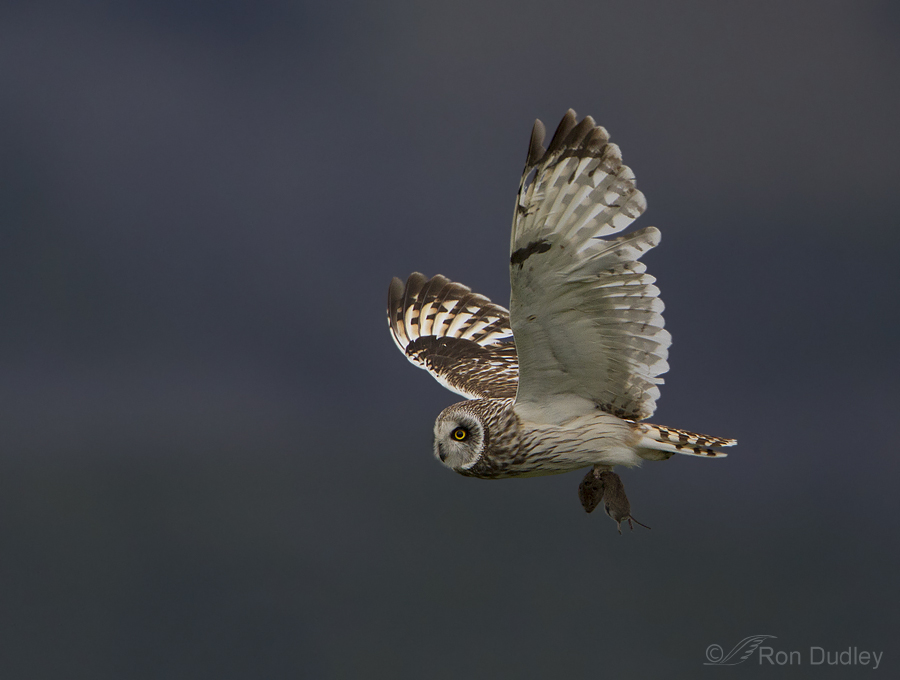
Though Short-eared Owls are one of the worlds most widespread owls, the species is highly dependent on the density of its small mammal prey, voles in particular. Since vole populations fluctuate wildly, Short-eared Owls show significant local variation in numbers and reproductive success from year to year.
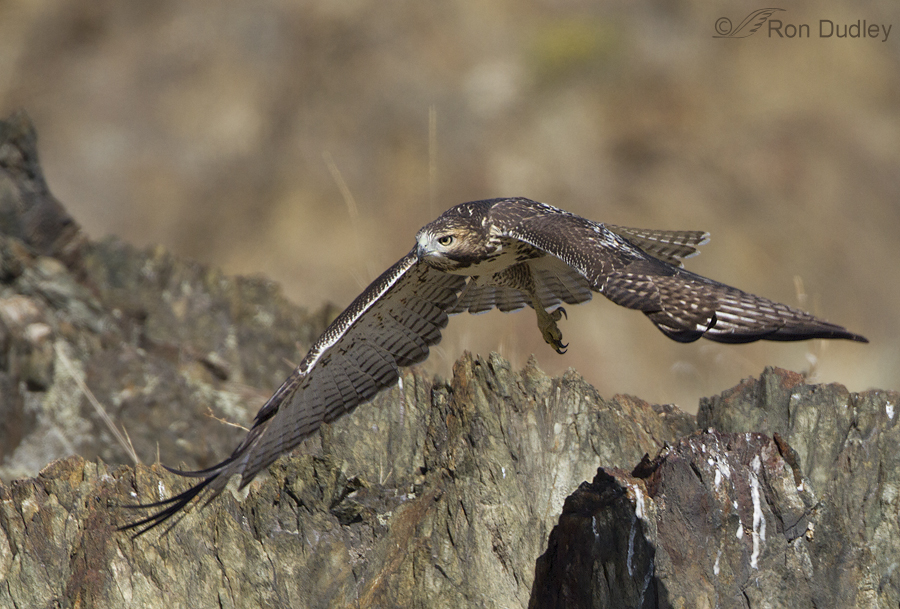
Red-tailed Hawks in North America are “sit and wait predators” who do most of their hunting (60 – 80%) from elevated perches. Though they do hunt from the air, that is not their primary hunting style. In fact, availability of elevated perches is a key factor in determining their foraging distribution.
Antelope Island is largely treeless and without power poles so Red-tails tend to be found in specific locations on the island where elevated natural perches are available. One of their favorite foraging spots is an area where there are large outcroppings of Farmington Canyon Complex rocks jutting out from the side of a small mountain, which is where I found this bird hunting voles
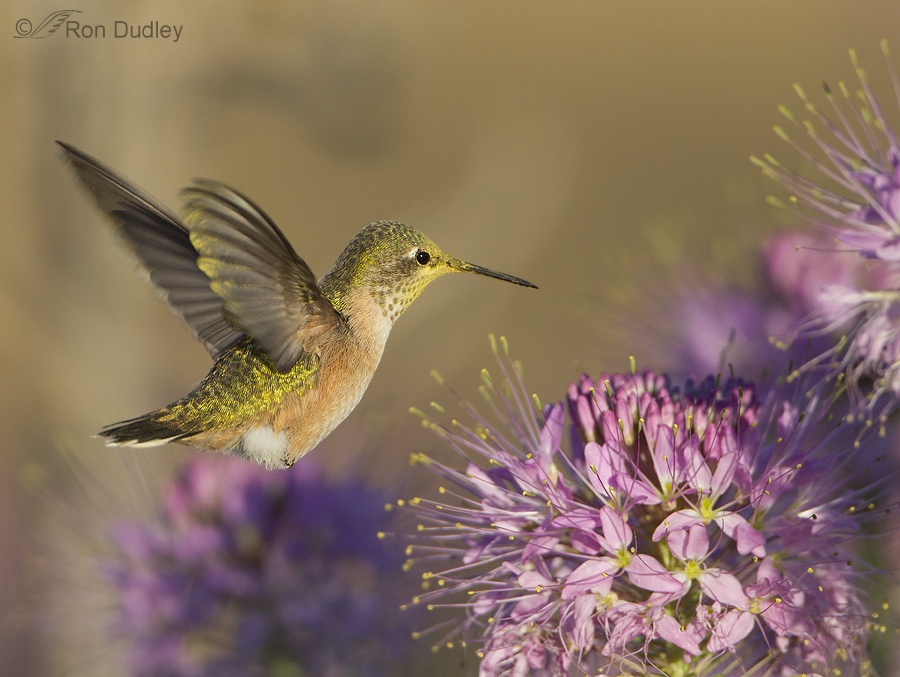
Last night a local birder reported a Black-chinned Hummingbird in his back yard here in the Salt Lake Valley and I was quite surprised to hear about it. I haven’t seen a hummingbird for several weeks and I thought that by now, with our significantly colder weather of late, they’d have all moved on for warmer climes. That particular bird must be a hardy one. Or lost…
But the news reminded me that before the snow flies I planned on posting a few more images of the hummers I photographed on Antelope Island several weeks ago.
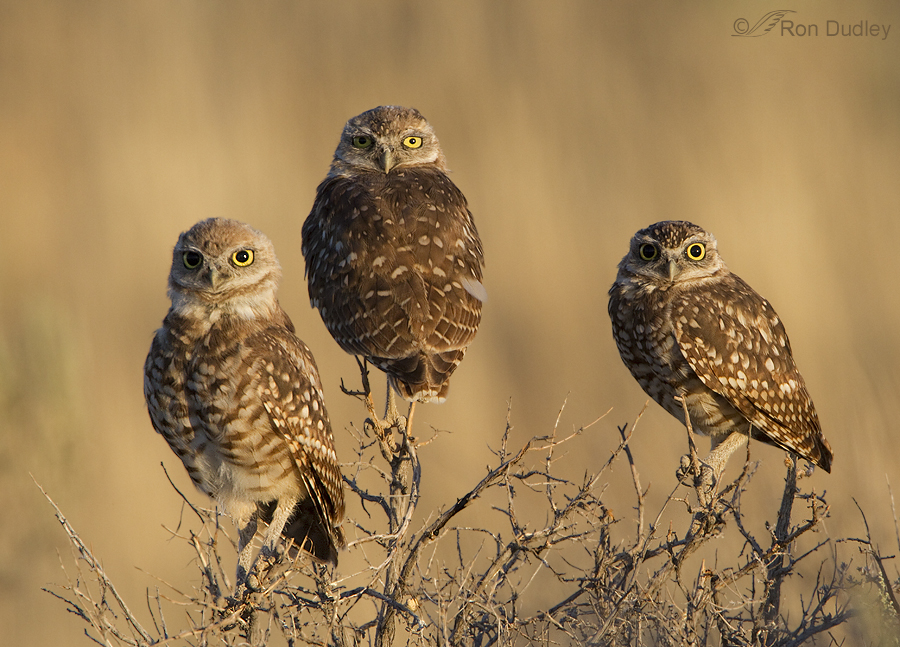
I’d been photographing a family of these birds for several weeks but typical of the species they were usually on the ground with obstructing vegetation in front of them or buried too deeply in the sagebrush. But as I approached them on this early August morning (in my pickup, from the road) there were two juveniles and one adult perched high on the sagebrush in nice warm light and there was a clean, pleasing background. My little heart went pit-a-pat at the opportunity but then I had to deal with the harsh reality of depth of field.
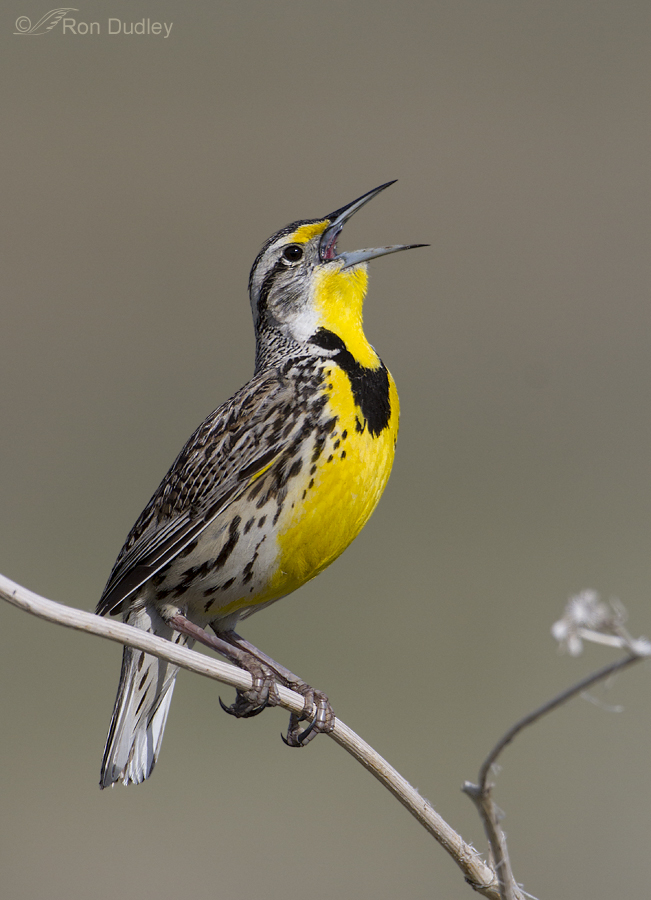
Yesterday morning I photographed a juvenile Western Meadowlark on Antelope Island. I have few images of them at that stage of development so I couldn’t help comparing some of the differences between adult and juvenile.
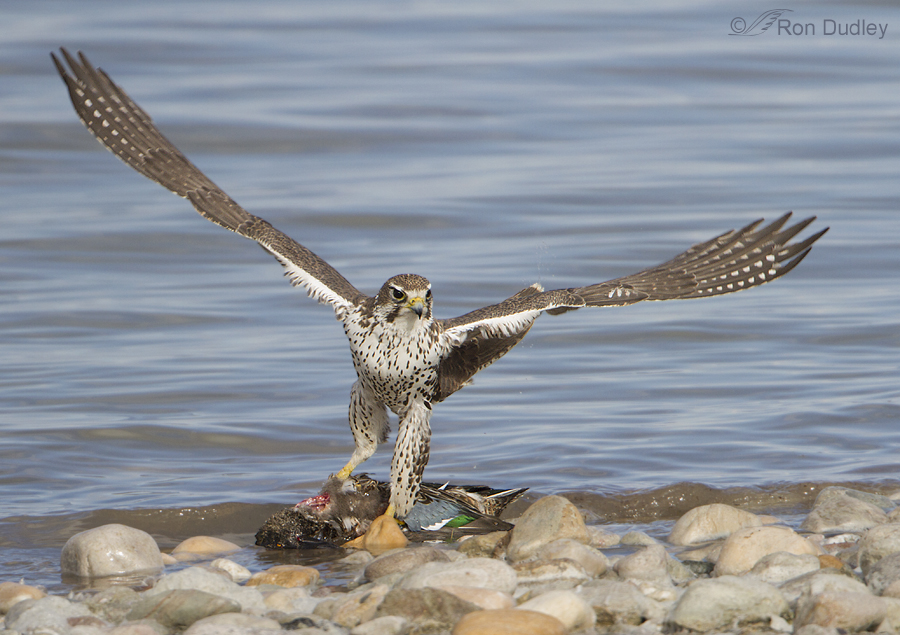
Some of you may recall that last November I photographed an amazing encounter between a Prairie Falcon and a hapless Northern Shoveler along the causeway to Antelope Island. These are photos of that experience that I haven’t posted before.
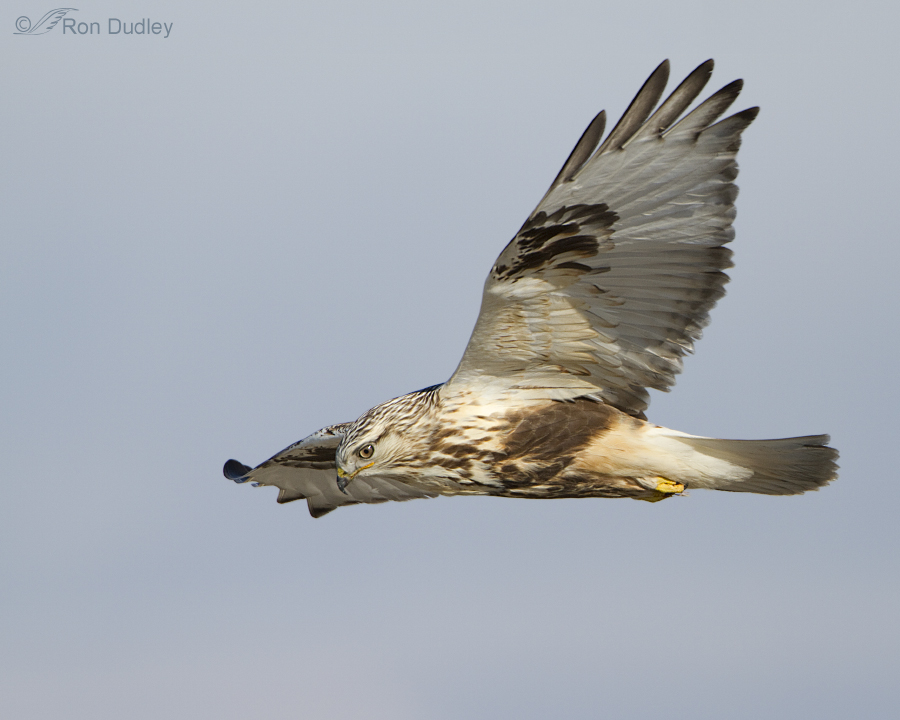
Early this morning, before leaving to look for birds on Antelope Island, I saw a Facebook post by my friend, bird aficionado and artist extraordinaire Bryce Robinson. It was a simple post, saying simply ” “I felt a change in the air today. The Roughies are coming…” and it was illustrated with one of his fine drawings – a portrait of a Rough-legged Hawk. The “change in the air” that Bryce was referring to was our first nippy cold morning after a long, hot summer and such changes always bring thoughts to mind of the return of the Rough-legged Hawk.
Then I spent the morning on the island looking in vain for birds (it’s very slow out there right now) so as I drove around my mind wandered regularly to thoughts of Roughies – inspired by Bryce’s post and the chilly temps (51 degrees on the causeway).
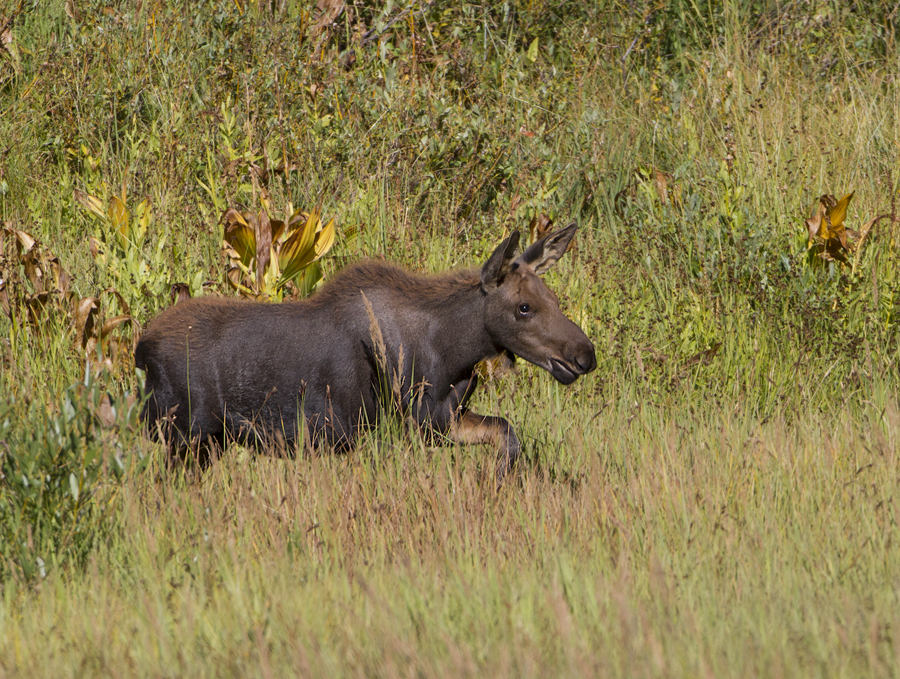
Last week we drove up to the top of Bountiful Peak in the Wasatch Mountains via Skyline Drive. The 25 mile (not including the side roads we took) loop road between Bountiful and Farmington is gravel, winding and narrow but the views of the valley below from elevations up to 9200 feet are spectacular and the wildlife and bird possibilities beckoned us. We mostly struck out with birds but had a great time with a momma moose and her calf at the edge of some ponds.