
Tag: american white pelican
American White Pelican – A Question Of Behavior
I’ve been perplexed and curious about something I watched this pelican do for over six years now. But the purpose I tentatively propose for the behavior I documented in these photos seems more than a little far fetched so I’ve never brought it up. Until now.
Trouble Looms For Utah’s American White Pelicans
American White Pelican On Landing Approach
I sometimes liken American White Pelicans to B–52 Stratofortresses – they often fly at great heights and they’re not very agile in flight but man are they ever impressive during landings.
American White Pelican Takeoff
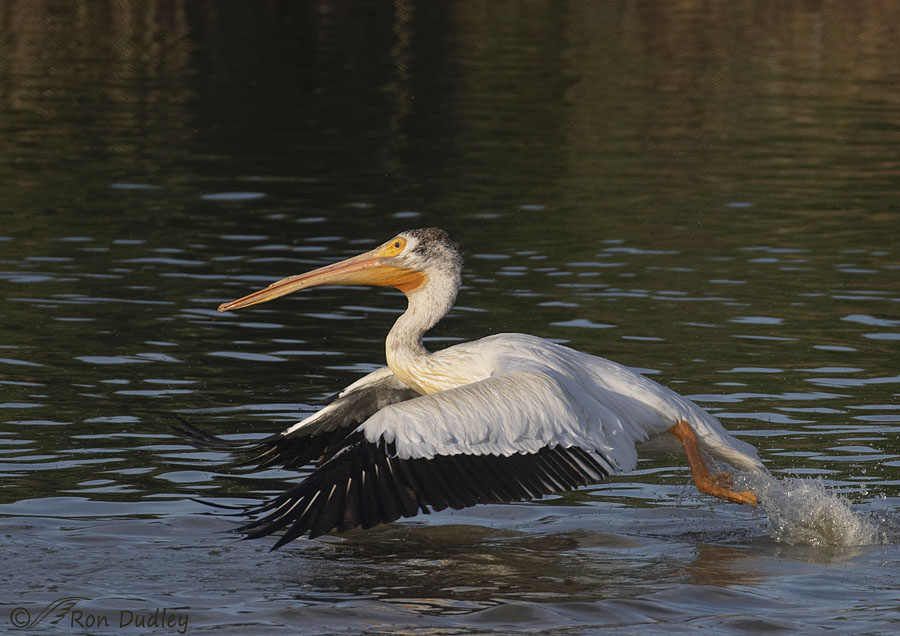
American White Pelicans are a species I should train my lens on more often. While they’re sitting on the water they often don’t make a very interesting subject but getting that huge 16 lb. body airborne is a real struggle so photos of them taking off have much more interest for many of us.
American White Pelican Counting Coup
Plus why I’m so enamored by the traditions and artifacts of the Plains Indians and their connections to our family farm (yes, I got a little carried away today…).
Cormorant Landing On Water (+ a related physics question)
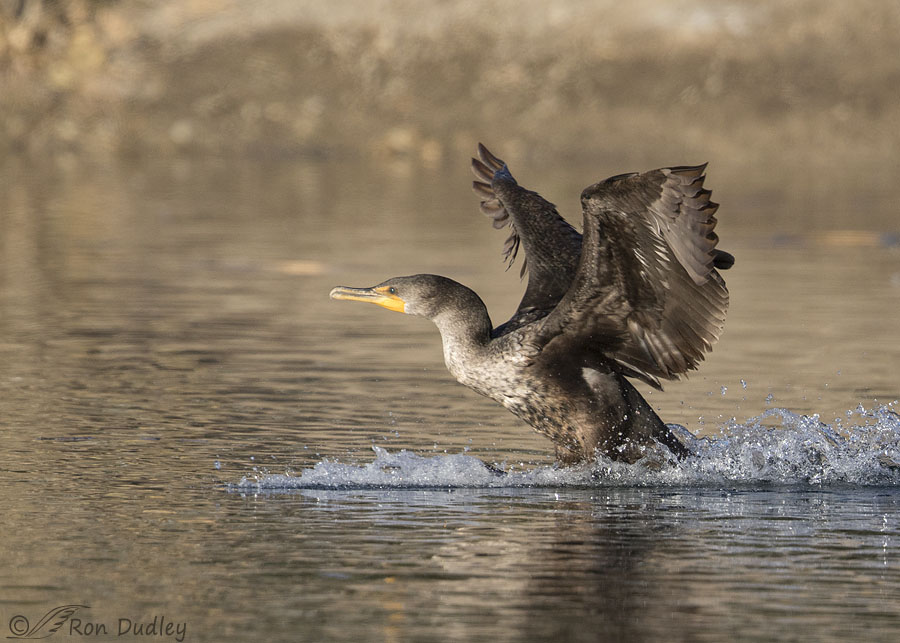
Sometimes I observe this phenomenon when birds land on water and other times I don’t. I believe it depends on the landing style of the bird but I’m trying to figure out how and why it happens.
A Potpourri Of Recent Birds And Critters
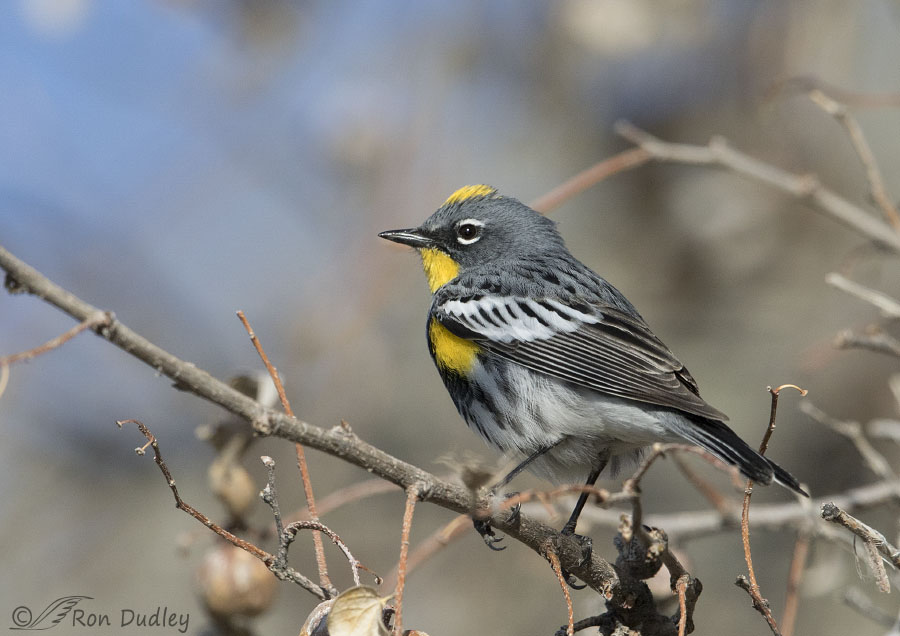
It’s been a while since I published a potpourri post so I figured it was about time. Each of the following 8 images was taken over the last 8 days in places like Bear River MBR, Antelope Island, Farmington Bay WMA or other favorite haunts of mine in northern Utah.
American White Pelican – A Takeoff Twice Aborted
Some Recent Birds (+ a rocket test… yes, really)
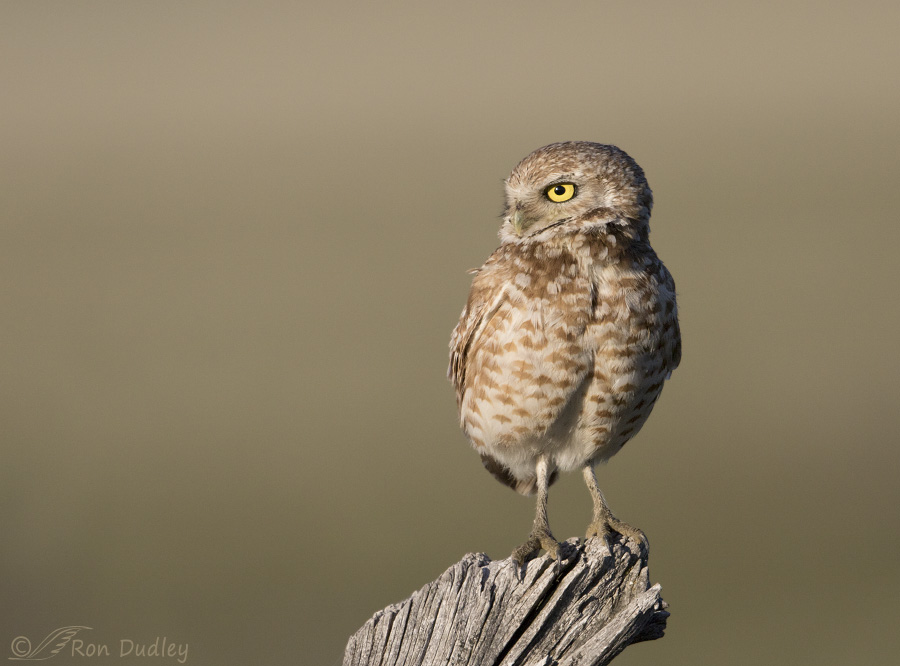
Occasionally I like to do a “potpourri post” featuring some of the recent birds I’ve photographed that have fallen through the cracks of my blog.
White Pelican In Flight Against A Mottled Sky
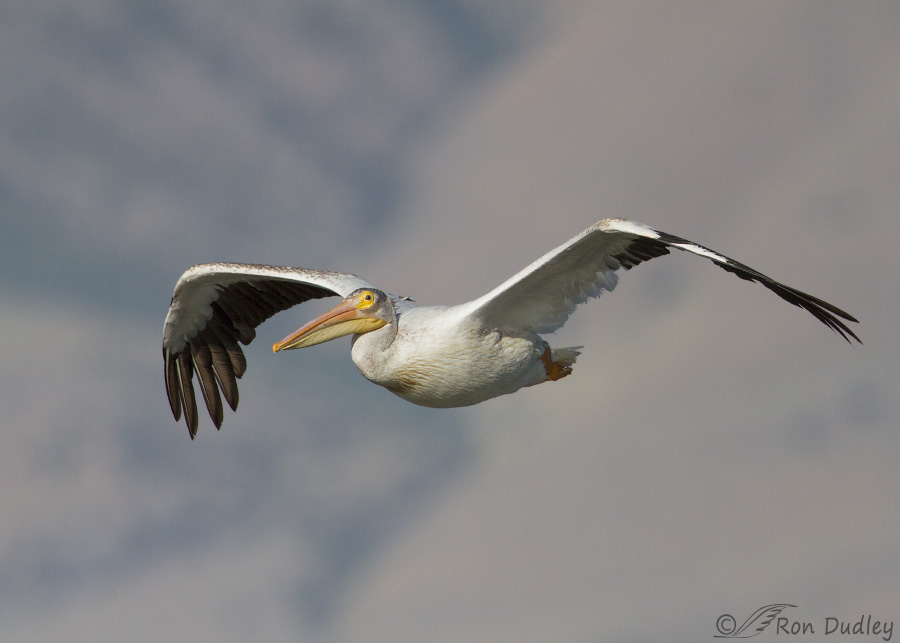
I often think of American White Pelicans as flying boats. They’re huge and ungainly looking on land but in flight they’re ever so graceful.
White Pelican With Perfect Aim And Timing
A Pelican Landing Among Friends (and yesterday’s debacle in Box Elder County)
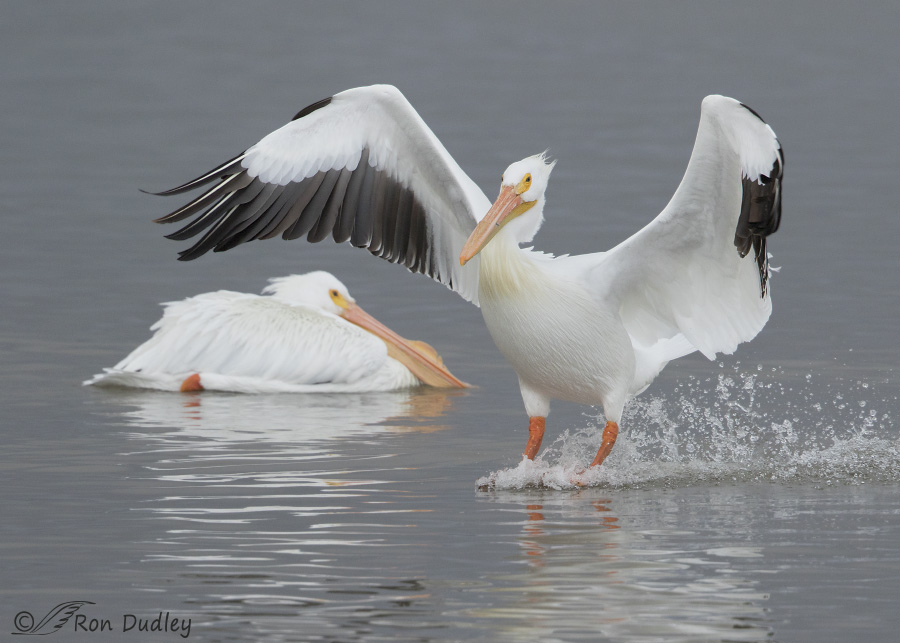
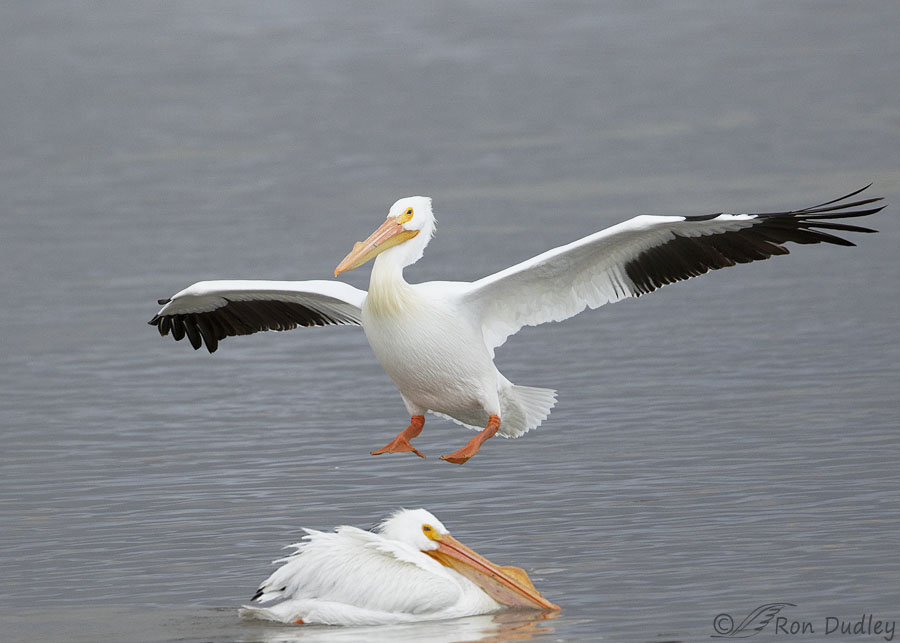
I rarely appreciate “accidental” birds in my photos competing with the primary subject. But there are exceptions and it happened twice with this landing American White Pelican.
Saying Goodbye To Farmington And Pelicans In An Approaching Storm
Pelicans Flying Tandem
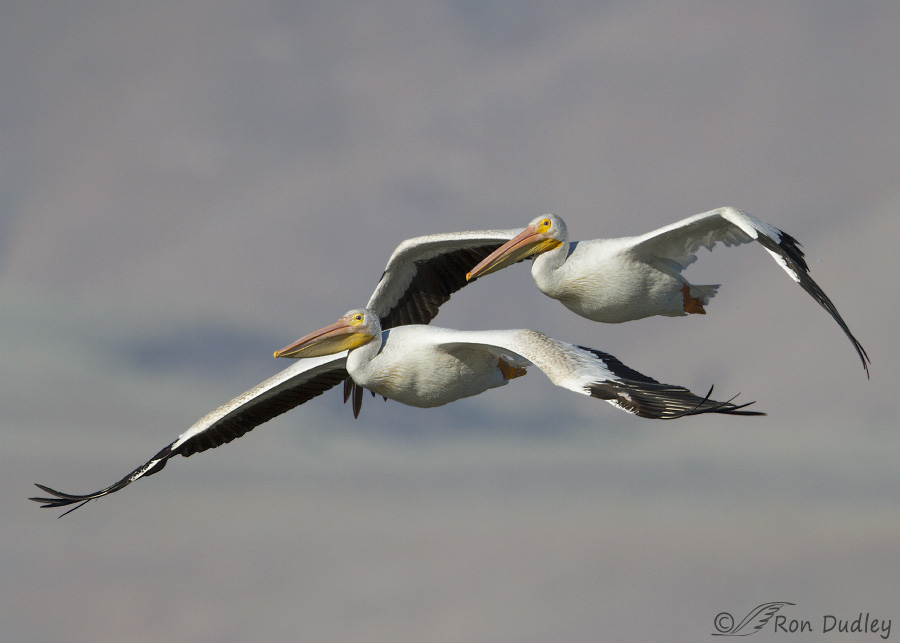
Big, lumbering pelicans don’t provide many dynamic flight postures so having two or more birds in the frame can increase your chances of getting something else that the viewer finds visually appealing.
-

American White Pelican – A Question Of Behavior
I’ve been perplexed and curious about something I watched this pelican do for over six years now. But the purpose I tentatively propose for the behavior I documented in these photos seems more than a little far fetched so I’ve never brought it up. Until now.
Trouble Looms For Utah’s American White Pelicans
American White Pelican On Landing Approach
I sometimes liken American White Pelicans to B–52 Stratofortresses – they often fly at great heights and they’re not very agile in flight but man are they ever impressive during landings.
American White Pelican Takeoff
American White Pelicans are a species I should train my lens on more often. While they’re sitting on the water they often don’t make a very interesting subject but getting that huge 16 lb. body airborne is a real struggle so photos of them taking off have much more interest for many of us.
American White Pelican Counting Coup
Plus why I’m so enamored by the traditions and artifacts of the Plains Indians and their connections to our family farm (yes, I got a little carried away today…).
Cormorant Landing On Water (+ a related physics question)
Sometimes I observe this phenomenon when birds land on water and other times I don’t. I believe it depends on the landing style of the bird but I’m trying to figure out how and why it happens.
A Potpourri Of Recent Birds And Critters
It’s been a while since I published a potpourri post so I figured it was about time. Each of the following 8 images was taken over the last 8 days in places like Bear River MBR, Antelope Island, Farmington Bay WMA or other favorite haunts of mine in northern Utah.
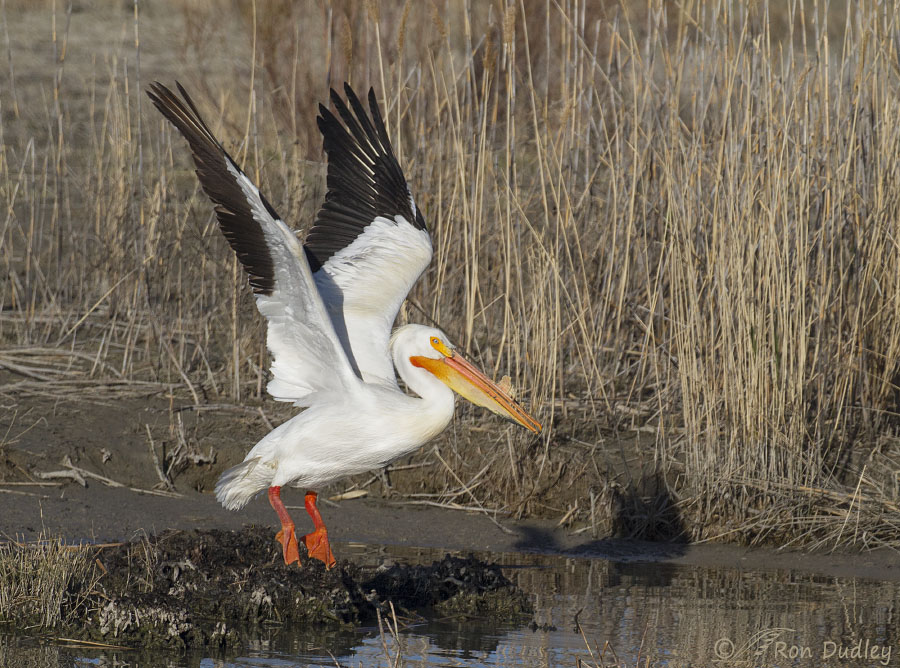
American White Pelican – A Takeoff Twice Aborted
Some Recent Birds (+ a rocket test… yes, really)
Occasionally I like to do a “potpourri post” featuring some of the recent birds I’ve photographed that have fallen through the cracks of my blog.
White Pelican In Flight Against A Mottled Sky
I often think of American White Pelicans as flying boats. They’re huge and ungainly looking on land but in flight they’re ever so graceful.
White Pelican With Perfect Aim And Timing
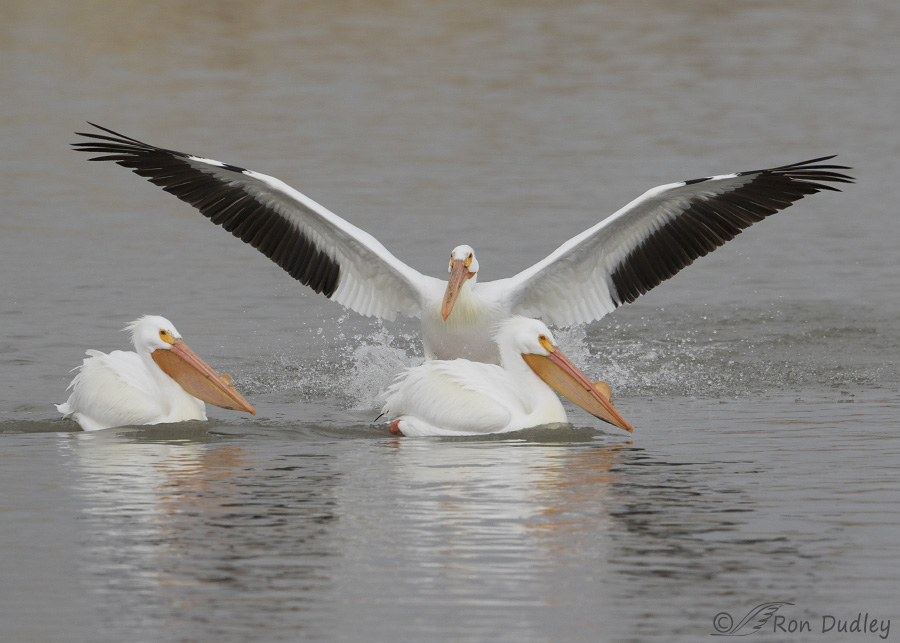
A Pelican Landing Among Friends (and yesterday’s debacle in Box Elder County)
I rarely appreciate “accidental” birds in my photos competing with the primary subject. But there are exceptions and it happened twice with this landing American White Pelican.
Saying Goodbye To Farmington And Pelicans In An Approaching Storm
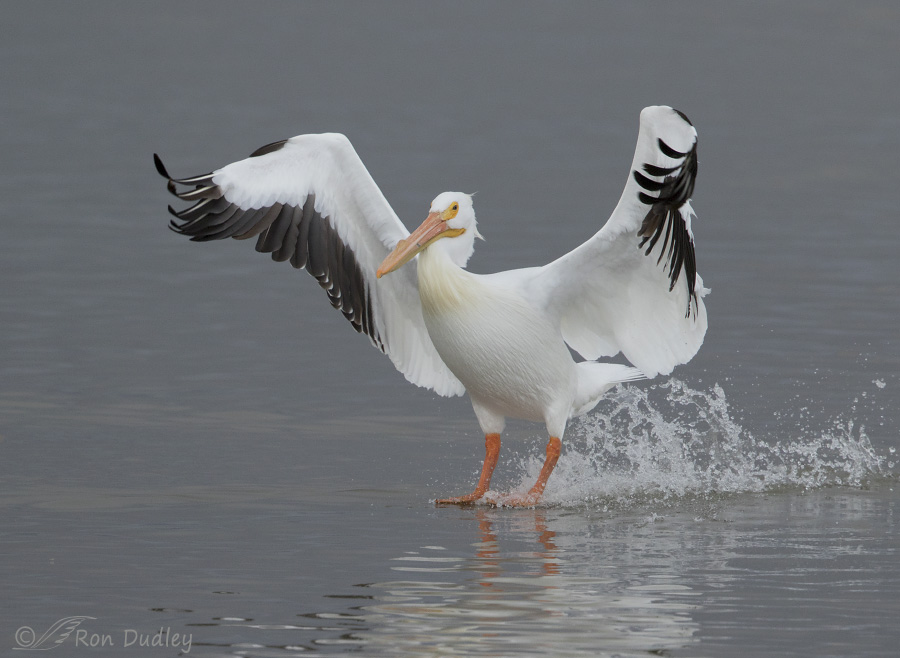
Pelicans Flying Tandem
Big, lumbering pelicans don’t provide many dynamic flight postures so having two or more birds in the frame can increase your chances of getting something else that the viewer finds visually appealing.