Short-eared Owls And The “Handedness Phenomenon”
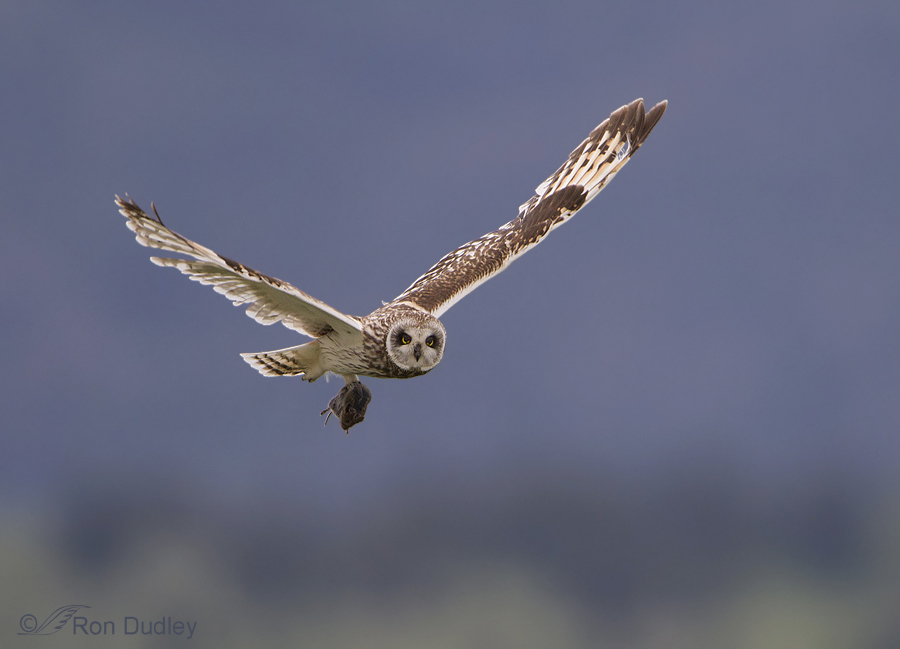
Handedness is a preference for using one hand (or limb) as opposed to the other. It’s a phenomenon many of us associate strictly with humans but other vertebrates can also show handedness, including birds. For example, many parrot species have a strong and consistent preference for using their left foot when bringing food to the beak.

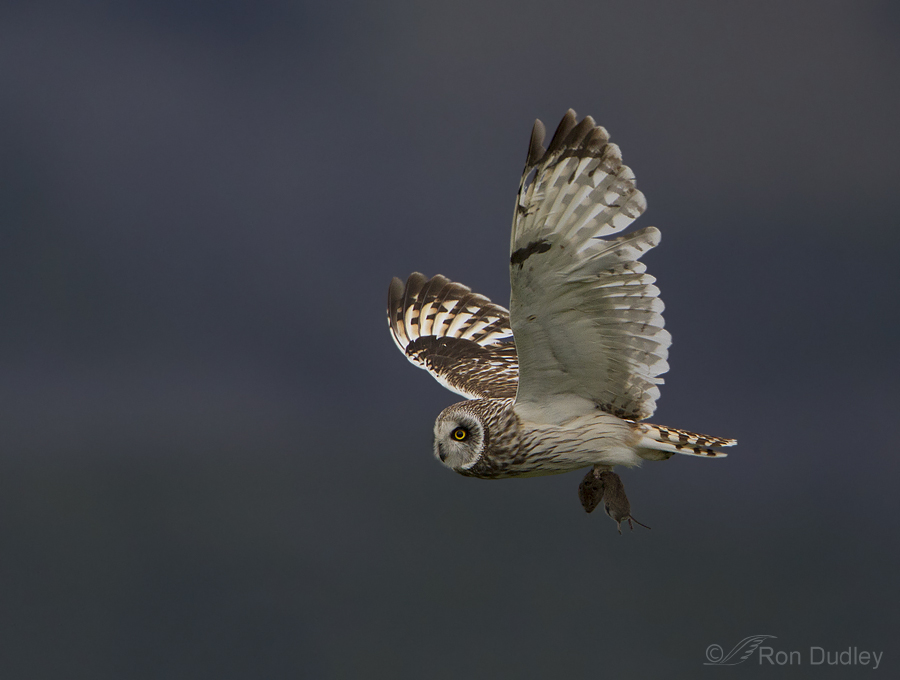
Based on my own observations in the field I believe that Short-eared Owls may also display handedness.
Continue reading

The Interdependence Of Short-eared Owls And Voles

Though Short-eared Owls are one of the worlds most widespread owls, the species is highly dependent on the density of its small mammal prey, voles in particular. Since vole populations fluctuate wildly, Short-eared Owls show significant local variation in numbers and reproductive success from year to year.

Continue reading

Some Good News On The Kestrel Front

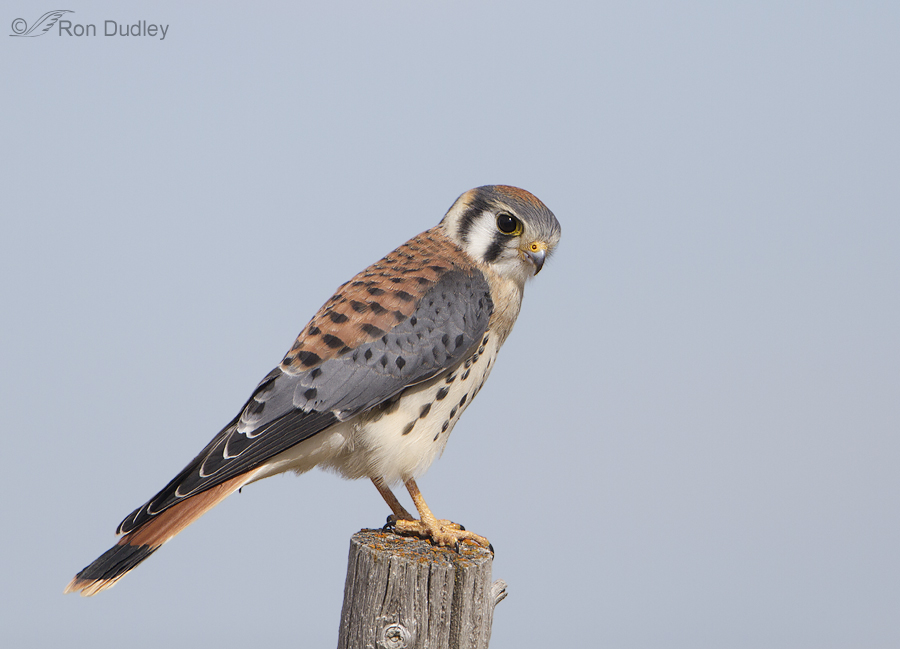
Several weeks ago I reported here about the alarming decline of the American Kestrel in most of North America. That decline has been apparent to me locally (Utah) as I’m seeing and photographing far fewer of them than in the past. Other more scientific and reliable sources report similar declines in many areas of the continent.

But apparently there are pockets of habitat where kestrels are still thriving and one of them is the Centennial Valley of southwest Montana.

Continue reading

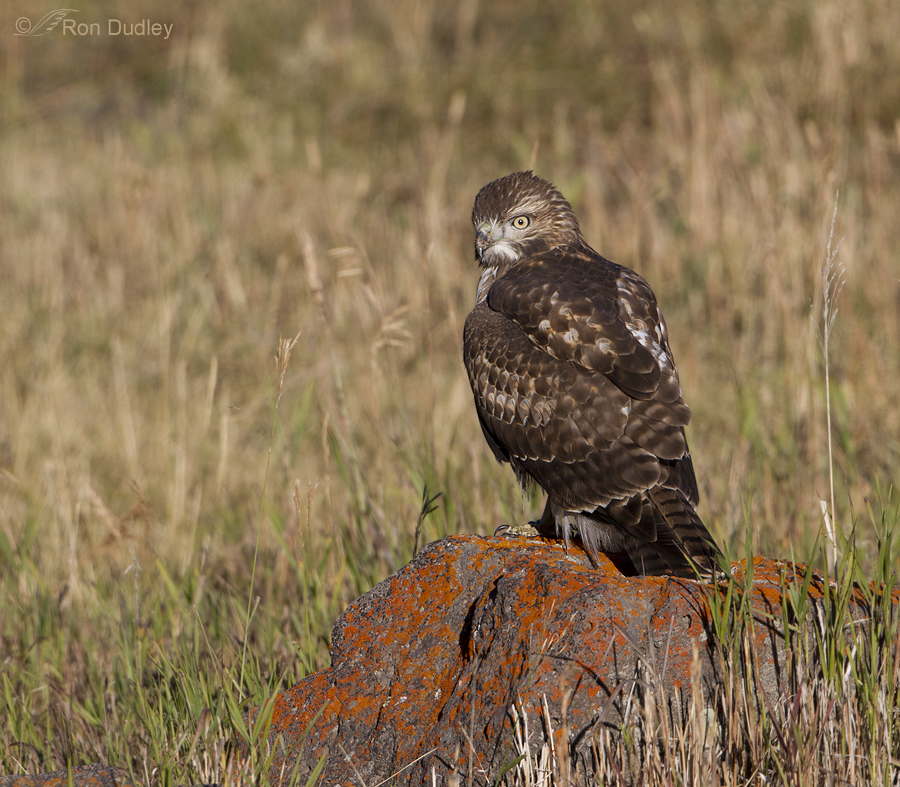
A Red-tailed Hawk And Red Lichen

Mia and I have been visiting the Centennial Valley for about five years now (usually 3-4 times every summer) and at least once each trip, as we passed this lichen-covered rock next to the road, I would mention to her how much I would like to photograph a raptor on one of these red rocks. There’s just something about my fondness for each, the lichen covered rocks and birds of prey, that has made that kind of photograph a personal goal. But it never happened for some reason. The birds of prey just don’t seem to perch on them, preferring instead the fence posts, utility poles and trees that are usually a little too far away from the road. It’s been an unfulfilled goal for a long time.

But all that changed last week.

Continue reading

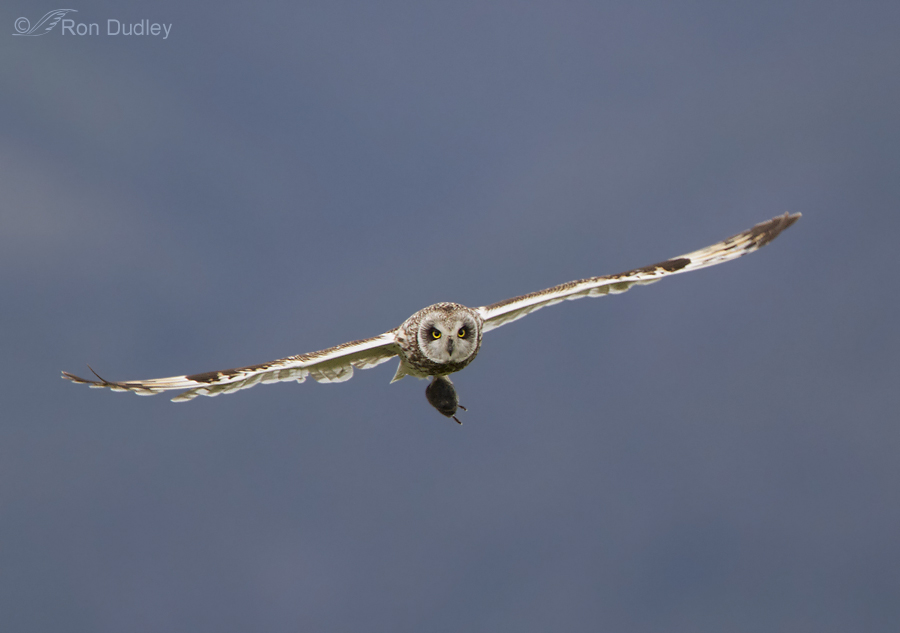
Owl Head-on Flight Shots Don’t Have To Be Baited

Head-on flight shots of owls have often been baited using live, store-bought mice. I’m of the opinion that baiting raptors is not only unethical (a debate I’d prefer to not get into here) but unnecessary for those kinds of images. However they typically require patience, intimate knowledge of the subject, a keen eye for interpreting behavior and even a little luck.

Continue reading

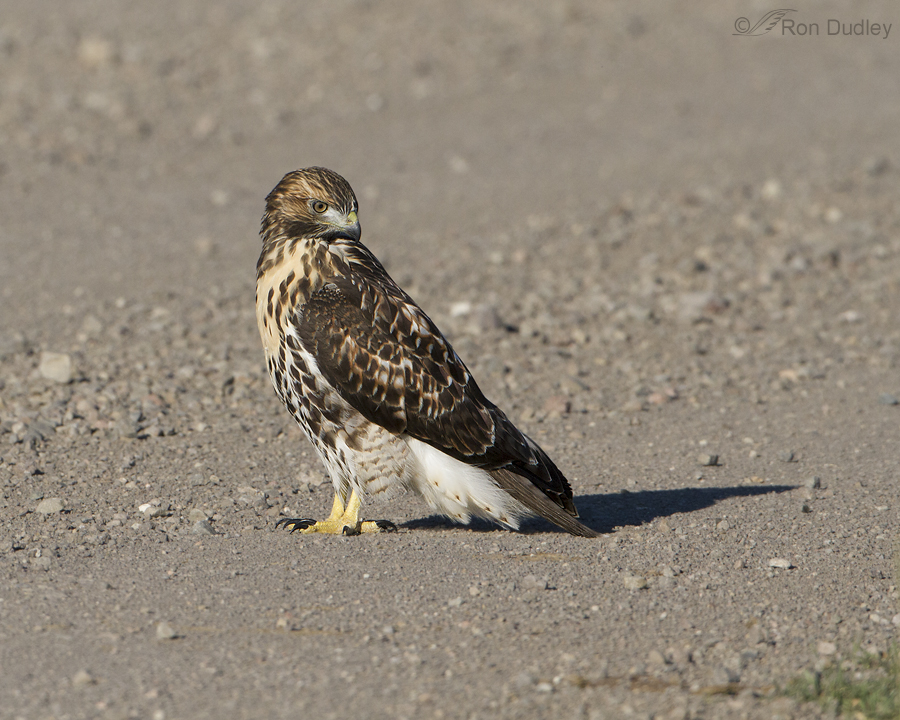
Why Did The Red-tailed Hawk Stand On The Road?

A little over a month ago I found this juvenile Red-tailed Hawk just standing around on a gravel road in the Centennial Valley of Montana. It’s behavior seemed at least a little odd because I’d never seen this species act so nonchalant when perched so low for so long – especially on a road.

Continue reading

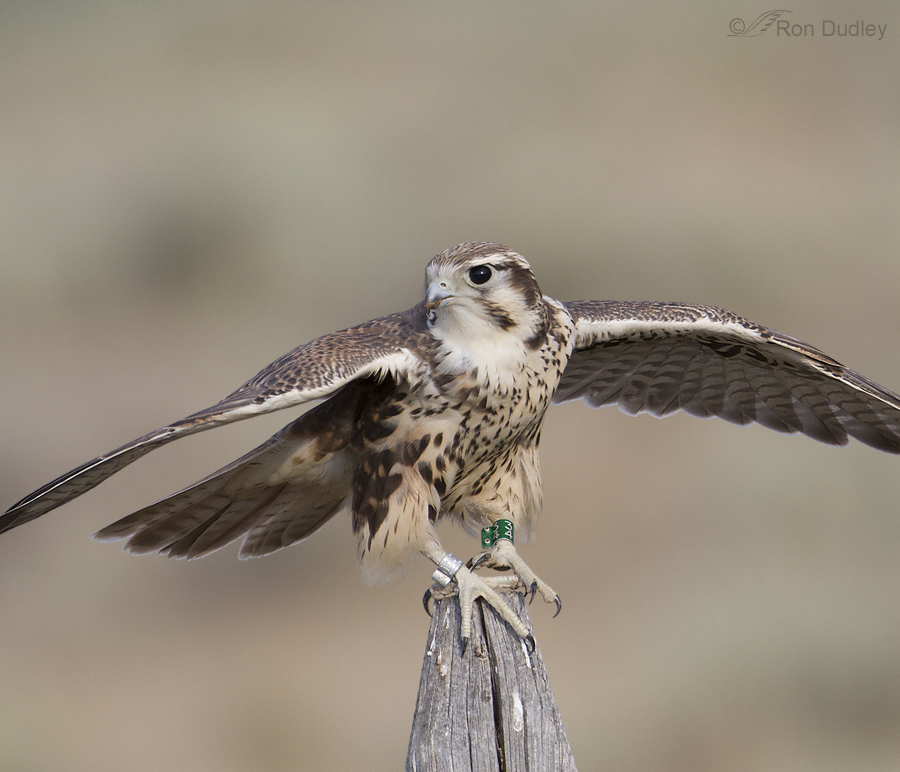
Banded Prairie Falcon – A Fascinating Update

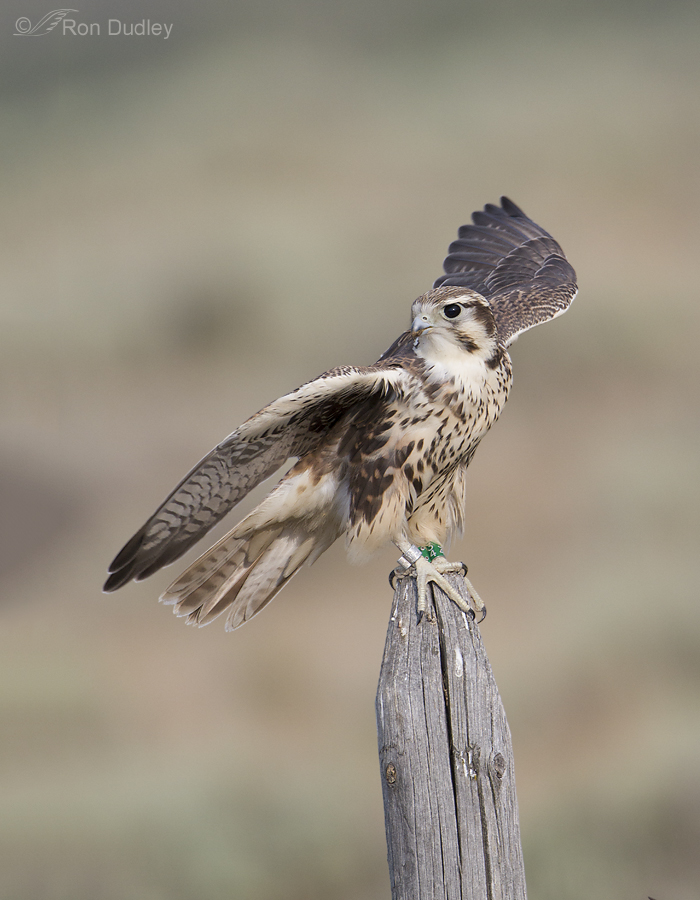
Two days ago I posted about a very tame juvenile male Prairie Falcon I photographed last week in the Centennial Valley of Montana.  The bird had two bands and I was extremely curious about where, when and why the falcon was banded and by whom so I asked for any insight my readers might have about the bands.  Several of you jumped in with advice and suggestions, for which I’m much appreciative. But it was the superb sleuthing of my friend Mike Shaw that paid huge dividends.  Mike did some research and learned that the colored band on the falcon (left foot) was issued to Doug Bell, Wildlife Program Manager for East Bay Regional Park District out of Oakland, California.  On Tuesday, figuring that Doug might be interested in knowing that his California bird was now in the wilds of Montana, I emailed him with a link to that blog post and an offer to supply any more information about my encounter with that bird that he’d be interested in.  I also asked him if he might tell me a little about his experience with the falcon. Yesterday Doug responded generously with information and photos.  Since many of my readers expressed an interest in knowing about the history of this young bird I decided to update you with a new post rather than add an addendum to the previous post that many might not see.  Besides, there’s a lot of new “stuff” here.  Image property of East Bay Regional Park District – used by permission Doug and his team banded “my” Prairie Falcon…

Continue reading

The Tamest Prairie Falcon Of Them All

In yesterday’s post about grasshopper-eating Prairie Falcons I promised that today’s post would also be about Prairie Falcons. It is, but only one of them – probably the most approachable larger falcon that I’ve ever encountered in the wild.

Continue reading

Miscellaneous Montana Moments

This post is a potpourri of photos from last week’s Montana trip. I’ll include shots of mammals and scenery so there will be no common theme that runs through all the images other than the trip itself. Travelogues are not my forte and some of these images aren’t of the highest quality but they illustrate some interesting behaviors that I wanted to share.

Continue reading

Short-eared Owl With Prey, Coming At Me

I’m always happy when I can get decent images of an owl in flight.  If they’re carrying prey it’s a bonus.  And if the bird is flying toward me I often consider it icing on the cake – partly because those kinds of shots are so very often baited, decoyed, set up or called in.  As always for me, these were not. I’ve posted one of these shots before but I hoped it might be interesting for some to see a sequence of images as this adult male Short-eared Owl flew toward me with a vole for its mate before veering off to my right.    1/1000, f/5.6, ISO 800, 500 f/4, 1.4 tc, natural light, not baited, set up or called in This first image shows less detail and image quality because the owl was further away as it began to approach me but I decided to include it for context in the sequence.  The lower background is sagebrush flats while the upper blues are Montana’s Centennial Mountains in shade.       1/1250, f/5.6, ISO 800, 500 f/4, 1.4 tc, natural light, not baited, set up or called in Four frames later the owl was significantly closer and flew almost directly at me before veering off – a pattern it followed more than once.  I’d guess that it was his way of checking me out for any potential threat before delivering the vole.       1/1000, f/5.6, ISO 800, 500 f/4, 1.4 tc, natural light, not baited, set up or called in  Which he’s doing intently here.  Eye contact can’t be much…

Continue reading

Attack Of The Shoveler

Most Northern Shovelers breed far north of my area (northern Utah) so I rarely get to see their intensely agonistic breeding behaviors but I’ve seen and photographed some of it in mid-June at Red Rock Lakes National Wildlife Refuge in sw Montana. Northern Shovelers are the most territorial of all dabbling ducks and the sexes remain paired longer than any other species.  Both of these factors contribute to their aggressive natures. These three sequential shots don’t have great image quality but I do think they illustrate some interesting behavior.    1/2000, f/7.1, ISO 500, 500 f/4, 1.4 tc I’d been photographing Short-eared Owls from my pickup but was aware of some activity from shovelers in the marshy grasses nearby.  A commotion got my attention just in time to see the male on the right fly in to attack another male on the water.  The second bird saw the attack coming and decided that discretion was the better part of valor and rose from the water in a hasty retreat.  I like the non-plussed look of the retreating bird.       1/2000, f/7.1, ISO 500, 500 f/4, 1.4 tc  In this second image of the series it’s not clear if the open bill of the incoming bird is due to aggressive vocalization or an attempt to bite the other male.      1/2000, f/7.1, ISO 500, 500 f/4, 1.4 tc But in this last image I think it becomes obvious that the  intent was to bite the retreating duck. Bird behaviors fascinate me.  They’re often both interesting and entertaining but many of…

Continue reading

Delivering Food For A Family Of Short-eared Owls

I try  not to play favorites when it comes to bird subjects for my photography but Short-eared Owls would have to be near the top of any such list I might make.  I’ve had some luck with them here in Utah but my favorite area to photograph them is in southwest Montana.  This series is from the summer of 2010 in Beaverhead County. I spent several days watching and photographing a male owl hunt voles and then bring them in for his family (female and two chicks) at the nest at the base of a sagebrush.  I thought it might be interesting for some to see a full series of shots (of those I kept) as the male approached the nest with a vole.     1/1600, f/6.3, ISO 800, 500 f/4, 1.4 tc, shot from pickup window, natural light Like me, this male was a creature of habit.  I would watch him hunting far off in the distance and when he was successful he would always  repeat the same pattern.  He would bring the vole in to the vicinity of the nest and then land on one of two favorite perches for a short time before delivering the vole to his family.  This small sagebrush was one of those favorite perches – the other was a metal post.  Here, he is in the process of landing and you can see the dark vole in his left foot. He always carried the vole to the perch in his left foot (as I’ve documented here) and always transferred…

Continue reading

Swainson’s Hawk Regurgitating Pellets

Western Montana has been awash in Swainson’s Hawks this summer.  From the Canadian border (Glacier County) to the southern border with Idaho (Beaverhead County) I found them in significantly larger numbers than I have seen in previous summers.  I hope this very unscientific observation is accurate and that it bodes them well as a species because their numbers have been declining to the point where they are listed as a Species of Special Concern in several western states.    1/2000, f/7.1, ISO 500, 500 f/4  I found this handsome juvenile this past week along a county road in Beaverhead County.  At first it was very relaxed and assumed this clenched fist pose that is so typical of many buteo species when they’re at ease and resting.      1/1600, f/7.1, ISO 500, 500 f/4 But soon it began to arch its neck and I recognized that it was about to attempt to expel a pellet.  I had already taken my tc off in anticipation of take-off so I decided to leave it off because so often in the past I’ve missed the falling pellet as it dropped out of frame at the bottom.      1/2000, f/7.1, ISO 500, 500 f/4 Then, with the nictitating membrane pulled over the eye, the bird began to retch. These few images showing pellet ejection may give the viewer the impression that it all happened very quickly.  It didn’t.  From beginning to end the whole process took over four minutes.  During that time there were alternating periods of retching and resting and it didn’t look to be a…

Continue reading

Short-eared Owl Displaying Ear Tufts

Short-eared Owls are always a primary photographic quarry for me whenever I visit the Centennial Valley in sw Montana but on this last trip I only found one.  However, that lone bird made up for it by showing me something fairly unusual.      1/1600, f/5.6, ISO 500, 500 f/4, 1.4 tc  These owls have short ear tufts (“ears”) but they are only rarely seen because they are usually laying down on the top of the head.  Here they can be seen, but just barely.       1/2000, f/5.6, ISO 500, 500 f/4, 1.4 tc However, when the bird turned to face me for just a moment the tufts became visible.   Typically they are only erected in a defensive pose and I don’t know if this owl deliberately displayed them to me because it thought I was too close or if a breeze from the back lifted them involuntarily.  I suspect it was the latter because in the shots right after this one other feathers on the head look to be blown erect by the breeze. Either way I was glad to see the tufts.  I have hundreds of images of this species and very few of them show the “ears”. Ron

Continue reading