Why Did The Red-tailed Hawk Stand On The Road?
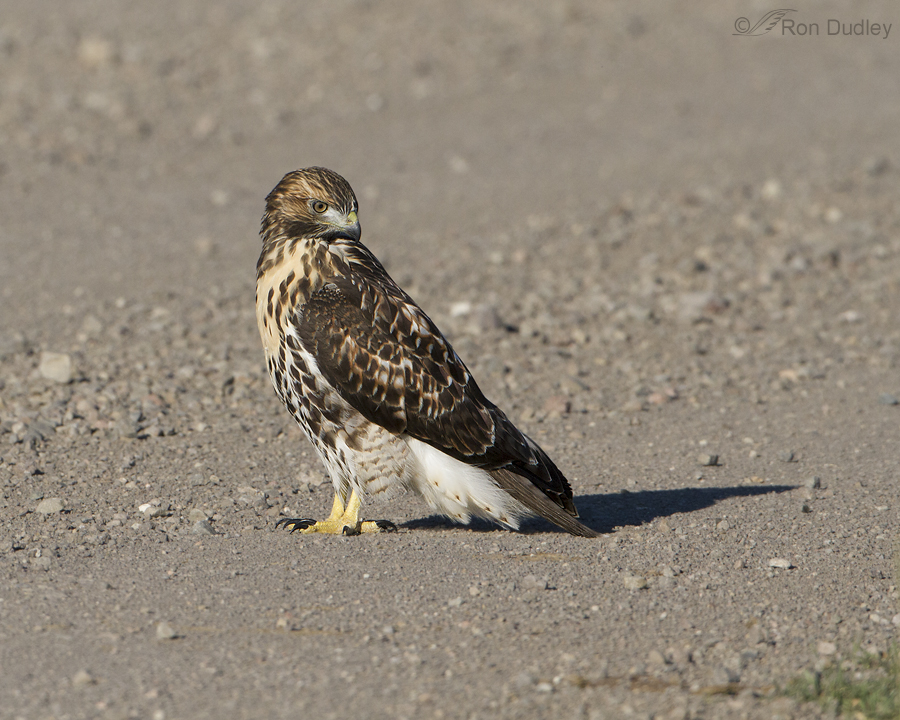
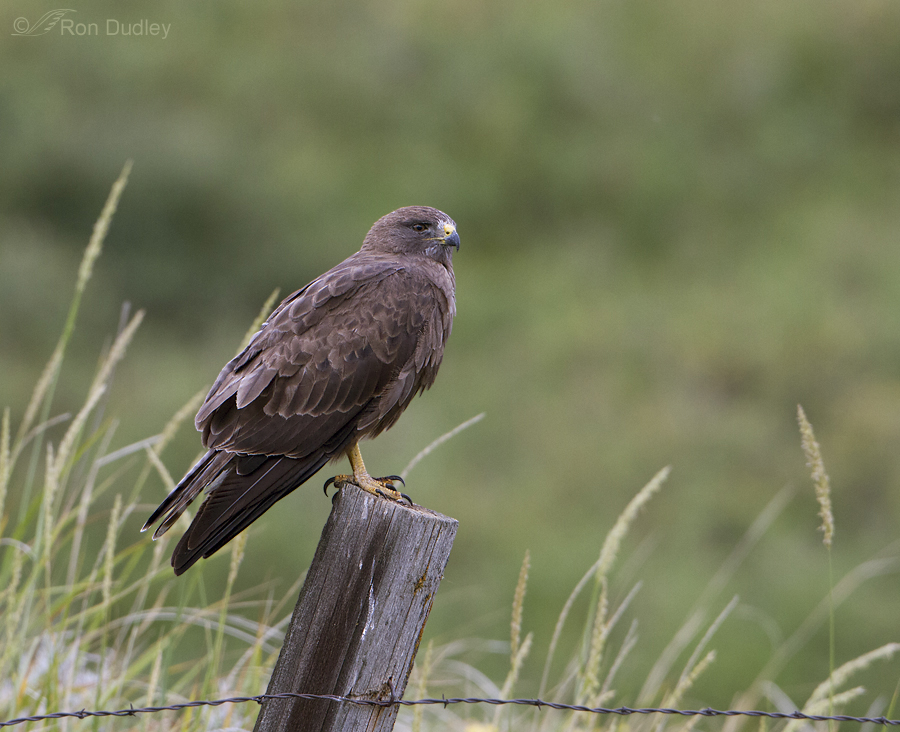
A little over a month ago I found this juvenile Red-tailed Hawk just standing around on a gravel road in the Centennial Valley of Montana. It’s behavior seemed at least a little odd because I’d never seen this species act so nonchalant when perched so low for so long – especially on a road.
Continue reading

Hummingbirds, Butterflies And Rocky Mountain Bee Plant

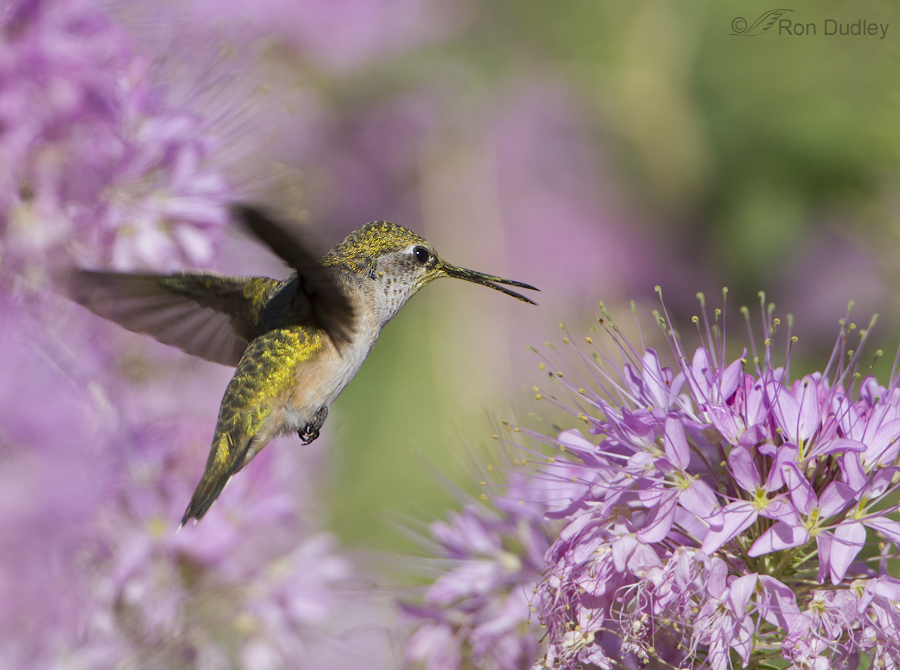
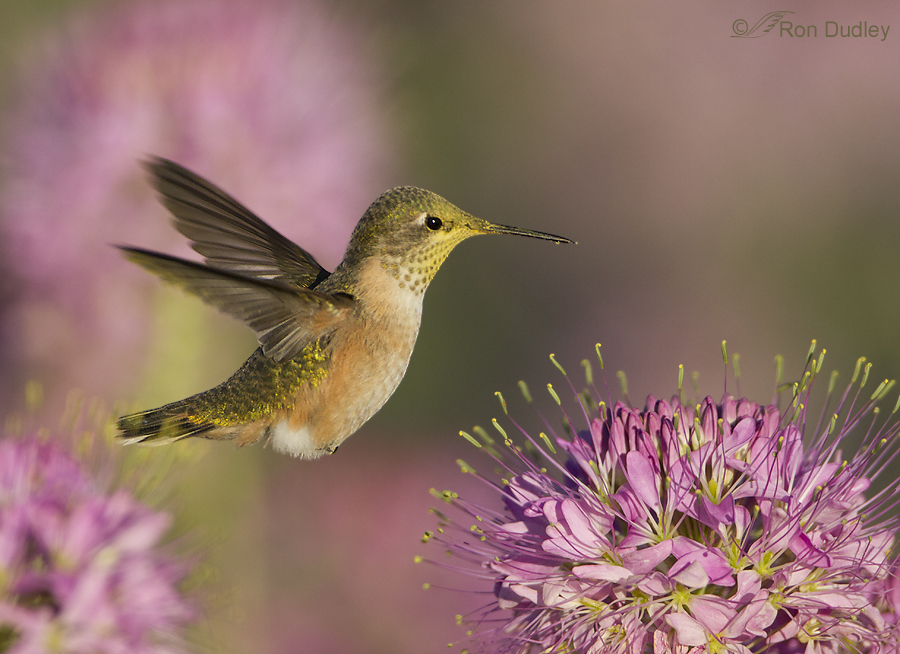
Yesterday morning on Antelope Island hummingbirds were buzzing frantically over clumps of Rocky Mountain Bee Plant, a species of Cleome that produces copious amounts of nectar so it attracts hummingbirds, butterflies, bees and wasps. All four were present. As a biologist I enjoyed watching the natural processes at work here. The long, showy pollen tipped stamens and deeply buried nectar, when combined with the long bill of the bird, are the perfect combination to suit some of the biological needs of each species. The hummers were often covered with pollen.

Continue reading

Odd Growths On The Face Of A Pronghorn

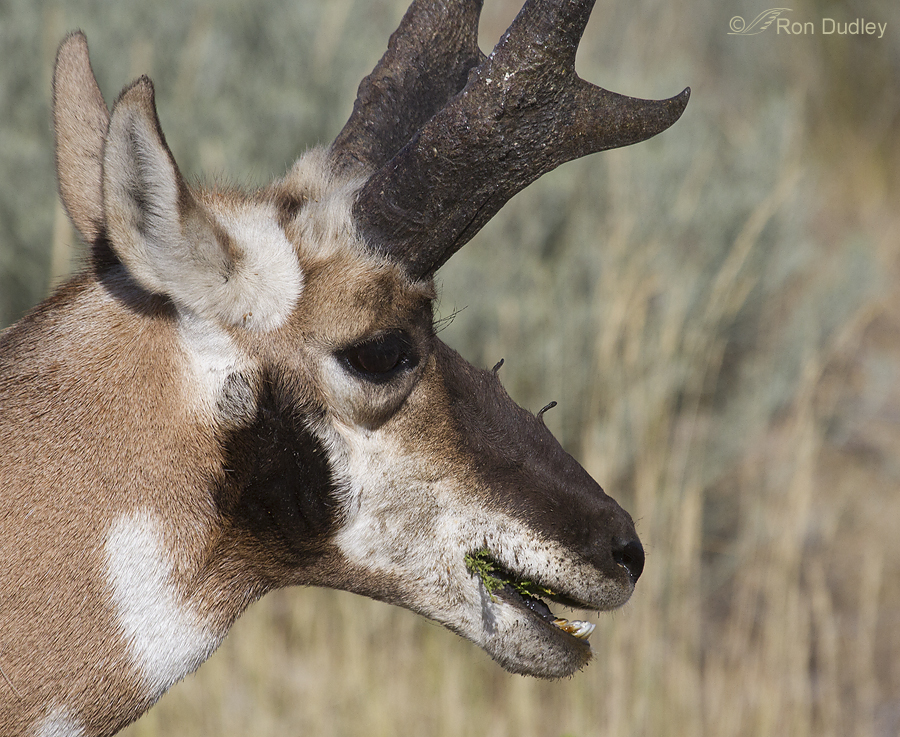
Earlier this month we encountered an unusual male Pronghorn on Antelope Island. Close inspection through our lenses revealed something that caught our attention – this animal had two strange-looking projections apparently growing out of the top of its muzzle. .

Continue reading

Western Grebe – Dumping The Chick Load

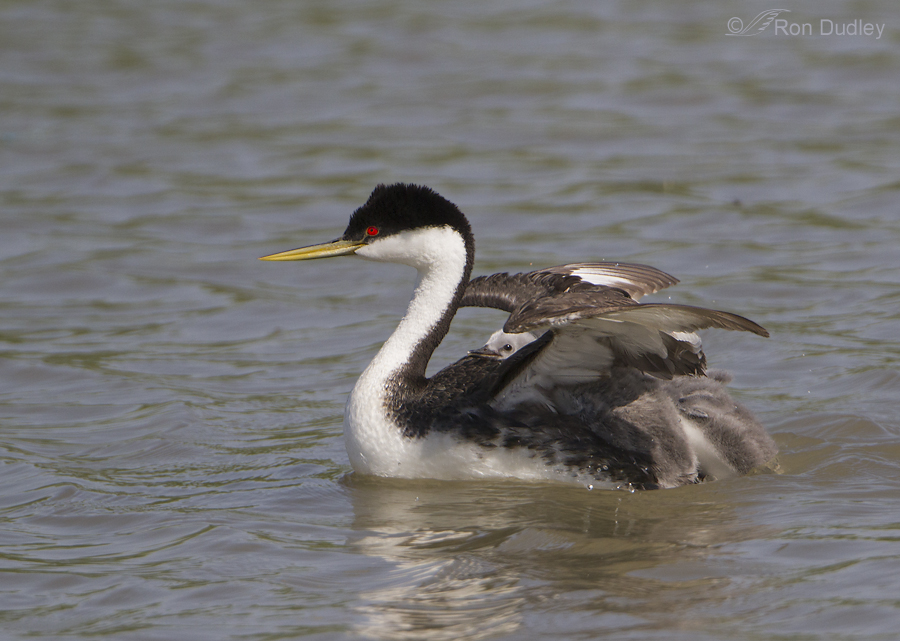
At this age Western Grebe chicks are heavy-bodied, small headed, loud, awkward and demanding. They alternately ride on the back of each parent (back brooding) as the other adult rests or hunts for fish to feed to its family. At this stage the youngsters are good swimmers and there’s often not enough room on the parents back for all of the chicks to ride comfortably anyway so the parent uses an interesting strategy to “dump its load” into the water when it needs a break.

Continue reading

Common Raven Covered With Spider Silk

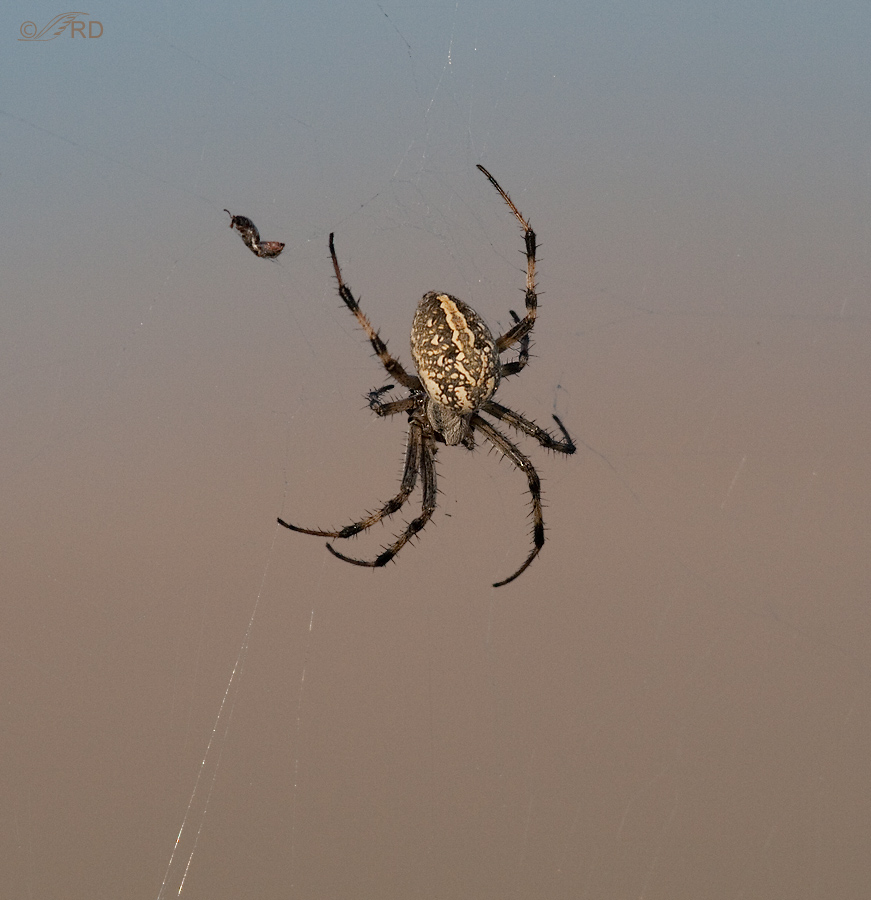
Antelope Island is crawling with spiders this time of year. Huge spiders. Gazillions of them. They’re quite obvious everywhere you go on the north end of the island and they can be intimidating in the extreme.

Two days ago as I was leaving the island I found this raven on the west end of the causeway road. It looked pretty goofy looking from a distance and as I got closer I began to realize why.

Continue reading

Spotted Sandpiper

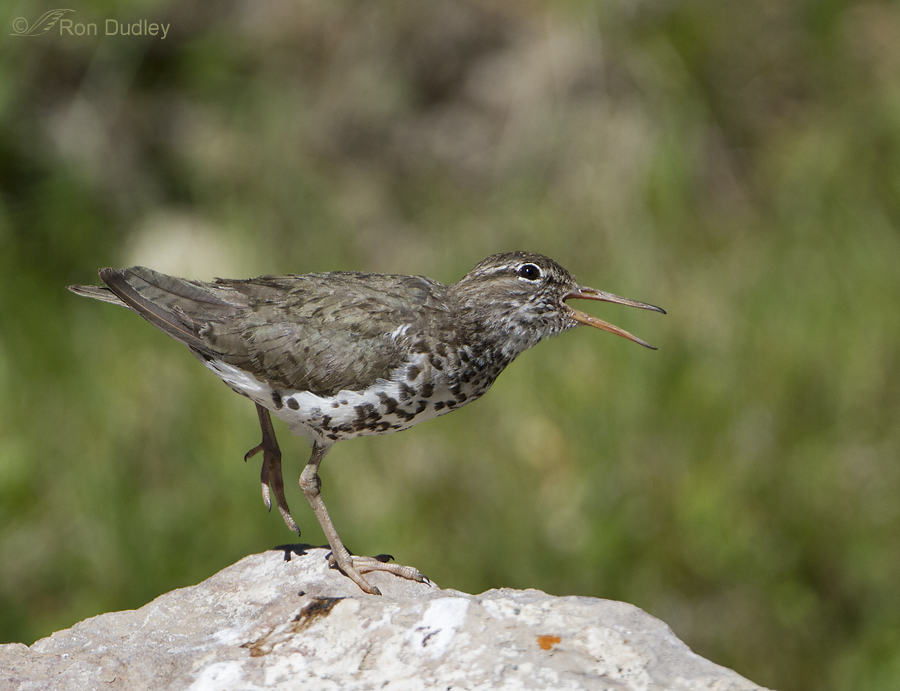
I see this species occasionally but they’re very small and I’m usually not close enough or the angle is too steep (shooting from my pick-up) for good shots. I’ve often put down my camera and just observed them – their butt-bumping is quite entertaining to watch.

Continue reading

A Tough Subject – Mourning Dove In Flight

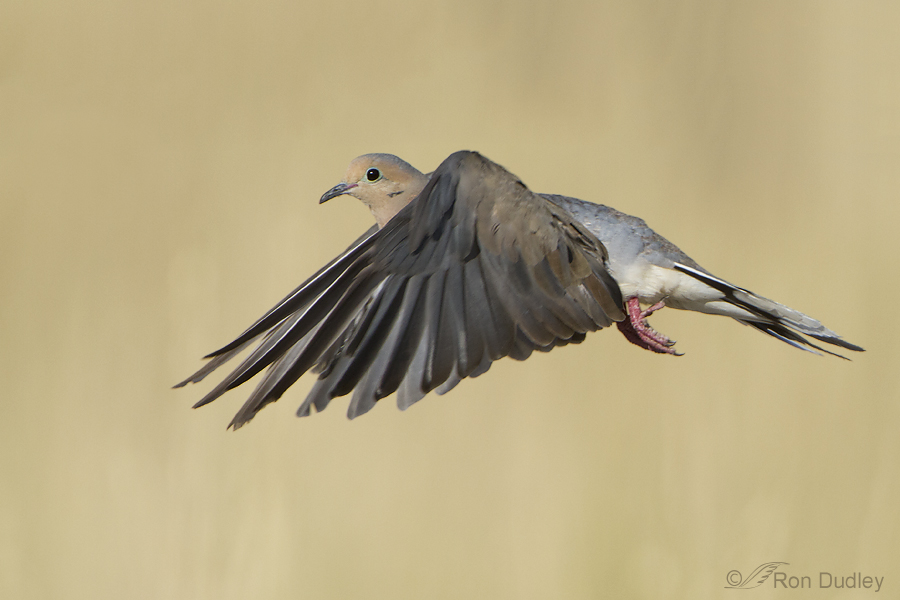
Mourning Doves one of the most difficult of all species I’ve ever attempted to photograph in flight. Their flight is fast and erratic and their take-off speed impressive (most observers are aware of the whistling noise made by their incredibly fast wing beats as they take off and land). All this makes for an aggravatingly difficult bird to photograph in flight – whether at take-off or in full flight. Until yesterday morning I still didn’t have a Mourning Dove flight shot.

Continue reading

Intermediate Morph Swainson’s Hawk

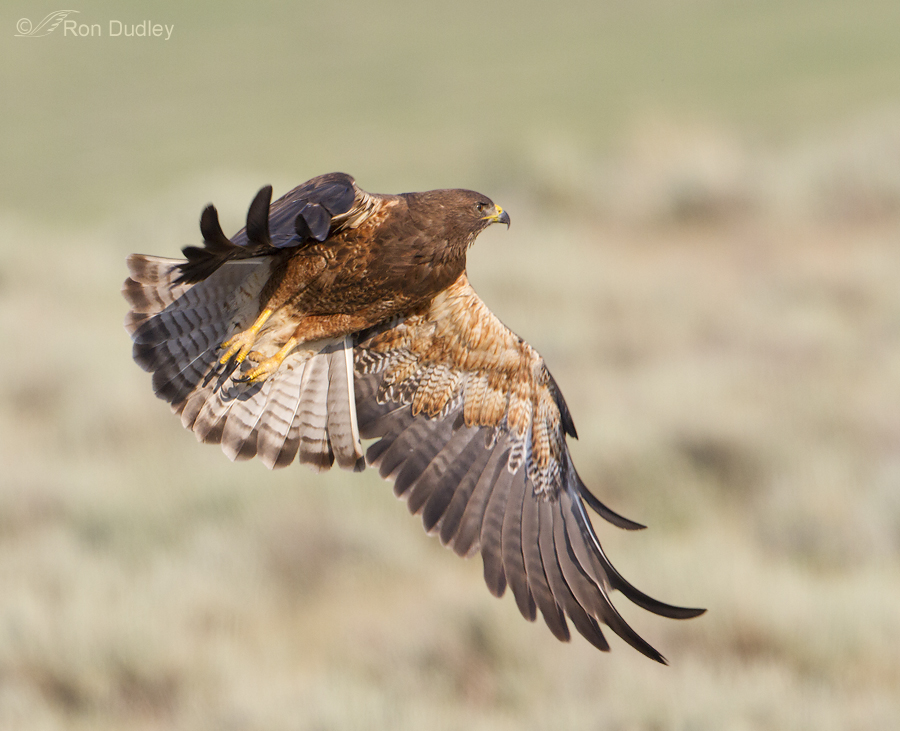
This is the third of my series of four posts on color morphs of the Swainson’s Hawk that I photographed on my last trip to Montana late last month. Todays bird is an intermediate morph.

The three morph categories are convenient to use but color variation of Swainson’s Hawks is almost continuous from darker to lighter individuals so the morph categories are somewhat arbitrary. I sometimes struggle with feeling confident about which category a particular bird belongs in.

Continue reading

Adult Light Morph Swainson’s Hawk

My last post was of a juvenile light morph Swainson’s Hawk transitioning into a subadult, this bird is an adult light morph and my next post will be of a dark morph Swainson’s (and perhaps an intermediate morph also) – this is turning into a series…

Continue reading

Subadult Light Morph Swainson’s Hawk

I’m always interested in the color phases of the various raptors I encounter so when we found this subadult Light Morph Swainson’s Hawk on July 25 on our last trip to southwest Montana it got my attention. These worn young birds look white-headed in spring and early summer because of fading – much different from the adults.

Continue reading

Wildlife Photography While Pulling A Trailer Isn’t Easy

When we leave one of our favorite Montana camping spots for the long drive home it means almost 30 miles of extremely dusty dirt/gravel roads through prime bird and wildlife habitat before we hit pavement. We nearly always leave at sunrise in case there are photo opportunities on the way out – typically those opportunities include raptors on posts, poles or in flight, songbirds, elk, deer, pronghorn – even badgers.

If the roads are good (as they are this year) that drive takes at least an hour when I’m pulling my camping trailer but if we find wildlife, as we often do, it can take two hours or more. And believe me, photographing wildlife while you’re pulling a trailer is a bit of a challenge.

Continue reading

Banded Prairie Falcon – A Fascinating Update

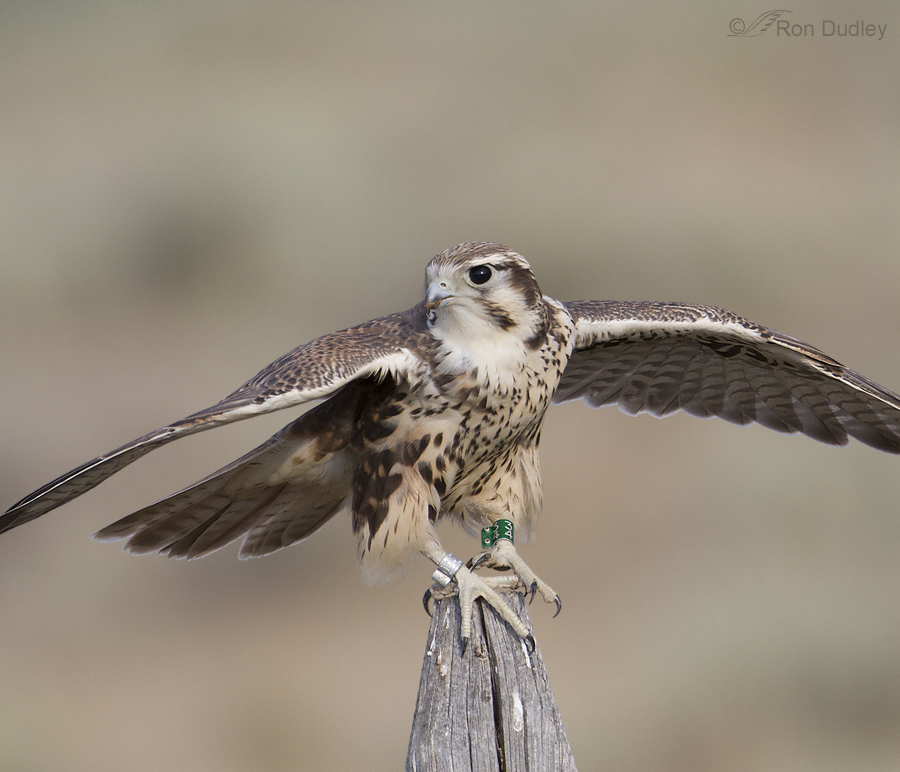
Two days ago I posted about a very tame juvenile male Prairie Falcon I photographed last week in the Centennial Valley of Montana.  The bird had two bands and I was extremely curious about where, when and why the falcon was banded and by whom so I asked for any insight my readers might have about the bands.  Several of you jumped in with advice and suggestions, for which I’m much appreciative. But it was the superb sleuthing of my friend Mike Shaw that paid huge dividends.  Mike did some research and learned that the colored band on the falcon (left foot) was issued to Doug Bell, Wildlife Program Manager for East Bay Regional Park District out of Oakland, California.  On Tuesday, figuring that Doug might be interested in knowing that his California bird was now in the wilds of Montana, I emailed him with a link to that blog post and an offer to supply any more information about my encounter with that bird that he’d be interested in.  I also asked him if he might tell me a little about his experience with the falcon. Yesterday Doug responded generously with information and photos.  Since many of my readers expressed an interest in knowing about the history of this young bird I decided to update you with a new post rather than add an addendum to the previous post that many might not see.  Besides, there’s a lot of new “stuff” here.  Image property of East Bay Regional Park District – used by permission Doug and his team banded “my” Prairie Falcon…

Continue reading