The Roughies Are Coming!

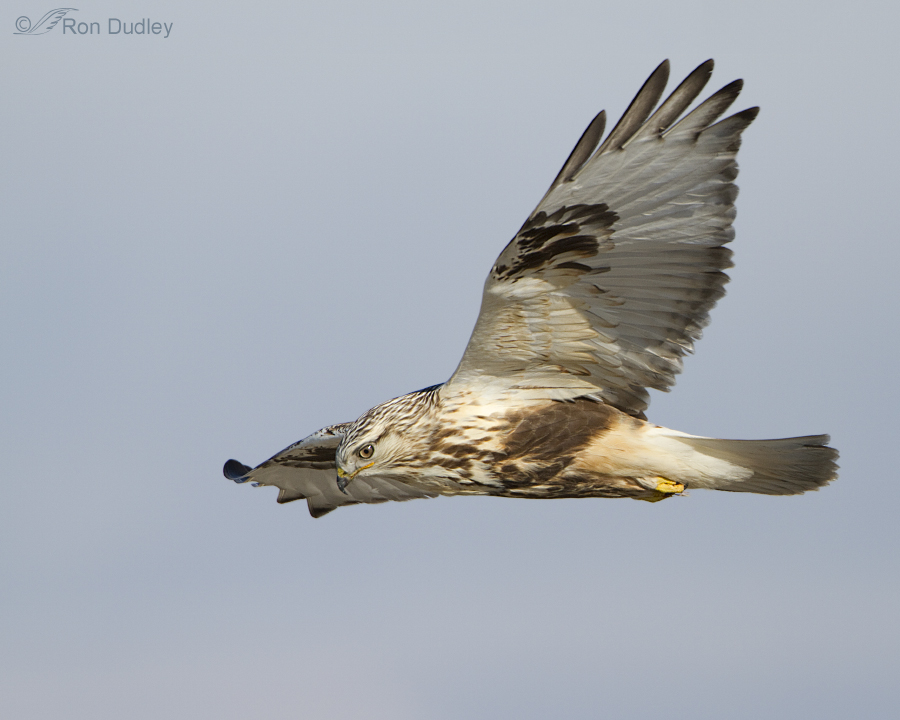
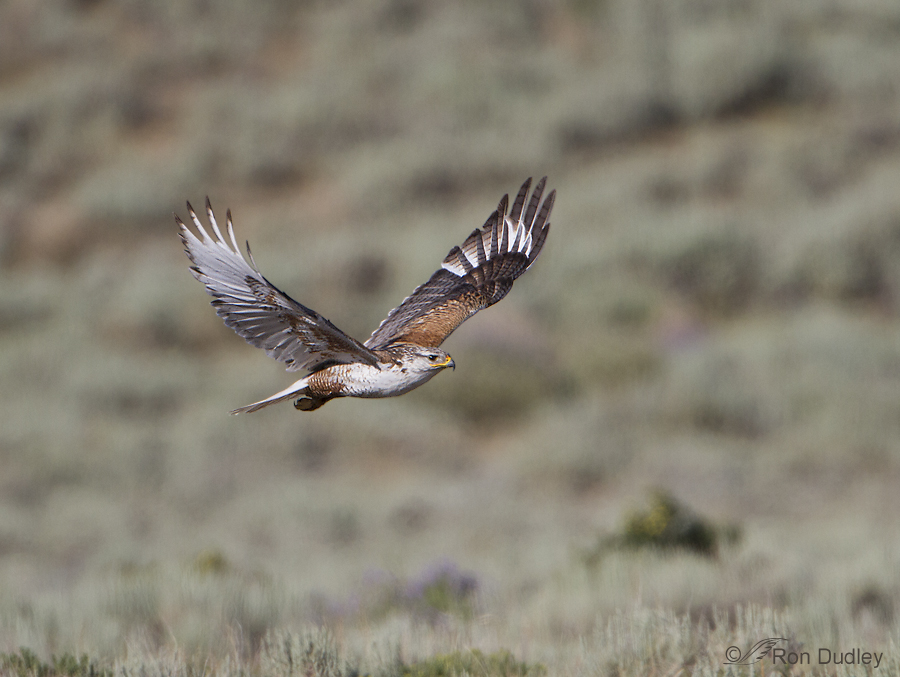
Early this morning, before leaving to look for birds on Antelope Island, I saw a Facebook post by my friend, bird aficionado and artist extraordinaire Bryce Robinson. It was a simple post, saying simply ” “I felt a change in the air today. The Roughies are coming…” and it was illustrated with one of his fine drawings – a portrait of a Rough-legged Hawk. The “change in the air” that Bryce was referring to was our first nippy cold morning after a long, hot summer and such changes always bring thoughts to mind of the return of the Rough-legged Hawk.

Then I spent the morning on the island looking in vain for birds (it’s very slow out there right now) so as I drove around my mind wandered regularly to thoughts of Roughies – inspired by Bryce’s post and the chilly temps (51 degrees on the causeway).
Continue reading

A Red-tailed Hawk And Red Lichen

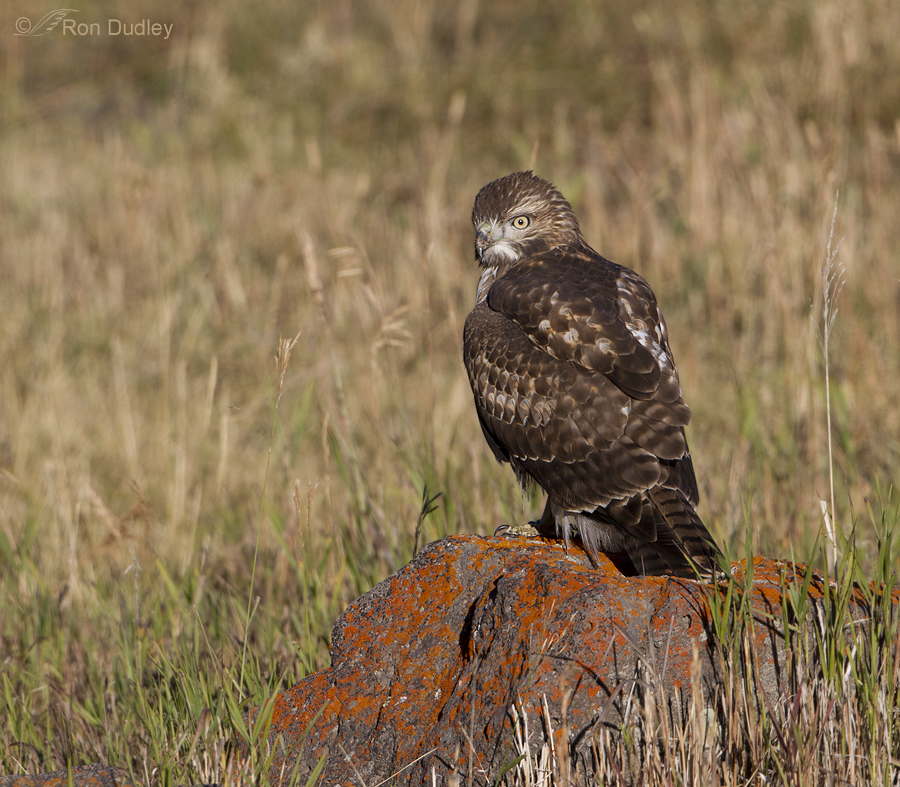
Mia and I have been visiting the Centennial Valley for about five years now (usually 3-4 times every summer) and at least once each trip, as we passed this lichen-covered rock next to the road, I would mention to her how much I would like to photograph a raptor on one of these red rocks. There’s just something about my fondness for each, the lichen covered rocks and birds of prey, that has made that kind of photograph a personal goal. But it never happened for some reason. The birds of prey just don’t seem to perch on them, preferring instead the fence posts, utility poles and trees that are usually a little too far away from the road. It’s been an unfulfilled goal for a long time.

But all that changed last week.

Continue reading

Red-tailed Hawk Versus Northern Harrier – Aerial Confrontation

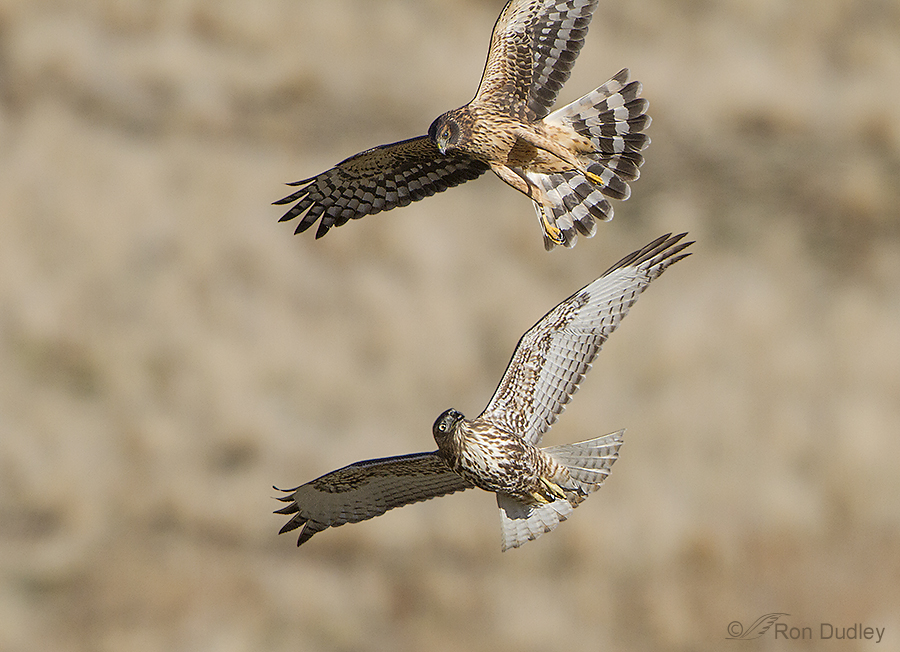
Northern Harriers are well-known for aggressive behavior toward larger raptors intruding on their territory but seldom chase off raptor species smaller than themselves. This interesting behavioral quirk apparently results from the ability of harriers to steal food from smaller raptors. It’s easier to pilfer prey from a smaller species than it is to catch it yourself so harriers let them hang around.

Continue reading

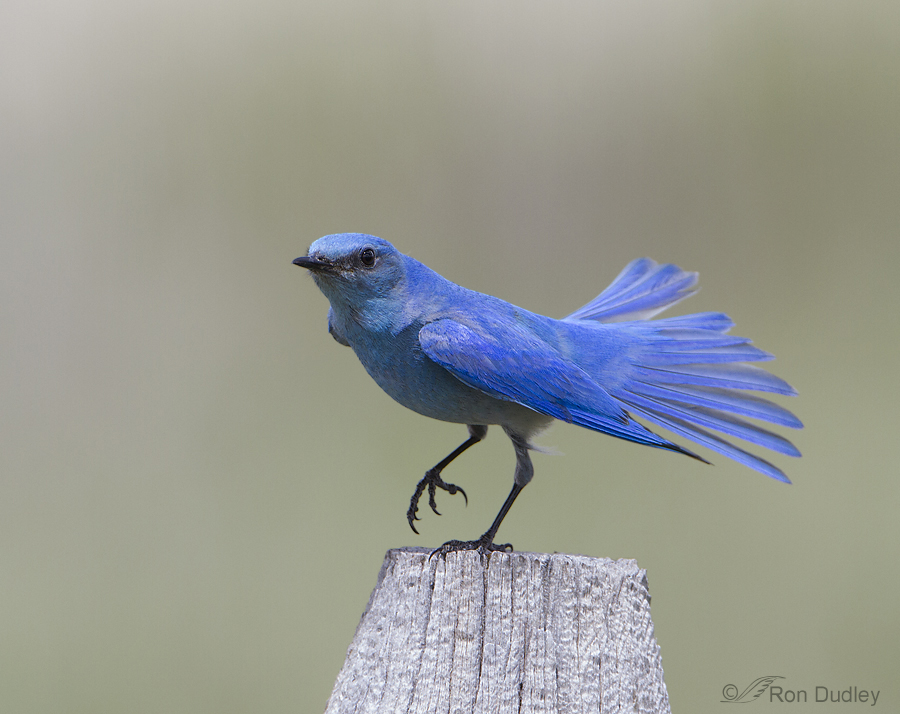
Plumage Development Stages Of Male Mountain Bluebirds

While photographing a juvenile male Mountain Bluebird in Montana last week I was struck by the interesting variation in color and patterns of the adult male in breeding plumage as compared to those of the juvenile male. I thought some viewers might be interested in a photographic comparison of some of their development stages.

Continue reading

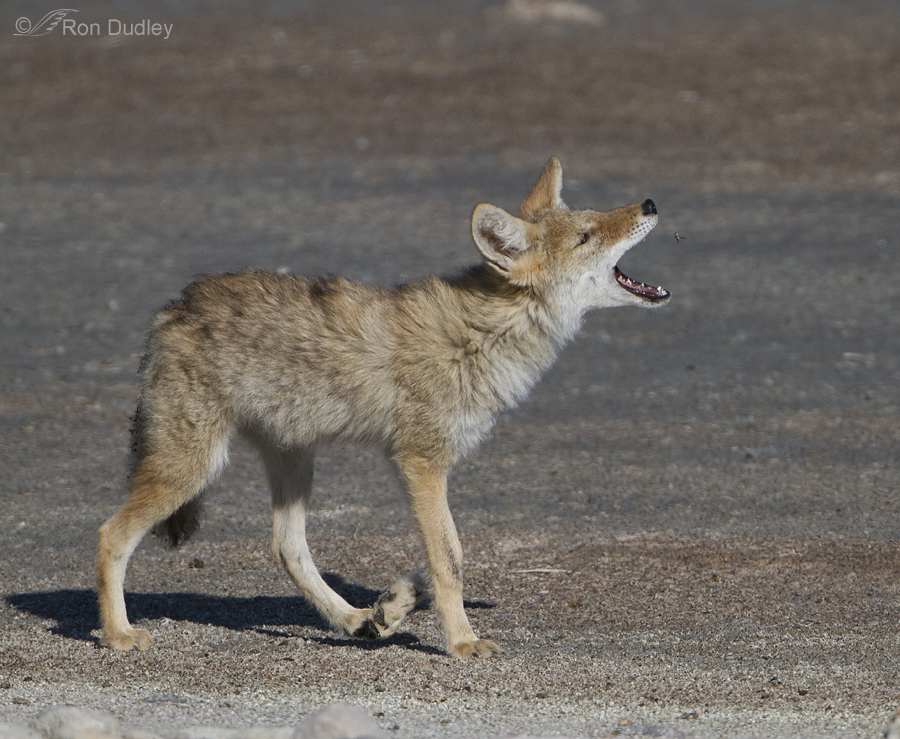
A Montana Coyote On The Prowl

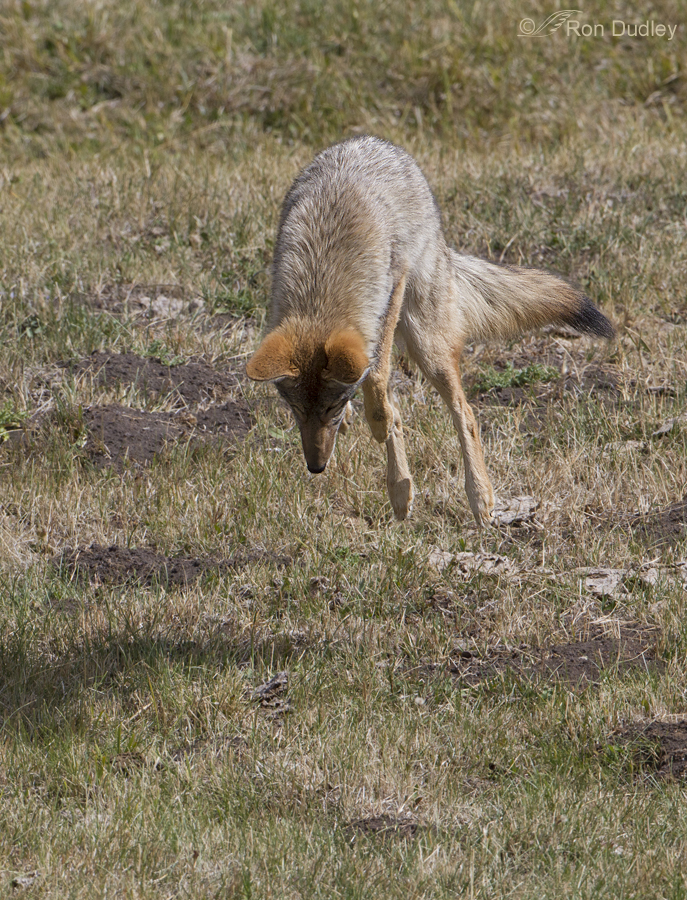
One afternoon on our latest Montana trip we decided to do a little “sploring” (as we call it) and investigate some country new to us so we spent several hours cruising the back roads on the south side of the Centennial Mountains. We found a beautiful mountain valley very close to the continental divide that provided a variety of habitats but few birds.

But it did give me my best photographic opportunity ever with a Montana coyote.

Continue reading

Cedar Waxwing In My Face

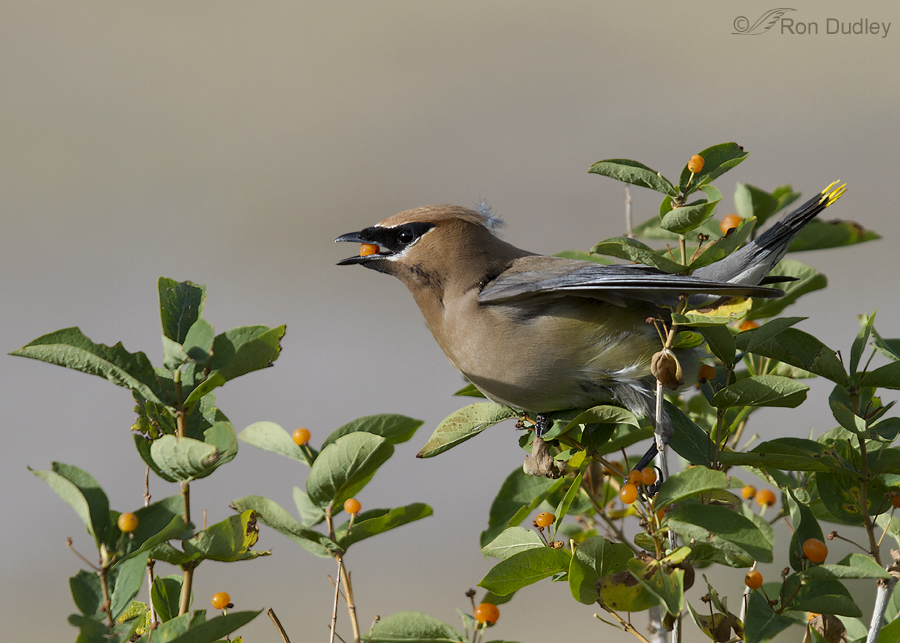
On Wednesday morning we stopped on a gravel road overlooking a lake with a steep drop off to my left where we scoped the trees growing from the bottom of the slope for birds. There was a small clump of berry bushes growing within a few feet of my pickup which we mostly ignored, figuring we were too close to them for any birds to be there.

Suddenly this Cedar Waxwing swooped in and landed right in our faces to feast on the berries.

Continue reading

Some Recent Shots To Break A Bird Photographer’s Heart

Occasionally I just have to vent about some of my photography frustrations.

Every nature photographer has them. Landscape photogs spend countless hours waiting for just the right light and dramatic clouds which often never materialize, those specializing in wildlife (especially mammals) often cannot even find their subjects, macro nature photographers have to deal with slight breezes that can ruin their shots and those who focus on flowers have a limited season.

But bird photographers may have the most challenging subjects of all (perhaps my bias is creeping in here, but I doubt it).

Continue reading

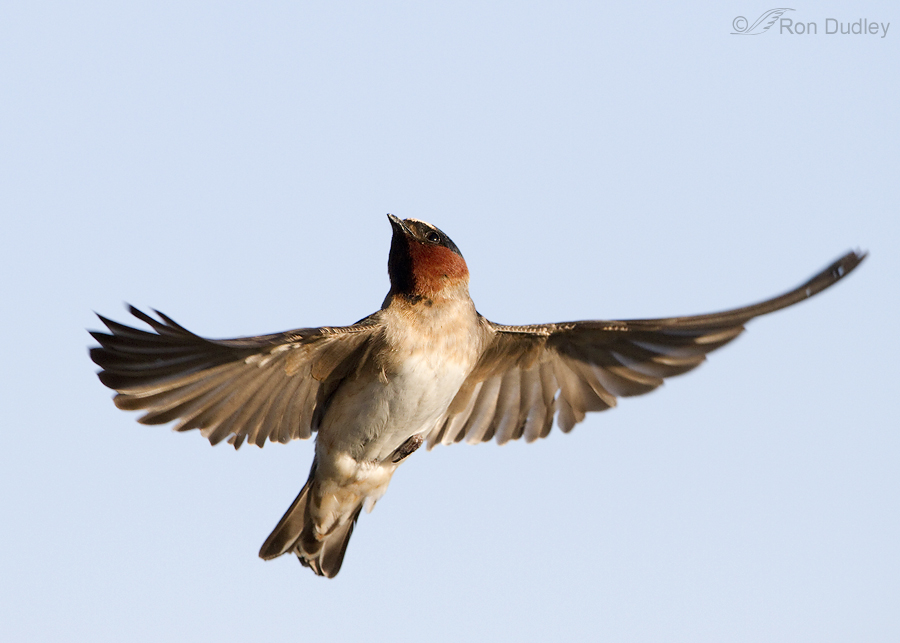
Cliff Swallow In Flight

For years I tried to photograph swallows in flight, usually without much strategy – just shooting them wherever I might find them. That typically meant while they were freely flying overhead or buzzing the surface of a pond or stream as they picked off insects and it always meant failure on my part. They’re just too fast, too small and too maneuverable for my autofocus and reflexes.

Then one day I decided to change strategies…

Continue reading

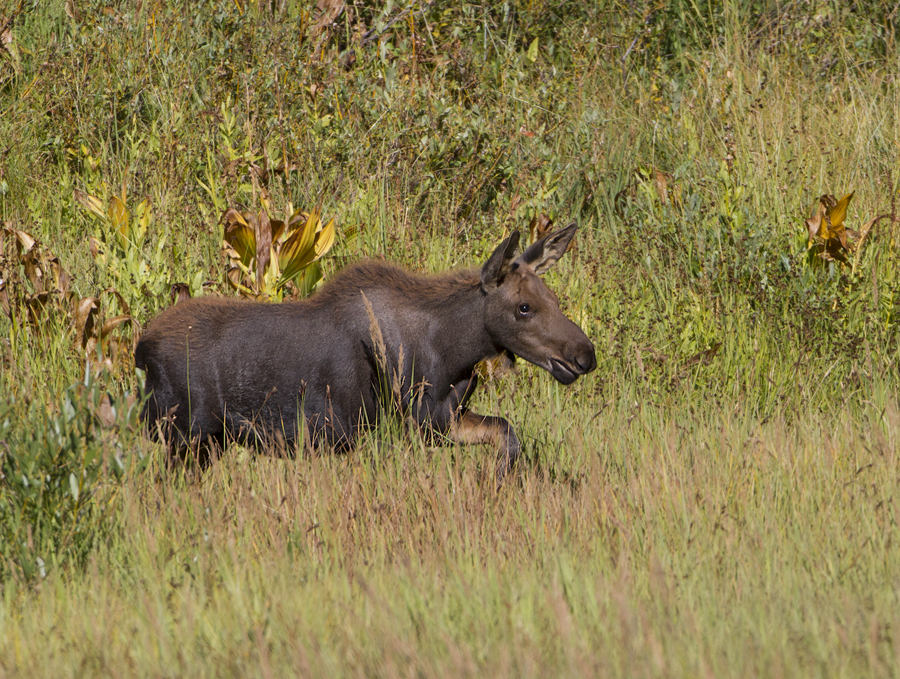
Moose Of Skyline Drive

Last week we drove up to the top of Bountiful Peak in the Wasatch Mountains via Skyline Drive. The 25 mile (not including the side roads we took) loop road between Bountiful and Farmington is gravel, winding and narrow but the views of the valley below from elevations up to 9200 feet are spectacular and the wildlife and bird possibilities beckoned us. We mostly struck out with birds but had a great time with a momma moose and her calf at the edge of some ponds.

Continue reading

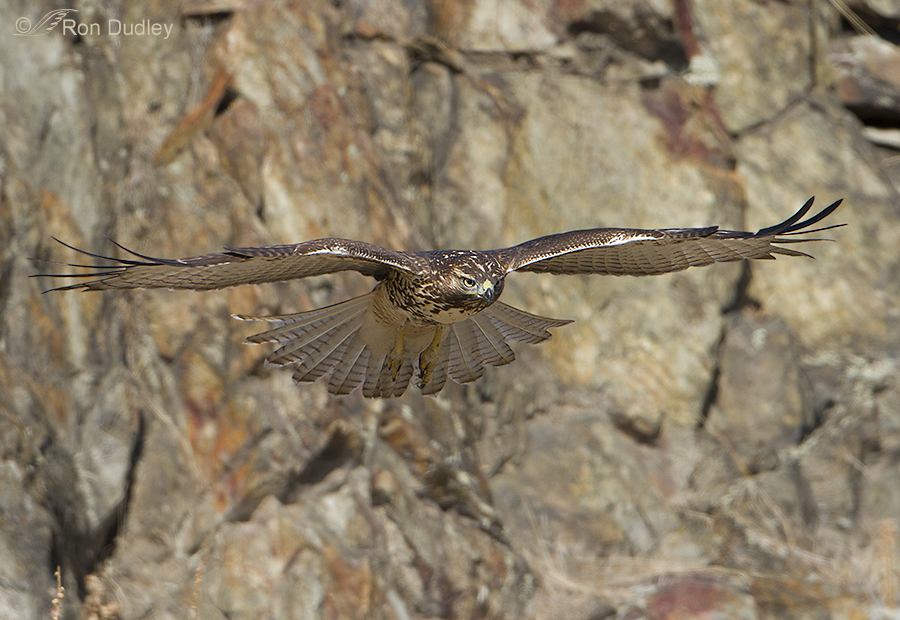
Red-tailed Hawk Gliding To Its Prey

About a year ago I spent some time with this juvenile Red-tailed Hawk as it honed its hunting skills. It wasn’t yet a very good hunter but it sure tried hard. It typically perched on top of some rocky outcrops as it scanned the grassy slopes below for voles. Then it would swoop down and make its attempt, though it seldom caught anything that I was aware of. Learning to hunt isn’t easy and the price to pay for failure is a dear one.

Continue reading

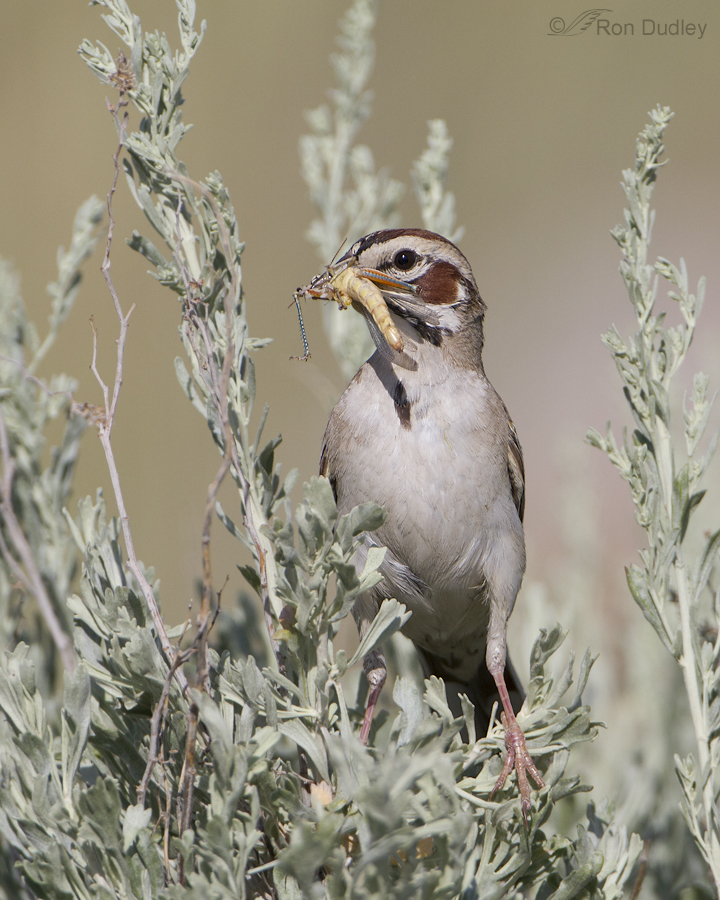
Lark Sparrow – The Sparrow With The Harlequin Face

Lark Sparrows are among my favorite songbirds to photograph, largely because of their boldly patterned face and head. Those dramatic chestnut, black and white markings make it one of the easier sparrows to identify and give it that harlequin look. This species has declined precipitously in the East but its populations seem secure in the rest of the continent where they’re naturally found.

Continue reading

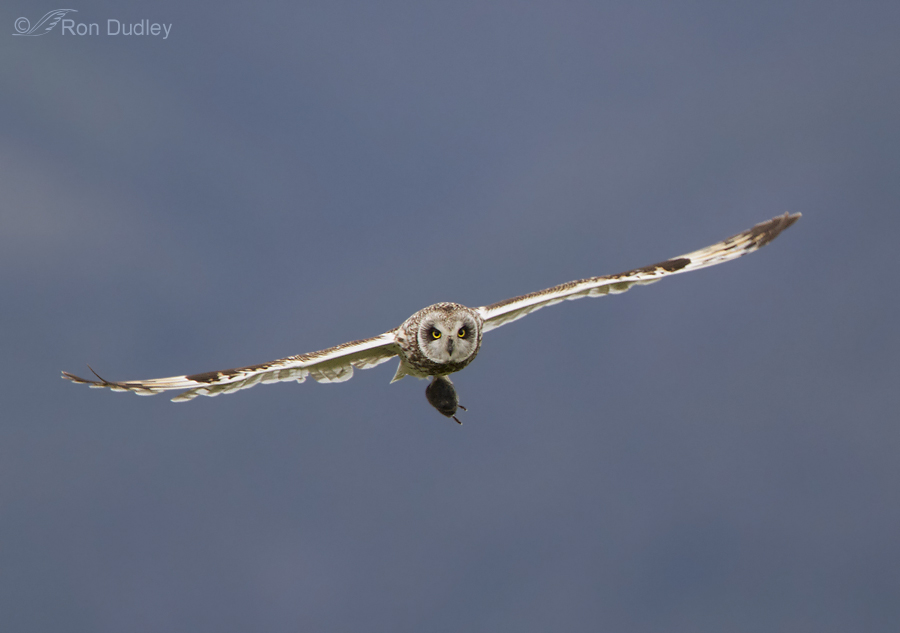
Owl Head-on Flight Shots Don’t Have To Be Baited

Head-on flight shots of owls have often been baited using live, store-bought mice. I’m of the opinion that baiting raptors is not only unethical (a debate I’d prefer to not get into here) but unnecessary for those kinds of images. However they typically require patience, intimate knowledge of the subject, a keen eye for interpreting behavior and even a little luck.

Continue reading

Some Interesting Coyote Behaviors

Late last week we encountered two coyotes walking east along the north side of the Antelope Island Causeway. One was a very light-colored adult and the other a slightly darker and smaller youngster. This summer has been a mighty survival struggle for the island’s coyotes – the vole populations crashed and the extreme heat and drought have taken their toll. These two actually seemed forlorn and destitute in both posture and demeanor as they walked the shore of the causeway. But they did show me several interesting behaviors that I was able to photograph.

Continue reading

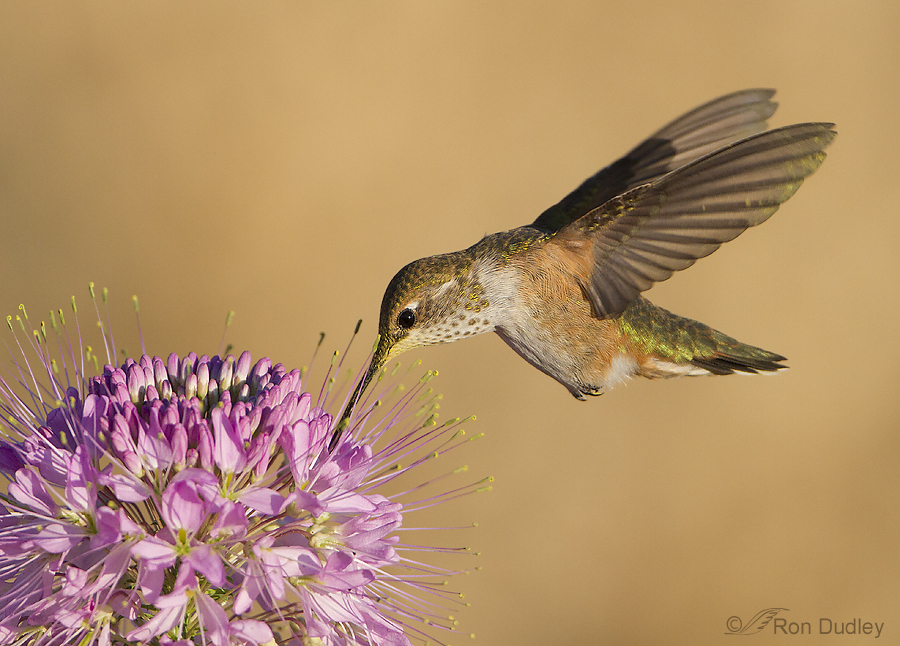
My Third Day With The Antelope Island Hummingbirds

I spent three mornings with the Hummingbirds of Antelope Island last week. Each day the number of birds and amount of activity declined so I’m thinking some of them are already moving out. All but one of these images are from the third day.

Despite my lack of experience shooting hummingbirds I’m already developing preferences for settings and backgrounds when photographing them. My tastes are sometimes overwhelmed by all the flower color, especially when there’s so many flowers and they’re all the same color so I like as much variety as I can get in my backgrounds. Shades of pink have never been my favorite colors…

Continue reading