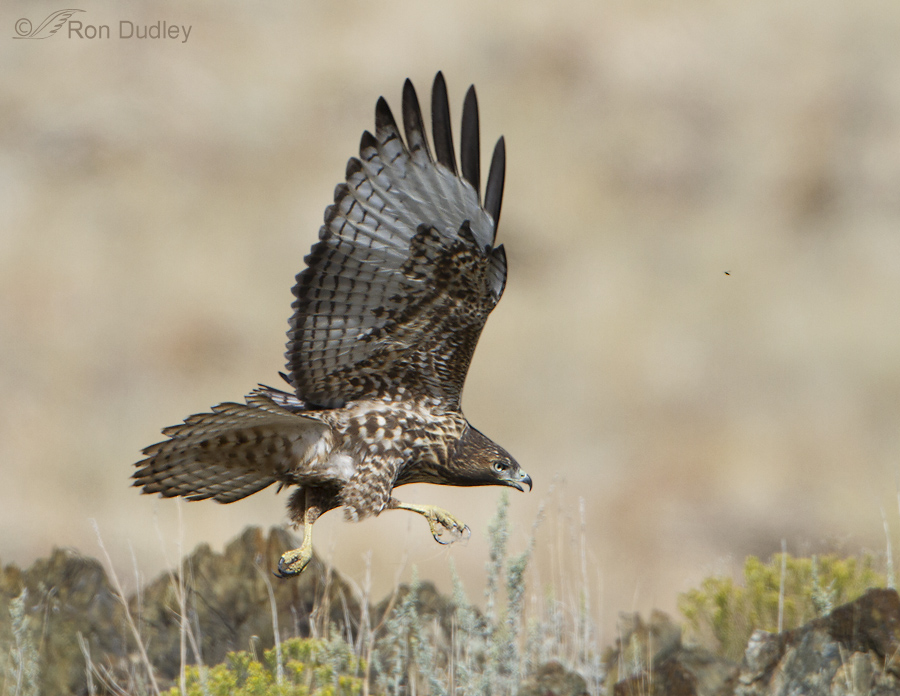
Dark Morph Rough-legged Hawk
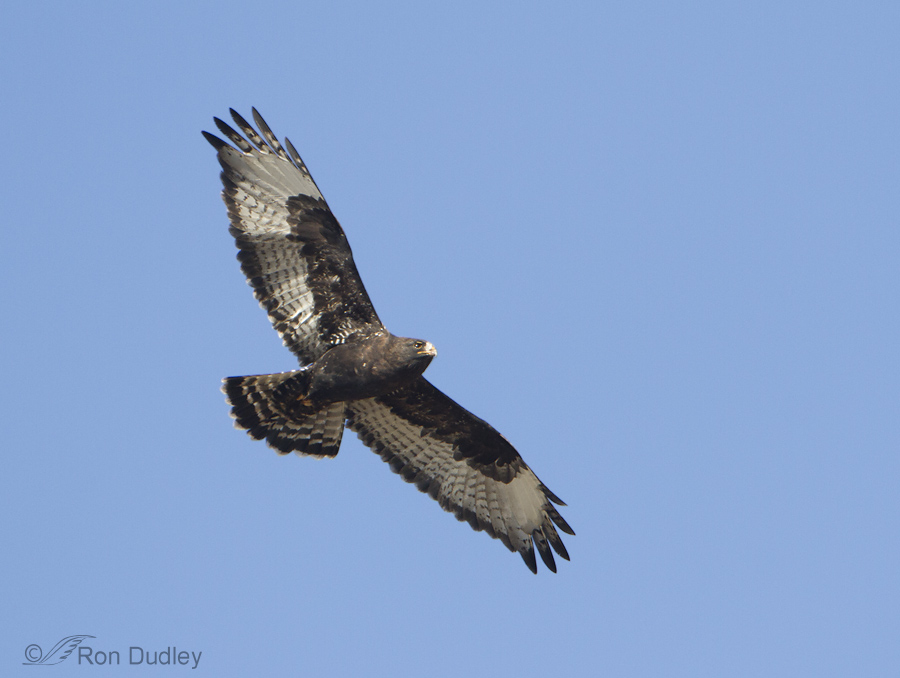
I’ve only had two reasonably good chances at the dark morph of the Rough-legged Hawk and one of them was a highly unexpected encounter two weeks ago.

I’ve only had two reasonably good chances at the dark morph of the Rough-legged Hawk and one of them was a highly unexpected encounter two weeks ago.
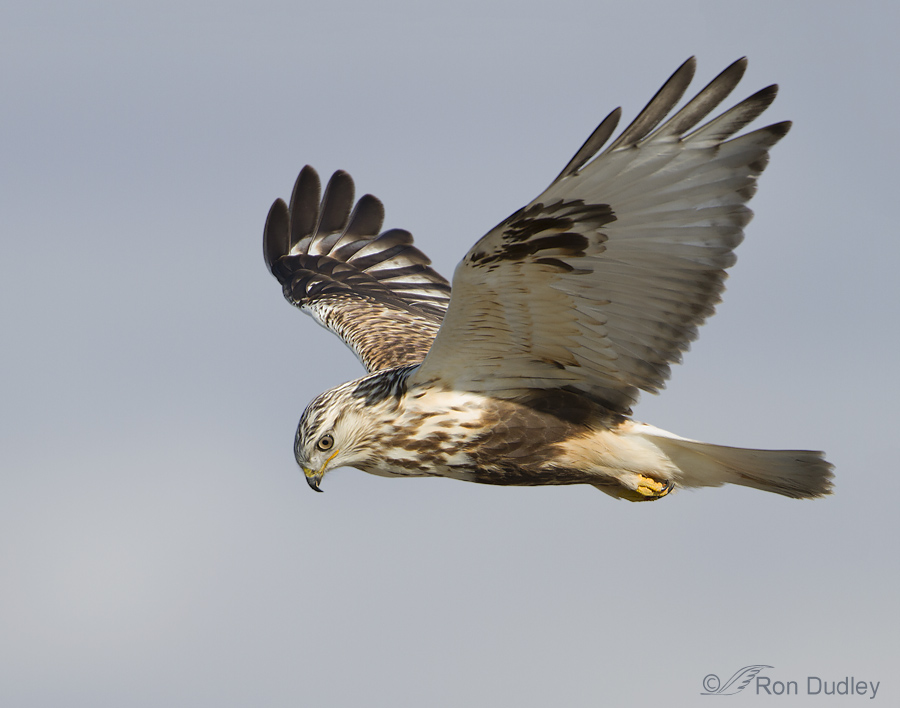
Like some other buteos, depending on conditions the Rough-legged Hawk may hunt from the air using flapping/gliding flight or from an elevated perch but their tendency to hunt in flight goes up significantly with increasing wind speed. This makes sense because hovering in the wind requires less energy than flapping flight.
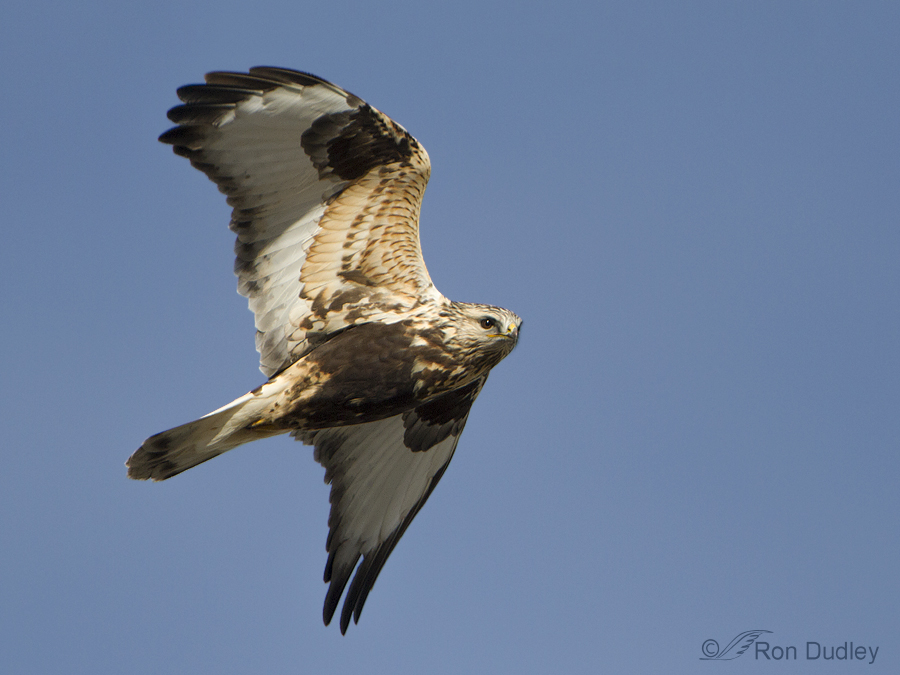
Yesterday morning I was able to get my first decent Rough-legged Hawk images of the season. It’s a good thing too because this was the only cooperative bird I found all morning.
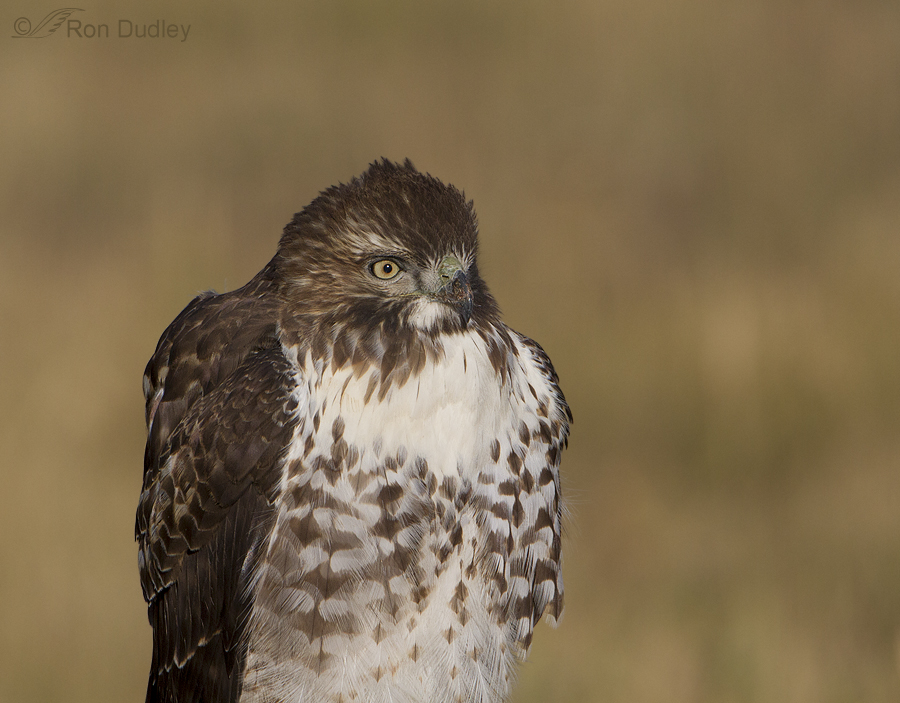
My plan this morning was to make a simple, single image post but with a snowstorm predicted for today I began to reminisce about my last Montana camping venture and decided to take a trip down memory lane with this post. I hoped to make one last visit to Montana before winter set in but I’ve now faced the grim reality that it just isn’t going to happen. These images were all taken in mid-September in and near the Centennial Valley.
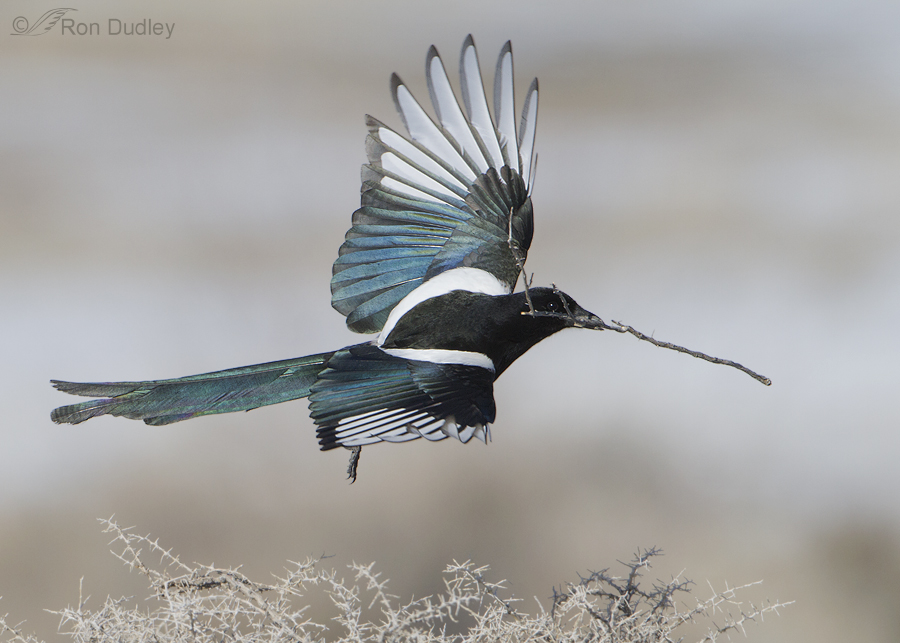
One of the reasons I like to see iridescence in Black-billed Magpies is that it brings out detail in those areas of the deep blacks where you normally don’t see any. Flight shots are inherently more difficult than static shots but ironically I find it easier to get the iridescence to show in flight than I do when they’re perched.
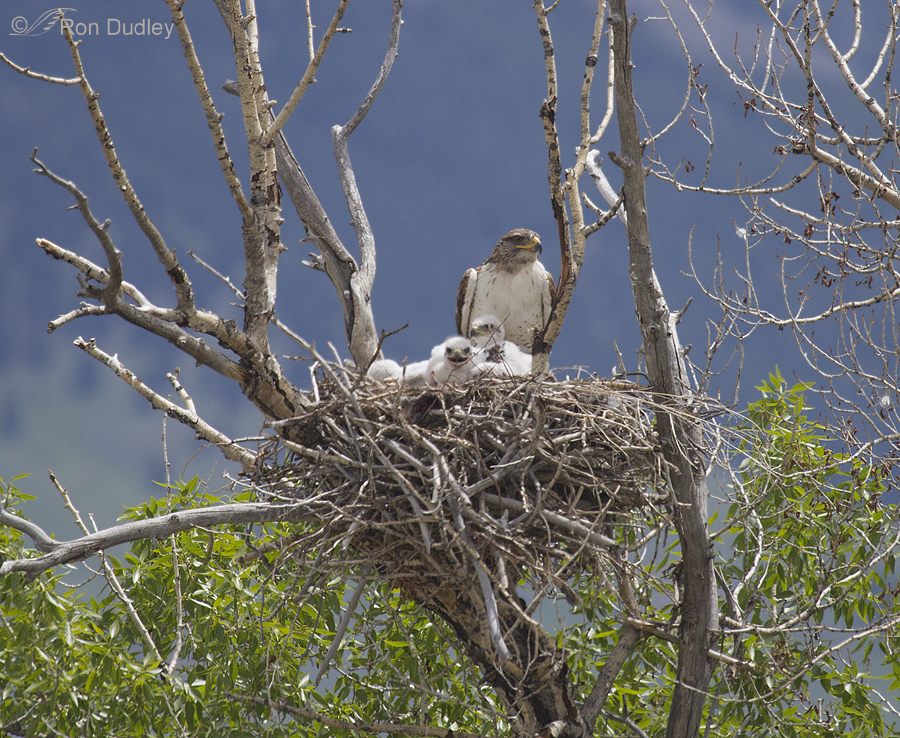
This past summer I photographed several active Ferruginous Hawk nests and was impressed by their size differences and the variation in elevations of the nests from the ground. Each of these nests was photographed in southwest Montana in June of this year.
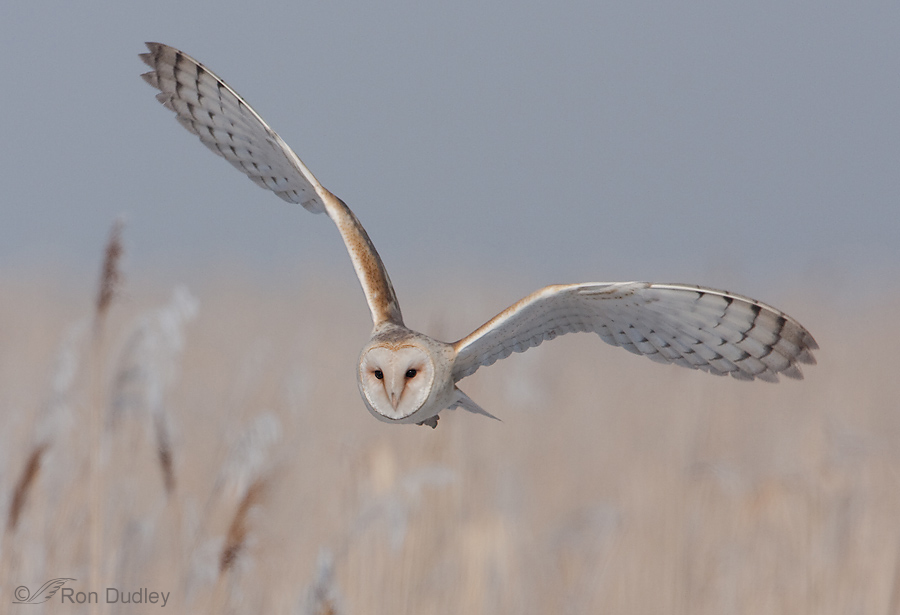
I have a complicated relationship with Phragmites. Though some strains are native to North America, much more vigorous invasive varieties from Eurasia haven taken over many of our wetlands and proven to be extremely difficult to control. Dense “reed stands” of Phragmites with their dramatic seed plumes waving in the breeze can be strikingly beautiful but they’re a huge problem in our wetlands.
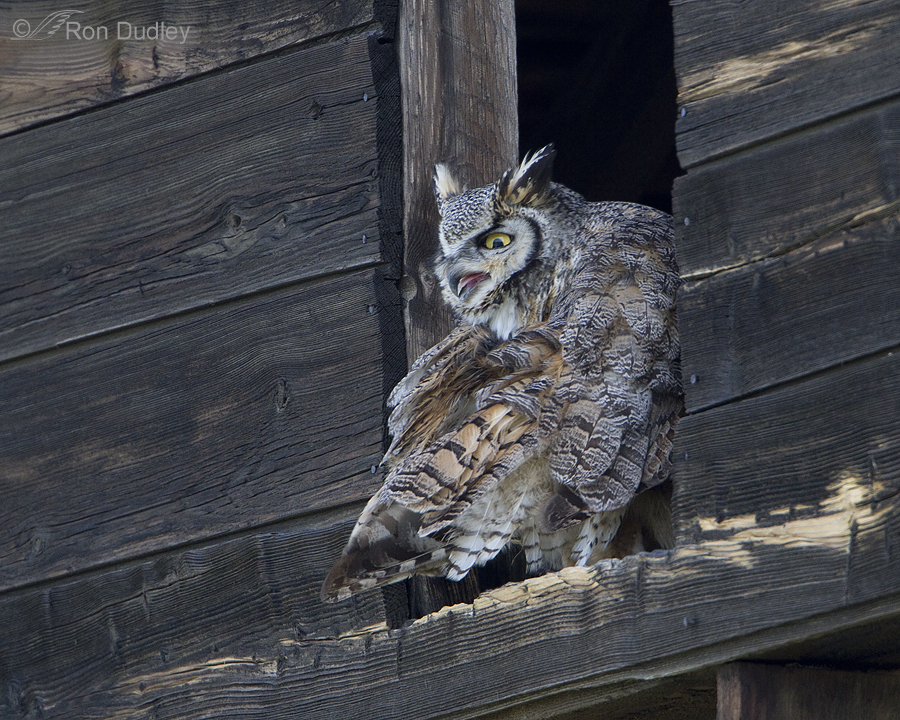
This year I decided to make an attempt at getting into the Halloween spirit with this Great Horned Owl image. I think this birds “blown” eye contributes to the effect.
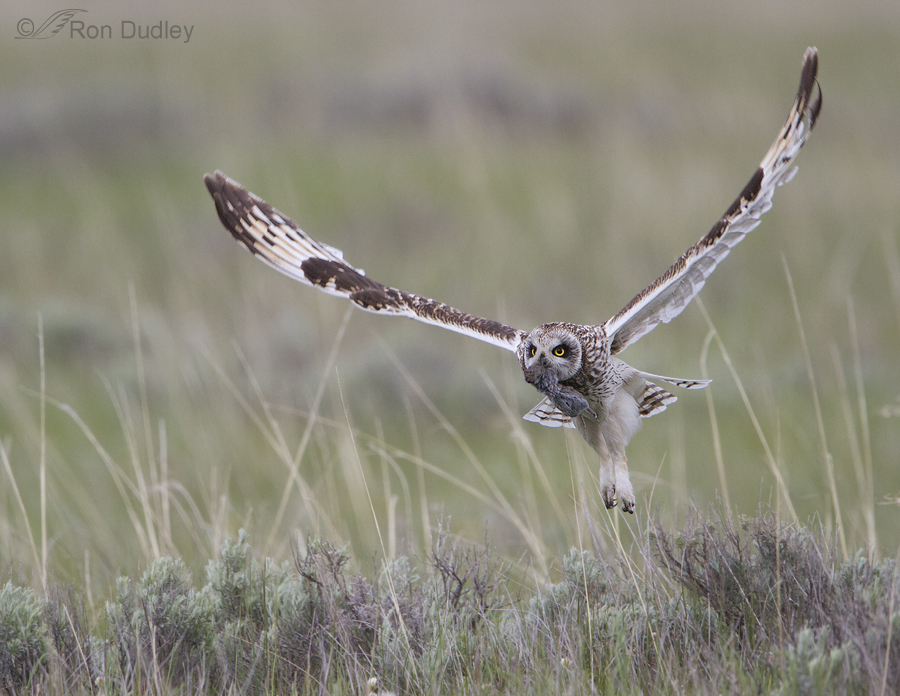
I have many images of Short-eared Owls carrying prey in their talons in flight but very few where they’re carrying the prey in their beak. This is one of them.
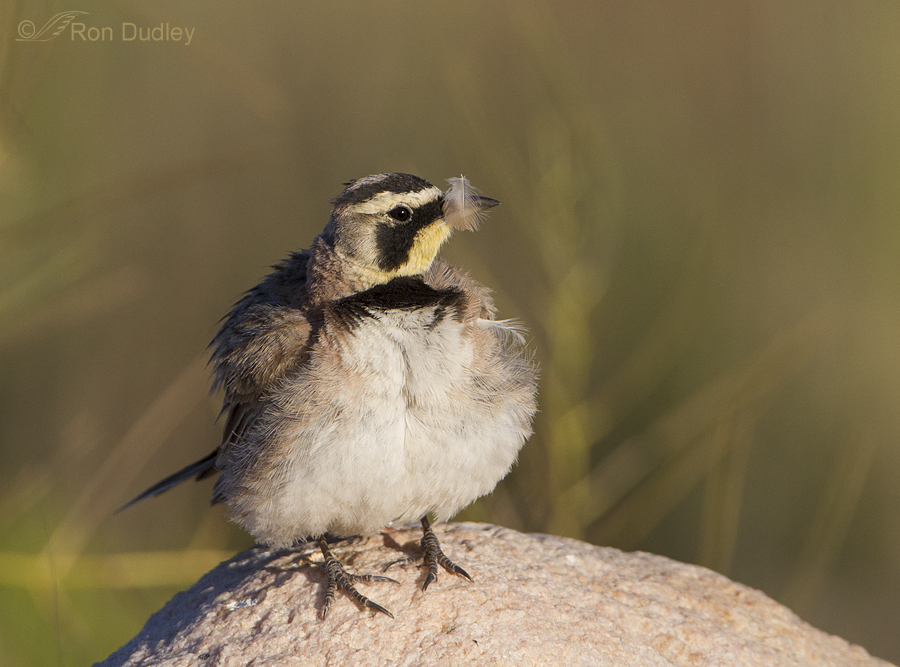
Nothing serious this morning – just a couple of interesting and slightly amusing observations.
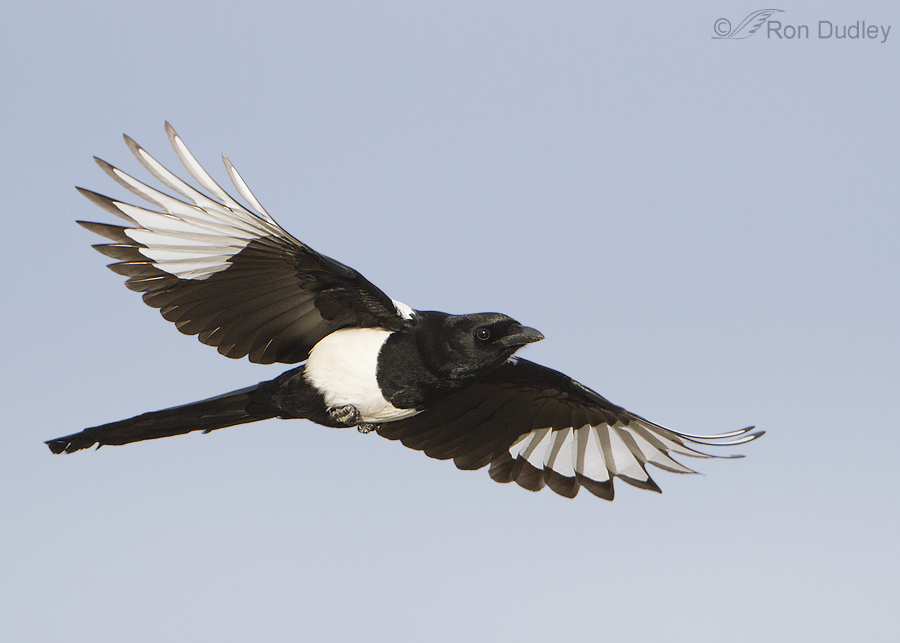
Magpies aren’t among the most glamorous of birds so they don’t get a lot of attention from photographers but I enjoy them for their fascinating behaviors, their gutsiness and their apparent intelligence. And if you want a particularly challenging photographic subject you can’t go wrong with the Black-billed Magpie.
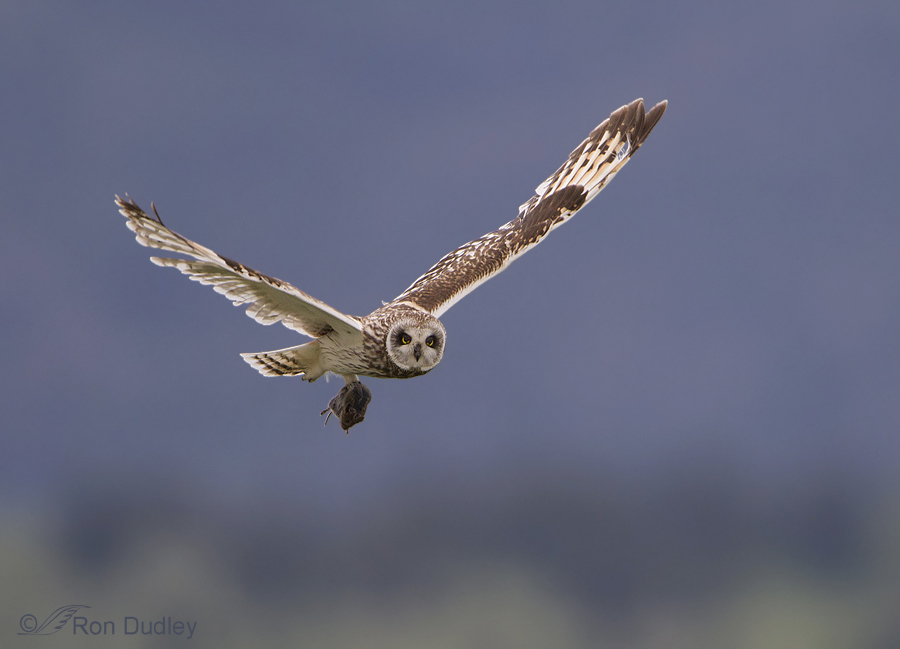
Handedness is a preference for using one hand (or limb) as opposed to the other. It’s a phenomenon many of us associate strictly with humans but other vertebrates can also show handedness, including birds. For example, many parrot species have a strong and consistent preference for using their left foot when bringing food to the beak.
Based on my own observations in the field I believe that Short-eared Owls may also display handedness.
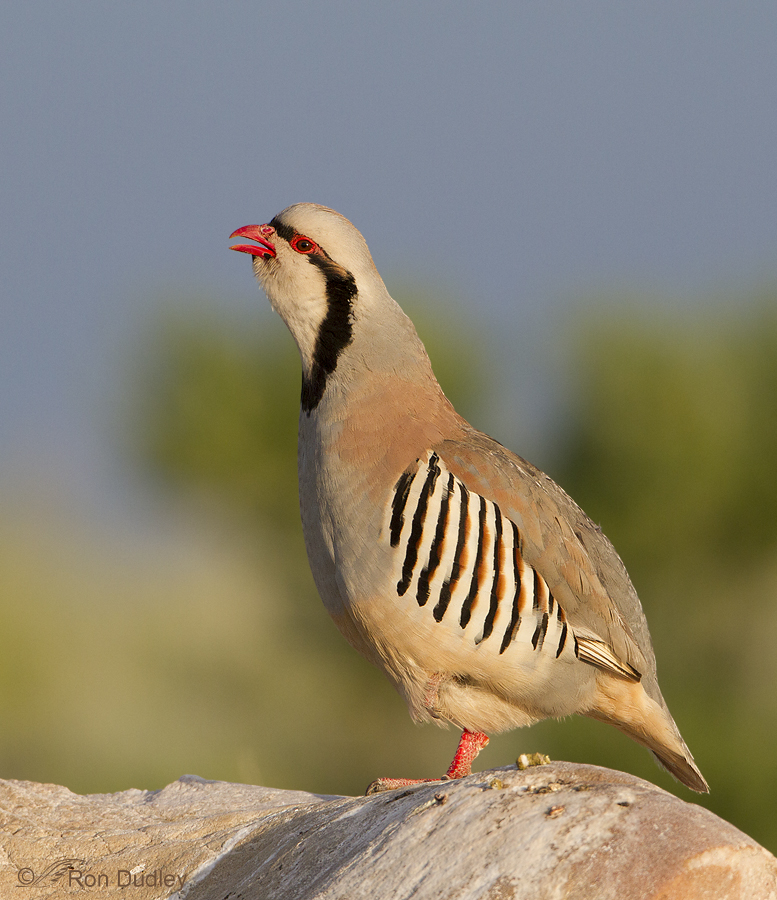
Chukars continue to be one of my preferred subjects during the winter and spring due to their distinctive and colorful plumage and their often comical behavior. They are abundant on Antelope Island and even somewhat approachable there – at least in comparison to their skittish and wily ways elsewhere (hunters consider them to be among the most challenging of upland game species).
This past summer I posted these first two Loggerhead Shrike images as evidence that the ventral colors of the species change from white to almost black as the summer wears on and asked my readers why this occurs. Several responded with a logical explanation.
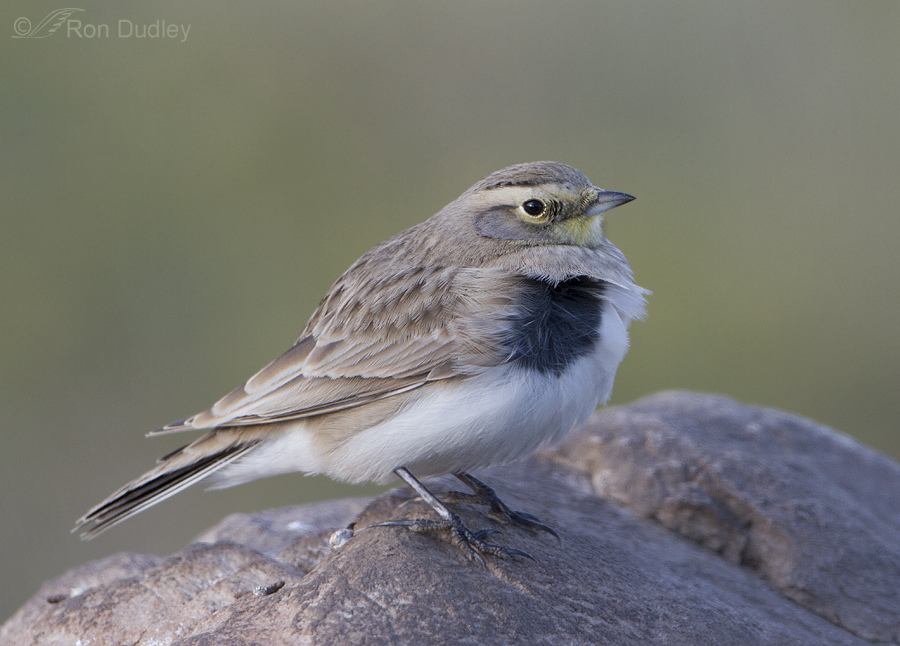
Three days ago I photographed a Horned Lark that may demonstrate that those readers were right.