Lark Sparrow – The Sparrow With The Harlequin Face
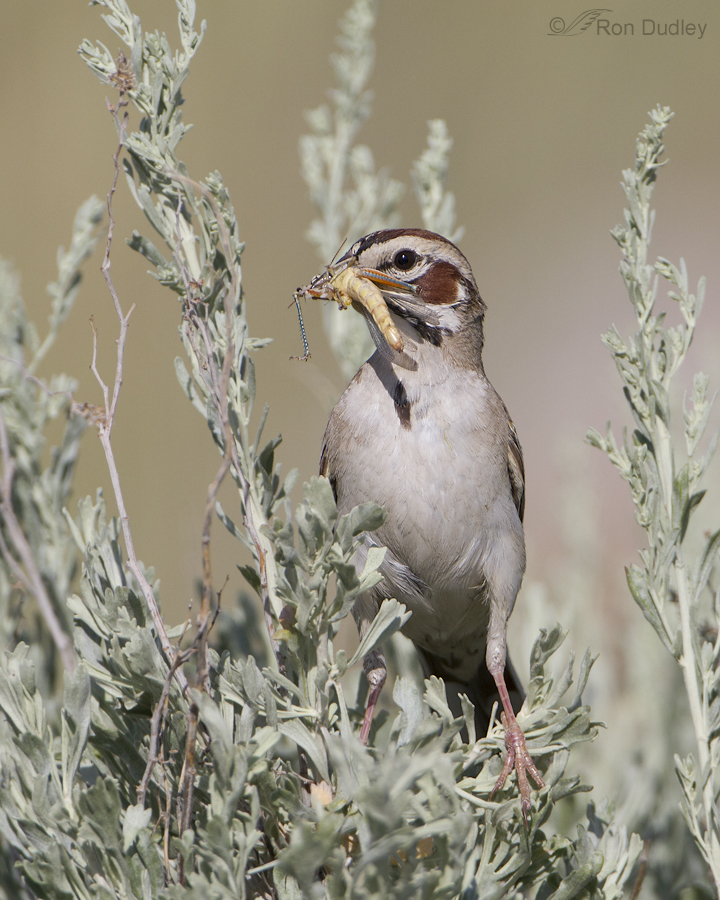
Lark Sparrows are among my favorite songbirds to photograph, largely because of their boldly patterned face and head. Those dramatic chestnut, black and white markings make it one of the easier sparrows to identify and give it that harlequin look. This species has declined precipitously in the East but its populations seem secure in the rest of the continent where they’re naturally found.
Continue reading

Owl Head-on Flight Shots Don’t Have To Be Baited

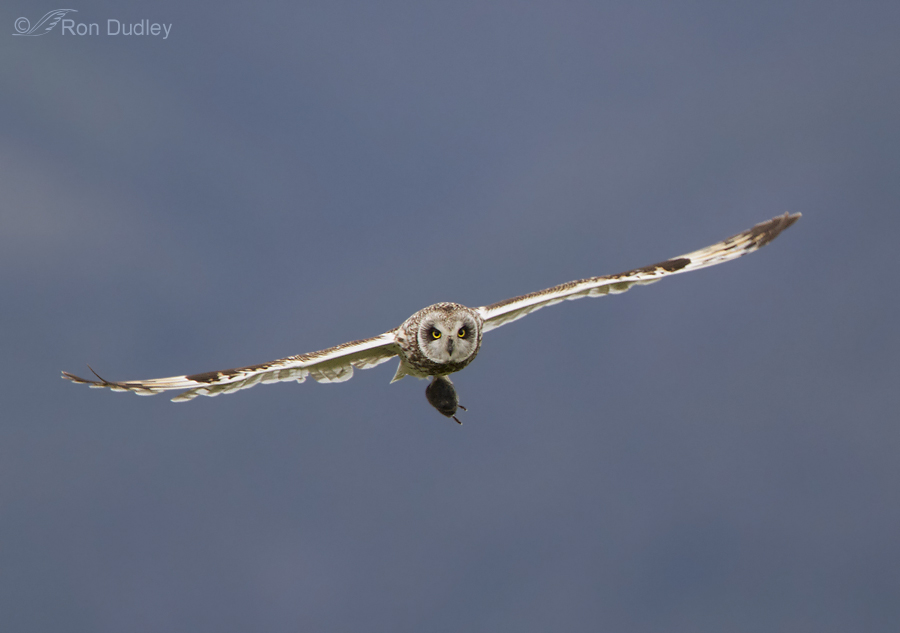
Head-on flight shots of owls have often been baited using live, store-bought mice. I’m of the opinion that baiting raptors is not only unethical (a debate I’d prefer to not get into here) but unnecessary for those kinds of images. However they typically require patience, intimate knowledge of the subject, a keen eye for interpreting behavior and even a little luck.

Continue reading

Some Interesting Coyote Behaviors

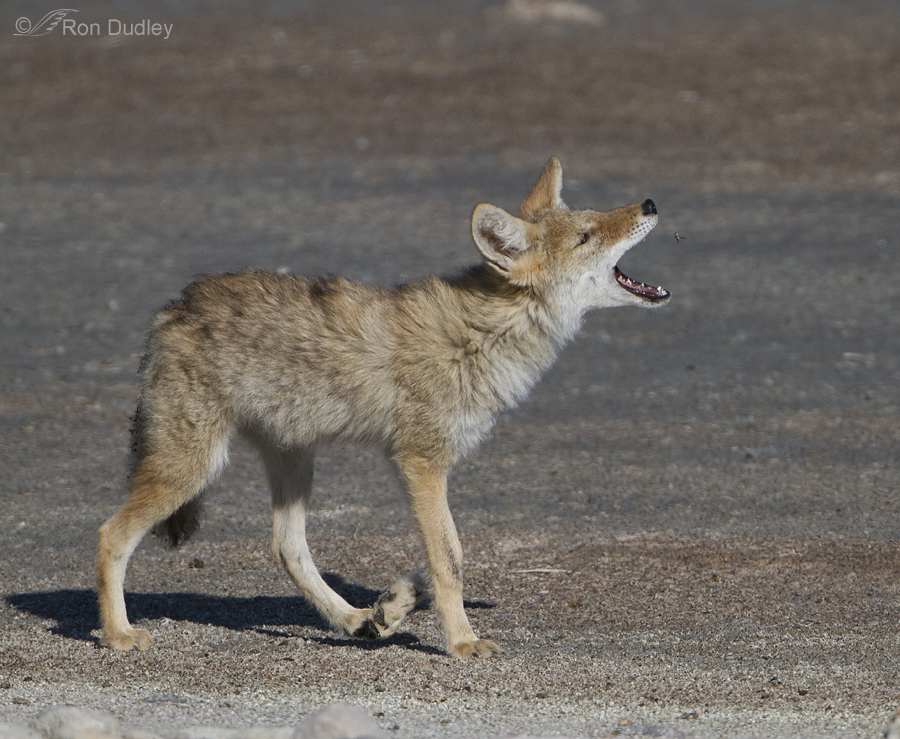
Late last week we encountered two coyotes walking east along the north side of the Antelope Island Causeway. One was a very light-colored adult and the other a slightly darker and smaller youngster. This summer has been a mighty survival struggle for the island’s coyotes – the vole populations crashed and the extreme heat and drought have taken their toll. These two actually seemed forlorn and destitute in both posture and demeanor as they walked the shore of the causeway. But they did show me several interesting behaviors that I was able to photograph.

Continue reading

What’s Happening To Our Kestrels?

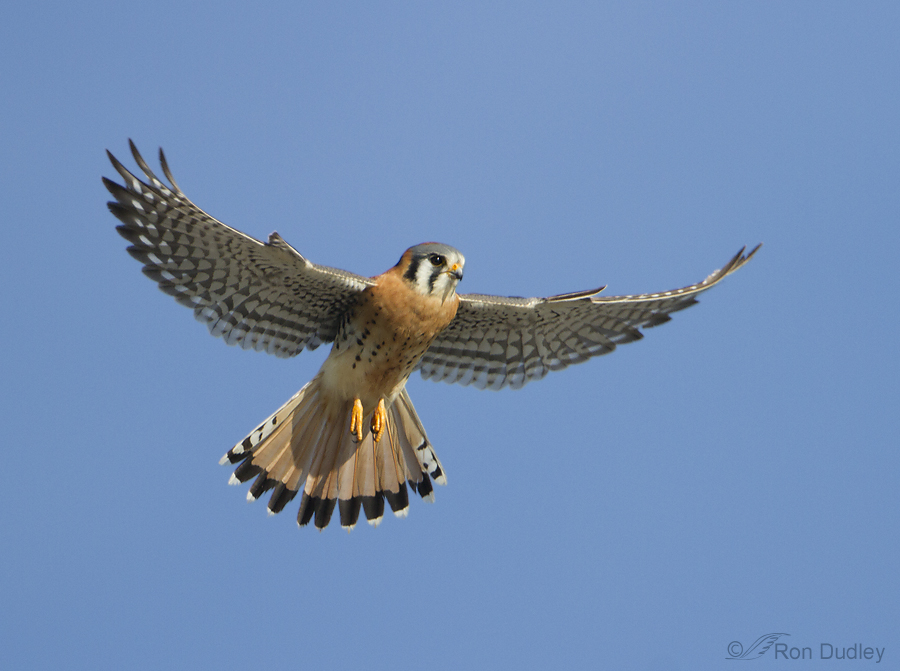
Recently I’ve been reading some disturbing reports about the decline of the American Kestrel in North America. And I’m talking about a drastic decline! I’ve speculated about just that in a previous post, based on my own recent observations in northern Utah but I’ve been hoping that what I’ve noticed is only a local and temporary phenomenon. Apparently it isn’t.

Continue reading

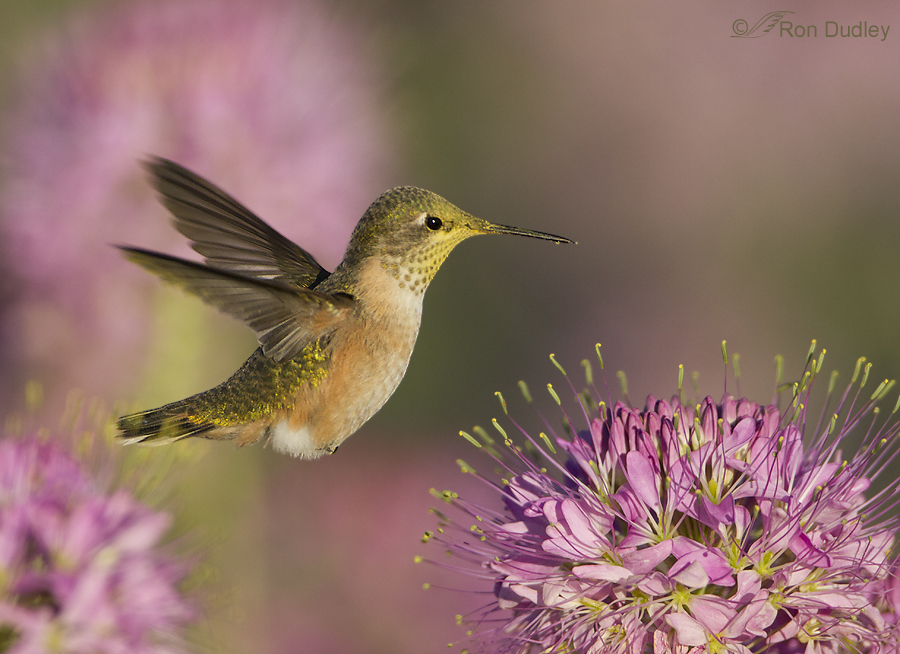
My Third Day With The Antelope Island Hummingbirds

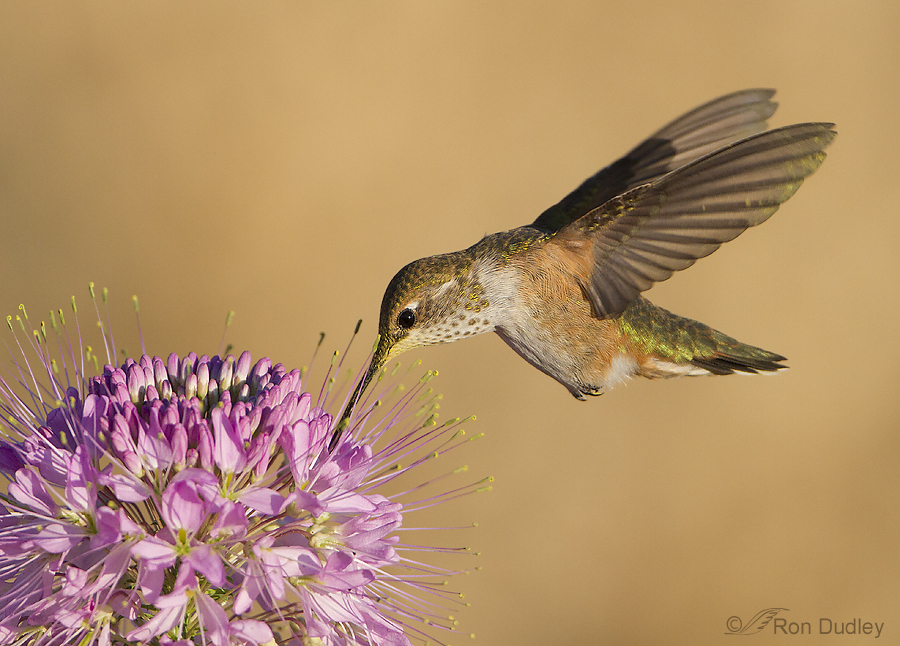
I spent three mornings with the Hummingbirds of Antelope Island last week. Each day the number of birds and amount of activity declined so I’m thinking some of them are already moving out. All but one of these images are from the third day.

Despite my lack of experience shooting hummingbirds I’m already developing preferences for settings and backgrounds when photographing them. My tastes are sometimes overwhelmed by all the flower color, especially when there’s so many flowers and they’re all the same color so I like as much variety as I can get in my backgrounds. Shades of pink have never been my favorite colors…

Continue reading

Why Did The Red-tailed Hawk Stand On The Road?

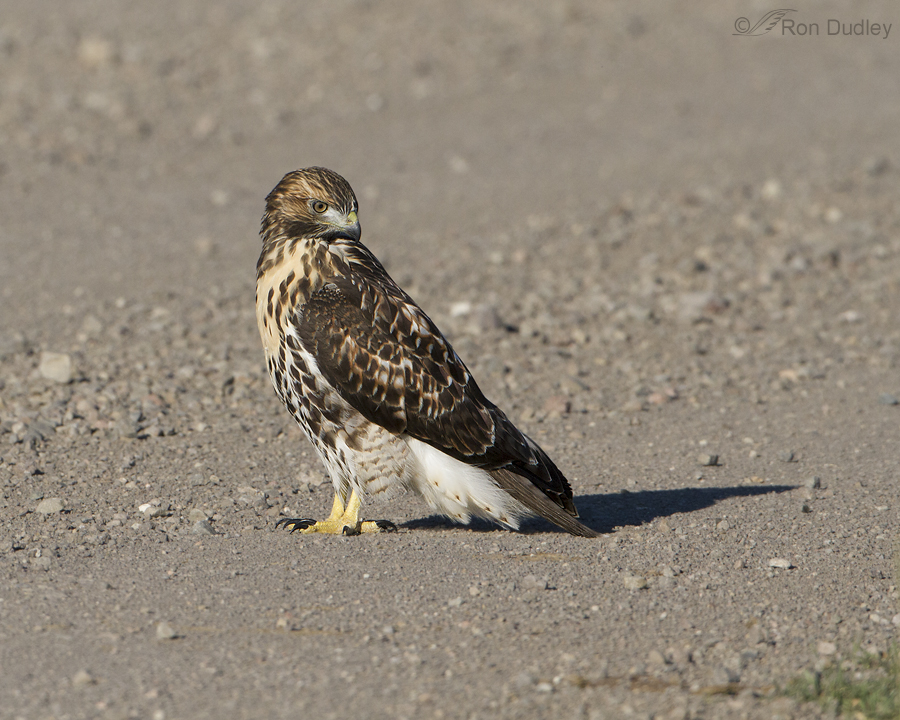
A little over a month ago I found this juvenile Red-tailed Hawk just standing around on a gravel road in the Centennial Valley of Montana. It’s behavior seemed at least a little odd because I’d never seen this species act so nonchalant when perched so low for so long – especially on a road.

Continue reading

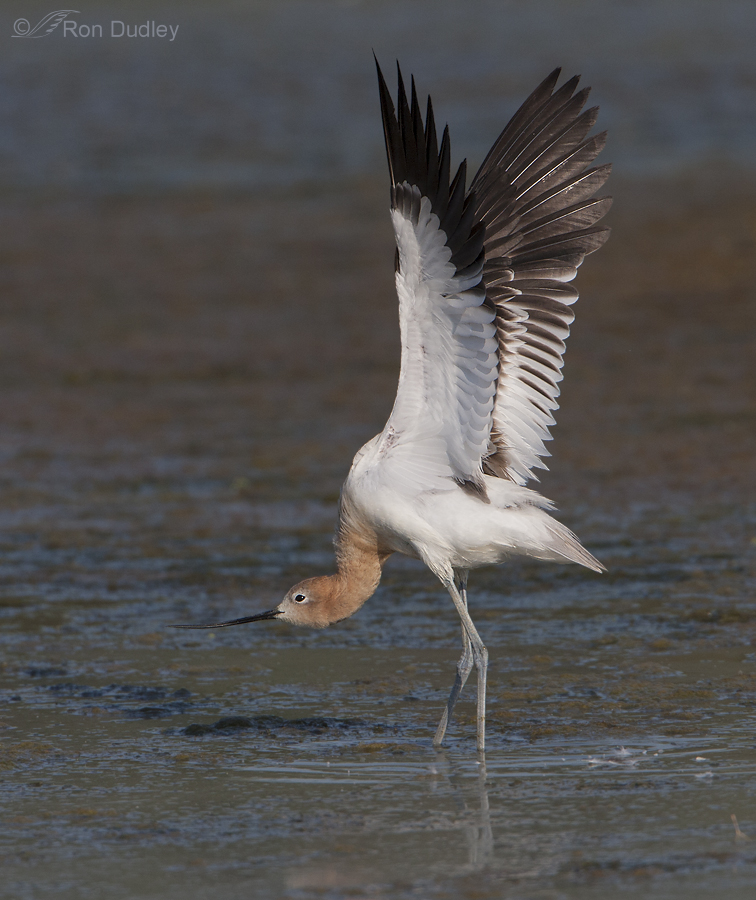
Avocet Wing-stretch – A Predictor Of Behavior

In my experience American Avocets have two primary “styles” of stretching. When they stretch a single wing they extend it to the side with one leg stretched out behind. But they also use what’s called the “two wing stretch” and this style is often a precursor of imminent behavior – takeoff.

Continue reading

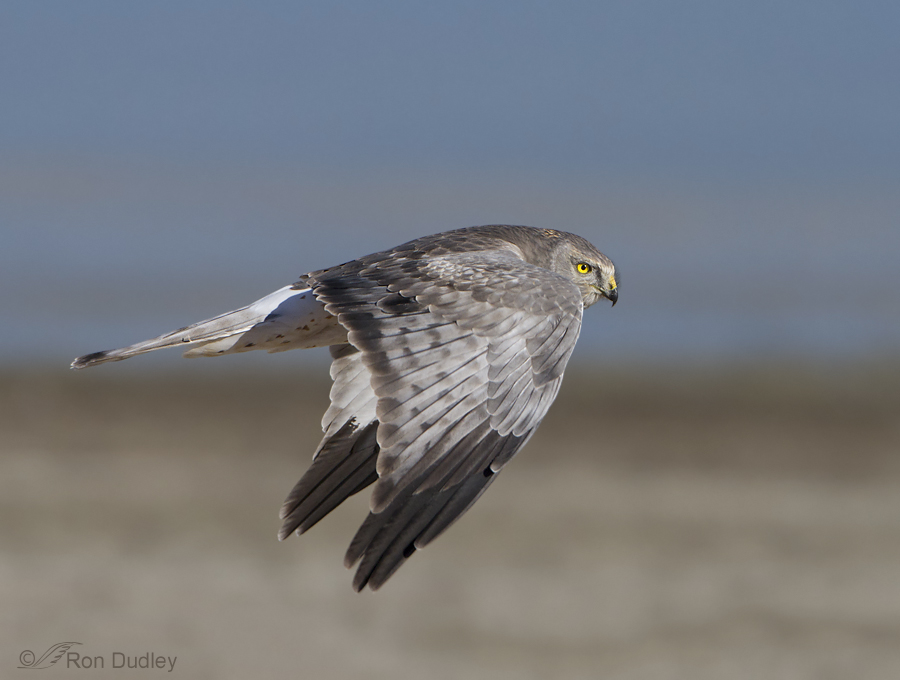
Male Harrier Cruising The Causeway

I have a strong affinity for Northern Harriers ( a little secret that’s difficult to conceal, given the vanity plates on my pickup). And though I love to photograph either sex there’s just something about the adult males that has a special appeal for me. Part of that attraction is probably the relative rarity of the adult male colors since the juvenile colors of both sexes resemble that of the female.

The males are called the “gray ghost” for good reason.

Continue reading

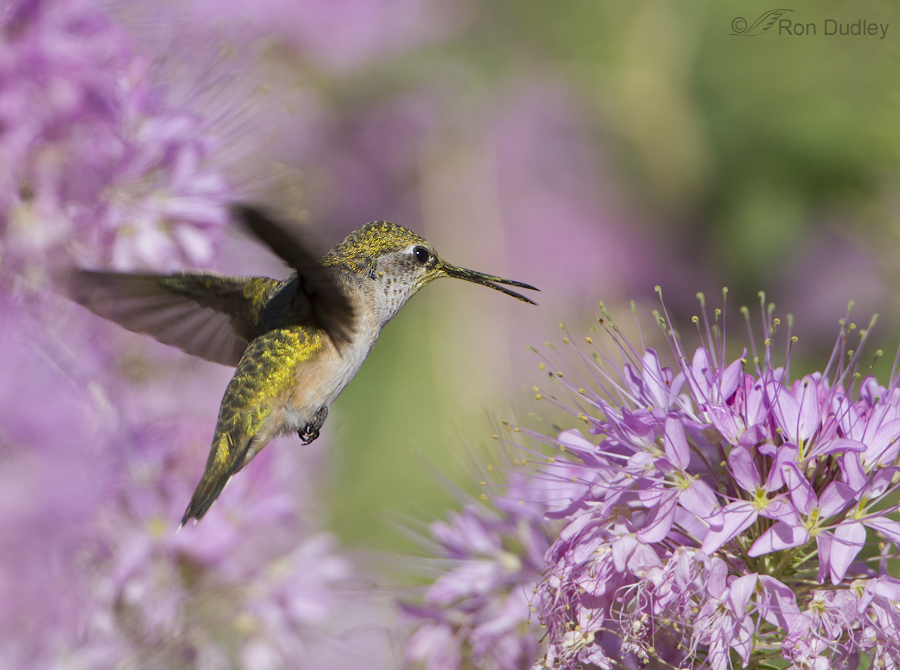
Hummingbirds, Butterflies And Rocky Mountain Bee Plant

Yesterday morning on Antelope Island hummingbirds were buzzing frantically over clumps of Rocky Mountain Bee Plant, a species of Cleome that produces copious amounts of nectar so it attracts hummingbirds, butterflies, bees and wasps. All four were present. As a biologist I enjoyed watching the natural processes at work here. The long, showy pollen tipped stamens and deeply buried nectar, when combined with the long bill of the bird, are the perfect combination to suit some of the biological needs of each species. The hummers were often covered with pollen.

Continue reading

Odd Growths On The Face Of A Pronghorn

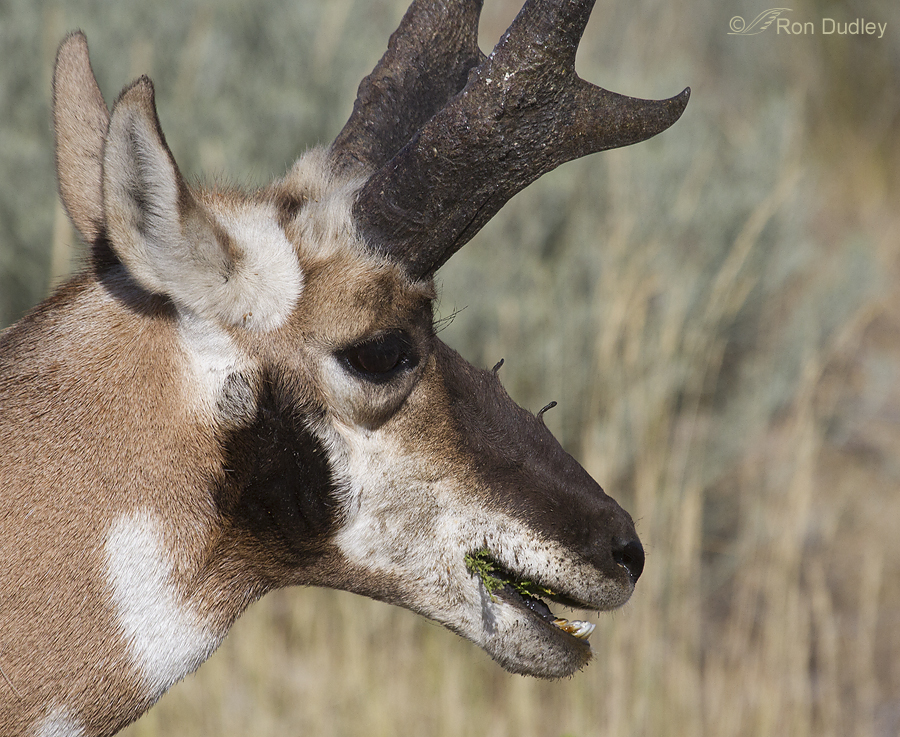
Earlier this month we encountered an unusual male Pronghorn on Antelope Island. Close inspection through our lenses revealed something that caught our attention – this animal had two strange-looking projections apparently growing out of the top of its muzzle. .

Continue reading