
White-crowned Sparrow Attempting To Feed In The Wind
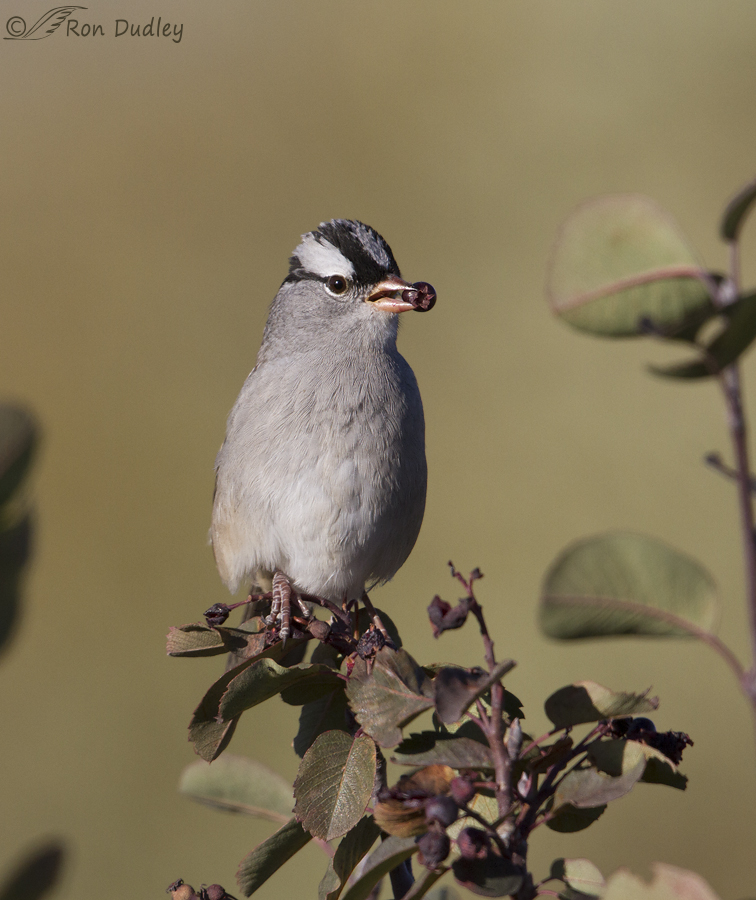
I photographed this adult White-crowned Sparrow near a campground at Red Rock Lakes National Wildlife Refuge last month as it tried to feed on berries in a stiff breeze.

I photographed this adult White-crowned Sparrow near a campground at Red Rock Lakes National Wildlife Refuge last month as it tried to feed on berries in a stiff breeze.
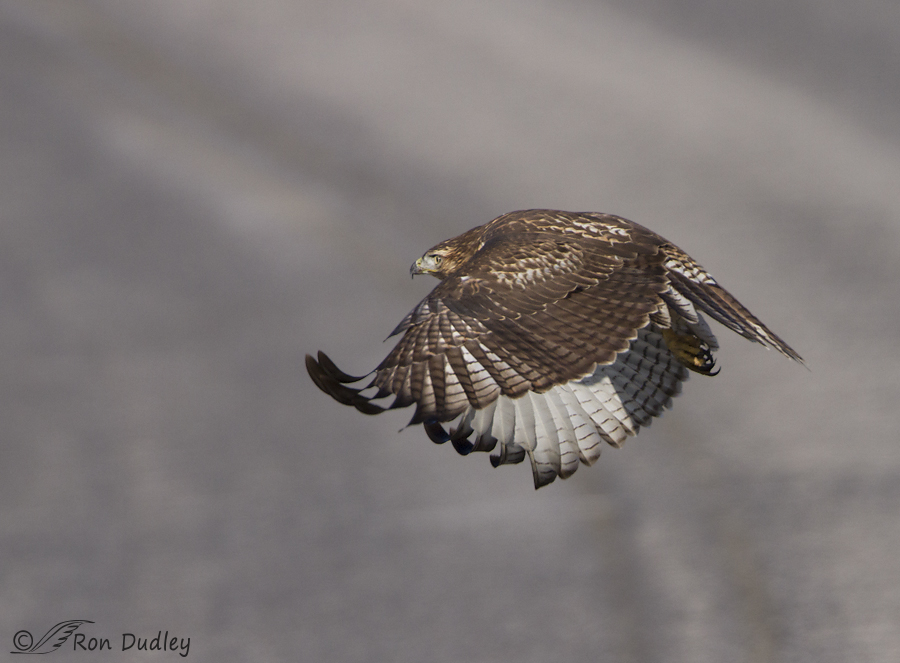
Sometimes when I’m photographing birds I find myself wondering “Why did that bird do that?”. Arriving at a reliable answer can be an exercise in frustration but often I can’t help myself, even when the behavior in question is a trivial one.
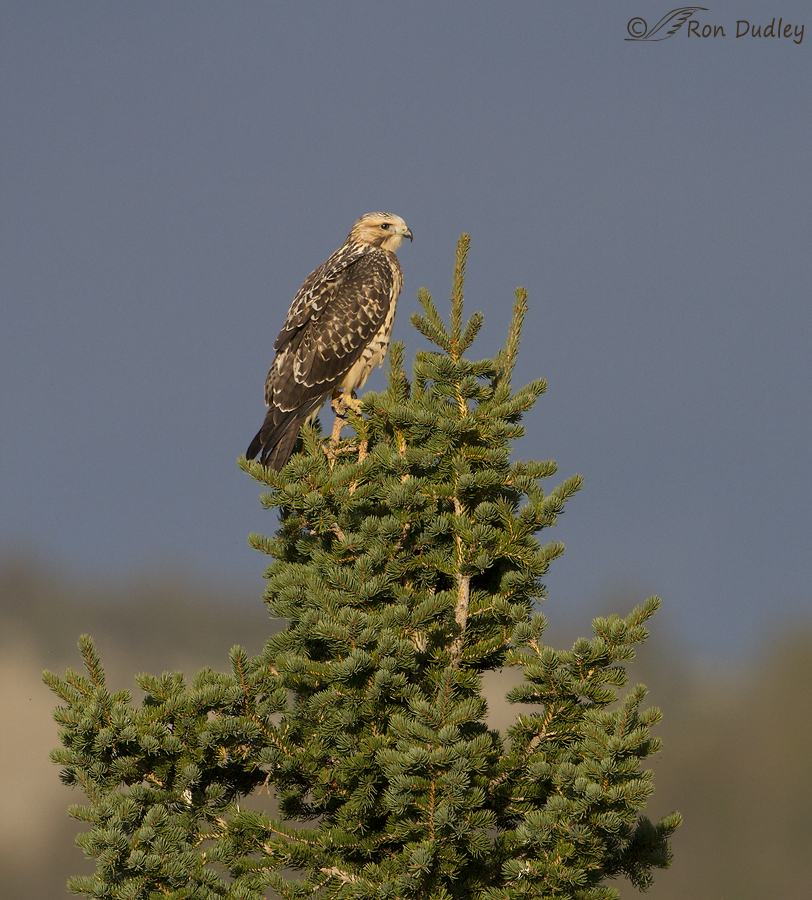
This lonely fir tree at the east end of Montana’s Centennial Valley has had some interesting history over the last several years.
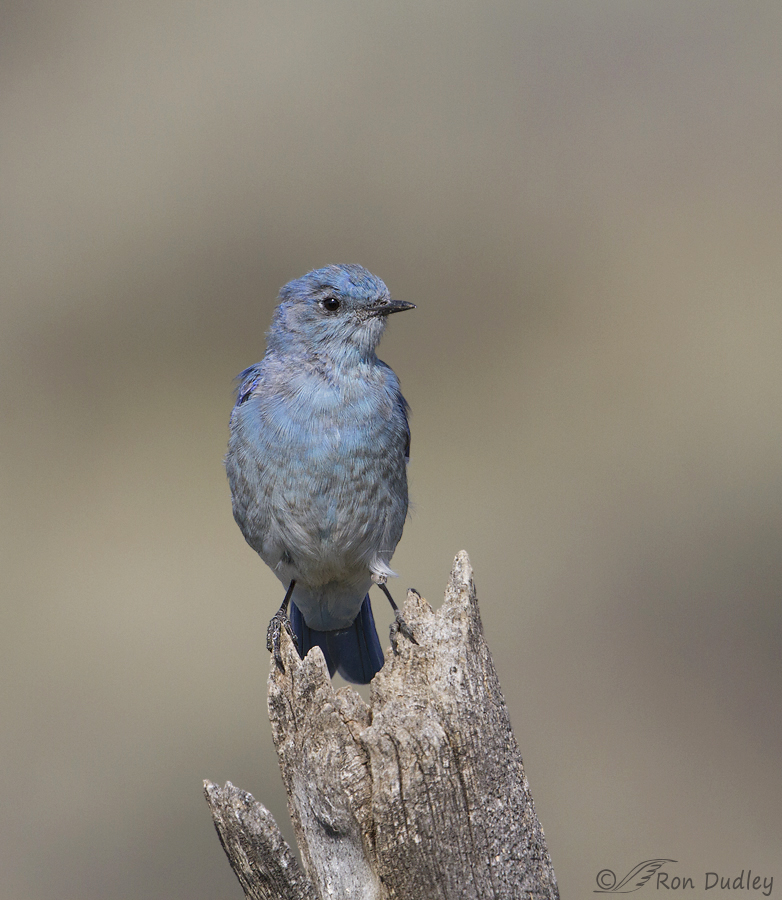
Conditions are tough in the Centennial Valley of Montana, for both the living and the long-dead.
I realize that this image isn’t likely to have universal appeal, partly because the bluebird is in pretty rough condition. But so is the fence post and there’s just something about that visual congruity that grabs me.
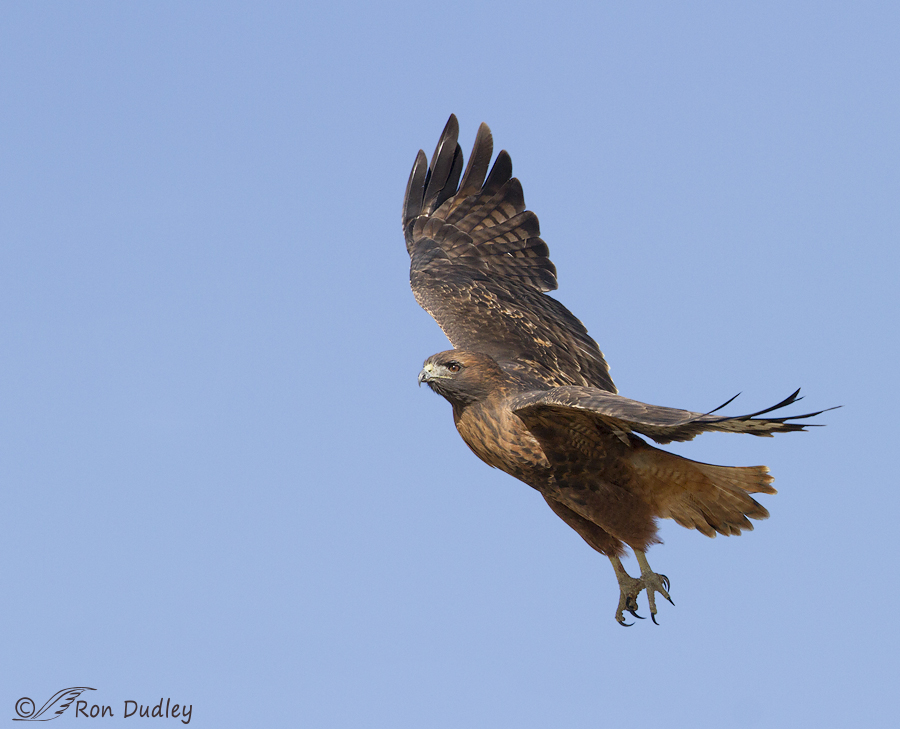
Sooner or later every serious nature photographer must confront the question – How much image alteration during processing is ethically “too much”?
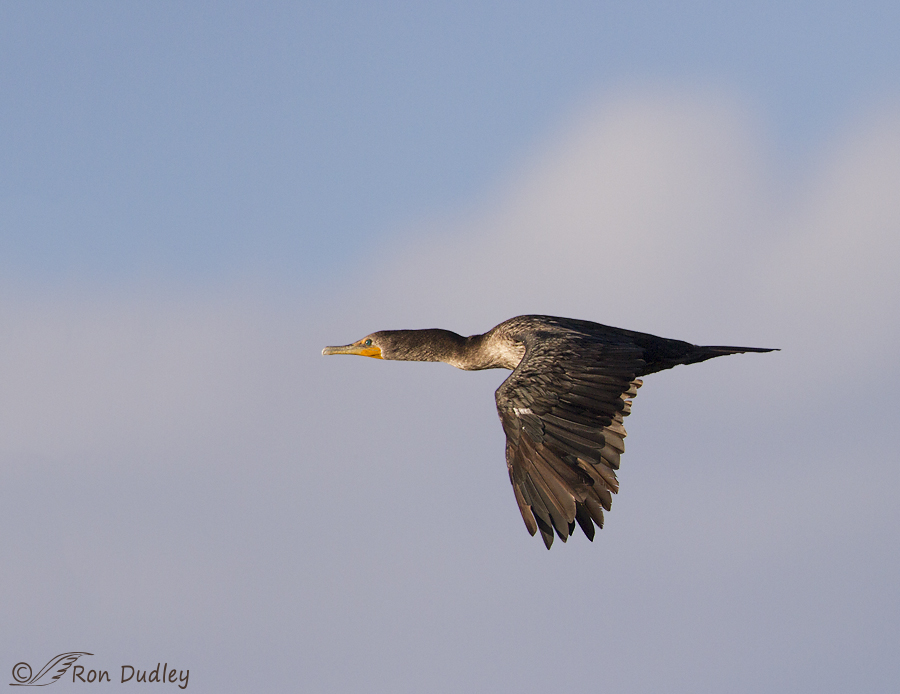
I’m not much of a fan of plain blue sky backgrounds for flight shots and on this morning I was resigned to such an outcome in any flight shots I might get because the sky was virtually cloudless. But just as I snapped the shutter this bird passed by one of the few small clouds to be found anywhere and there was even a tinge of pink provided by the color of the rising sun.
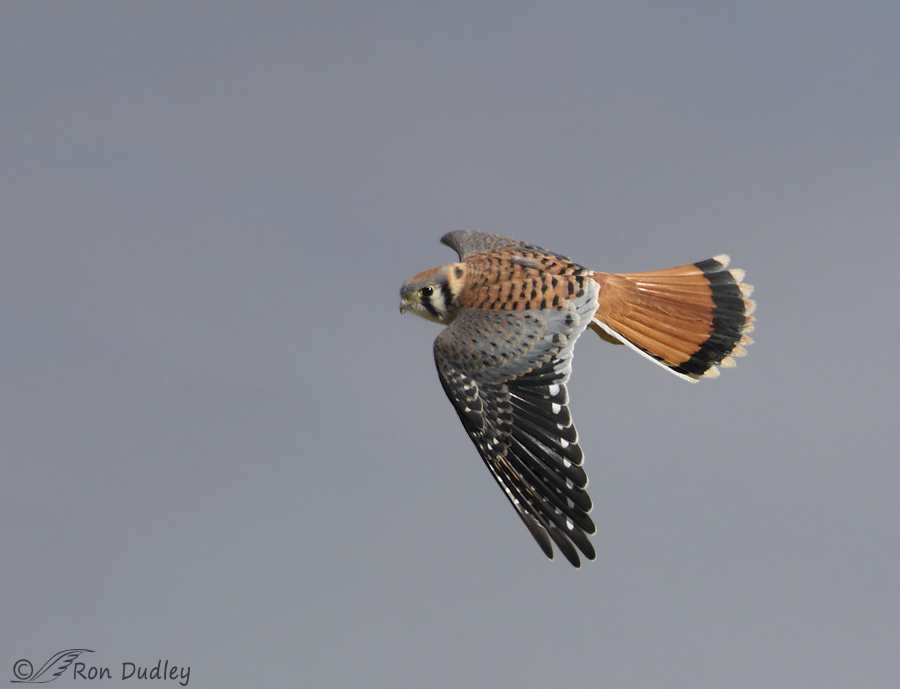
American Kestrels have long been North America’s most abundant bird of prey but over recent decades their numbers have declined precipitously. For that reason I pay particular notice to kestrel numbers when I return to the same area year after year and because I spend so much time in southwest Montana that region is near the top of my “kestrel watching” areas.
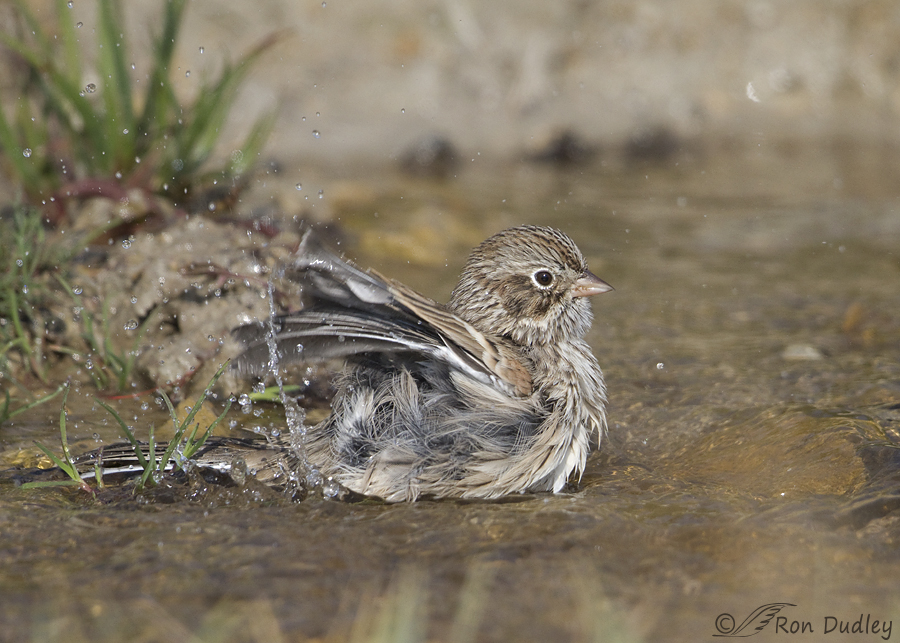
Vesper Sparrows are “dust bathers”. They do it so often that they’re known for having puffs of dust fly off of them when they’re flushed and take off. In fact, Birds of North America Online says they’re “not observed to bathe in water”. This Vesper Sparrow didn’t read the book.
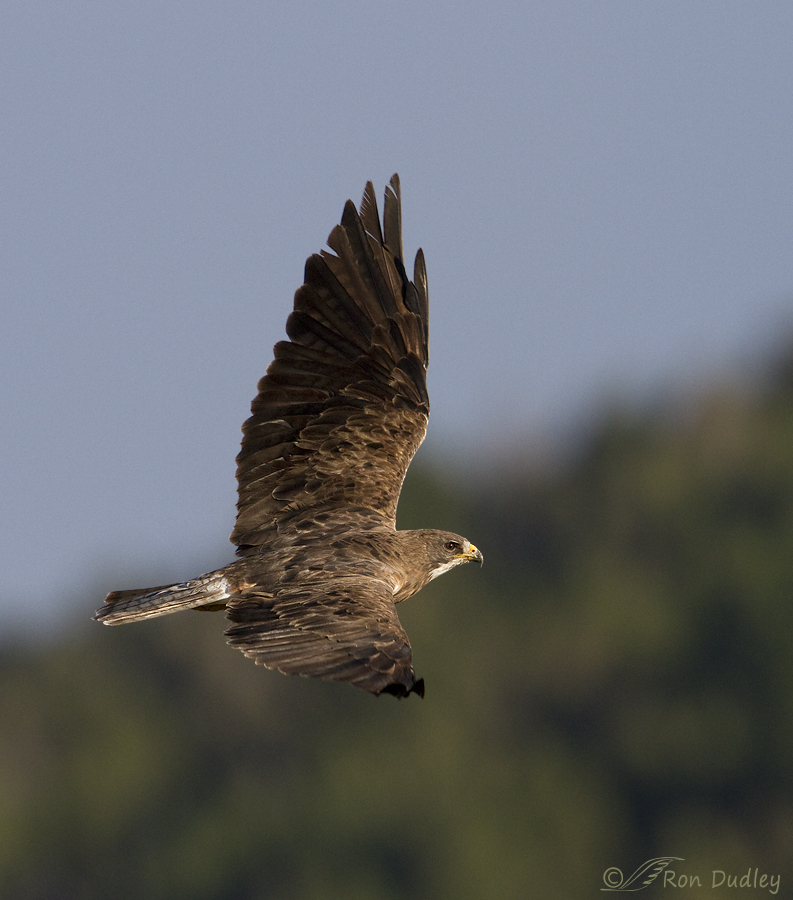
In contrast to my post yesterday of a juvenile Swainson’s Hawk, this bird is an adult. In fact it’s the parent of that juvenile. I seldom post the same species back to back but I thought the comparison might be interesting.
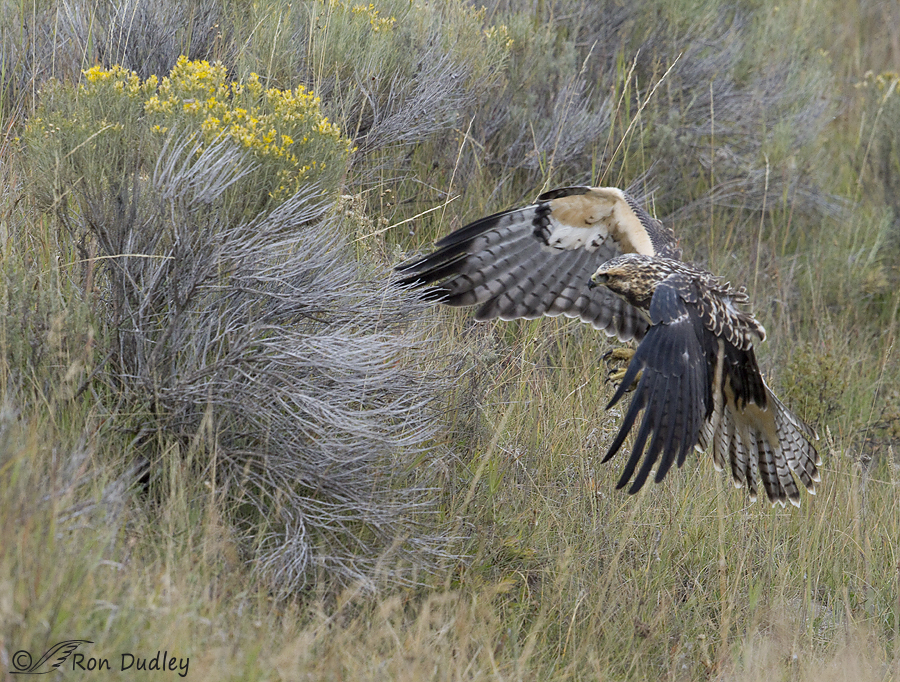
Sometimes raptors risk serious injury as they go after prey – especially to their eyes.
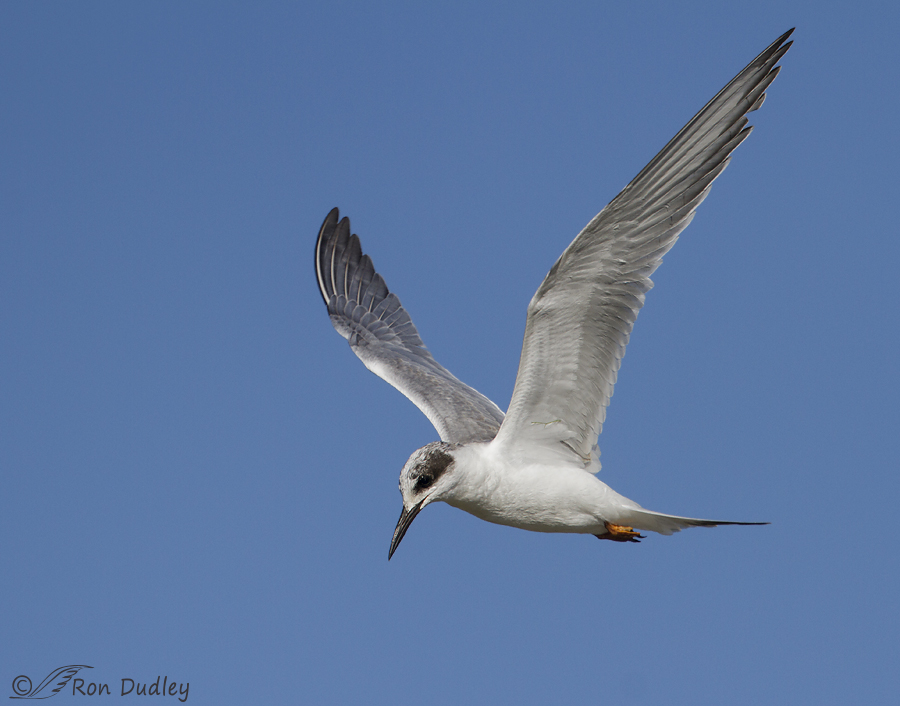
The Forster’s Tern is the only tern that is almost entirely restricted to North America year around. They’re sometimes called “marsh terns” because they breed primarily in fresh, brackish and saltwater marshes, including here in northern Utah. Prior to the Migratory Bird Treaty Act Forster’s Terns were hunted for the millenary trade and because of their habit of hovering over other individuals that had been killed they were particularly vulnerable to being shot.
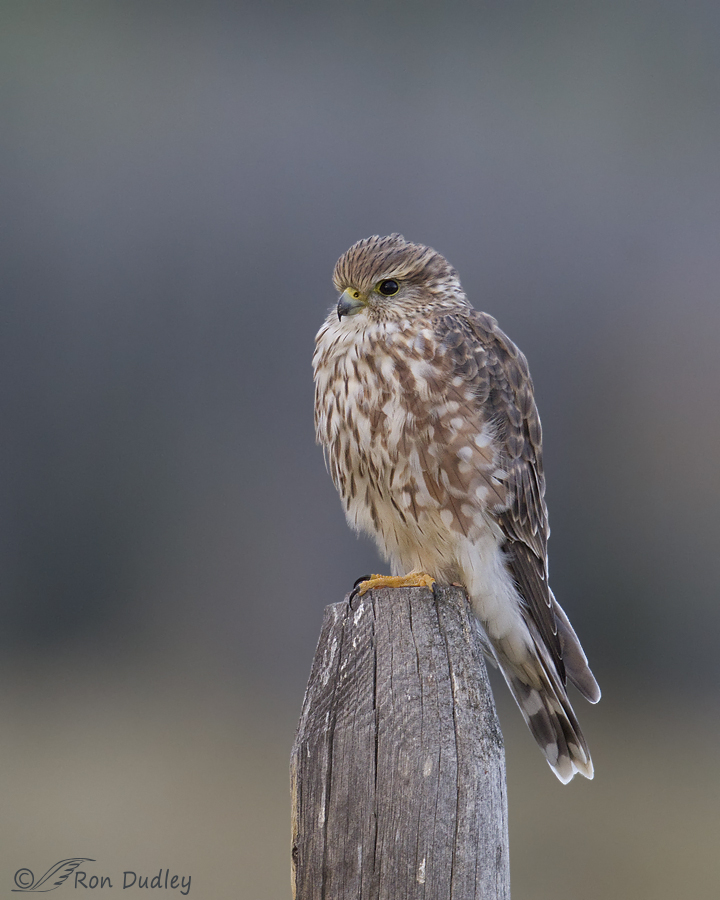
Earlier his month I had two encounters with a Merlin on consecutive early mornings at almost the same location in the Centennial Valley of Montana. These images were taken the first morning.
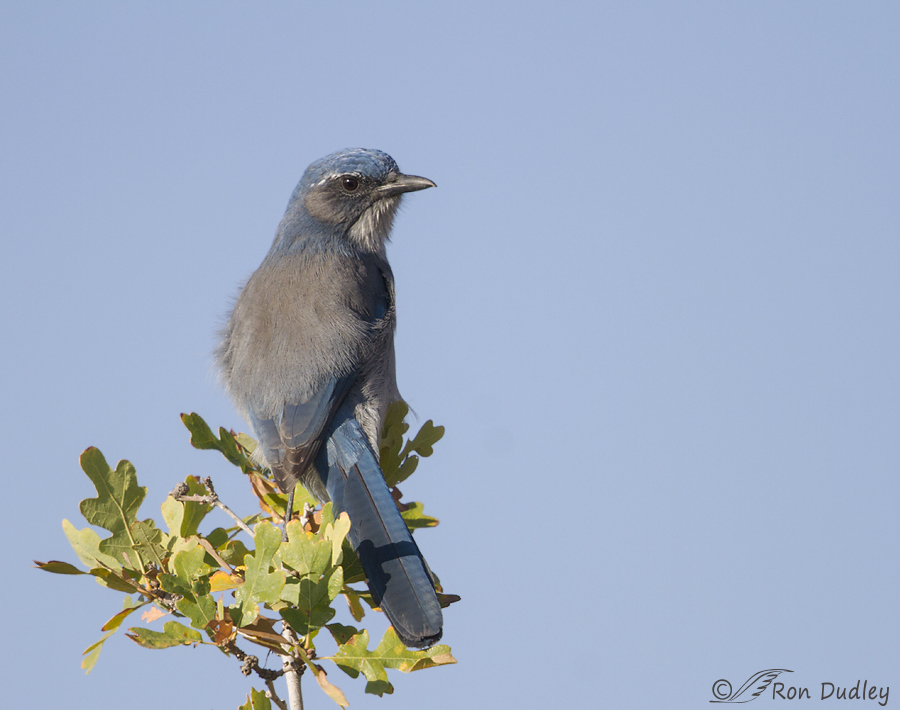
As common as they are in some areas I have very few quality images of Western Scrub Jays. They frequent scrub woodlands dominated by pinon pines or oaks in the west so it isn’t unusual for them to be found in Utah neighborhoods adjacent to the mountains where they sometimes visit bird feeders. I prefer to photograph them in their native habitat but they’re more shy there which partially explains my lack of images of the species.
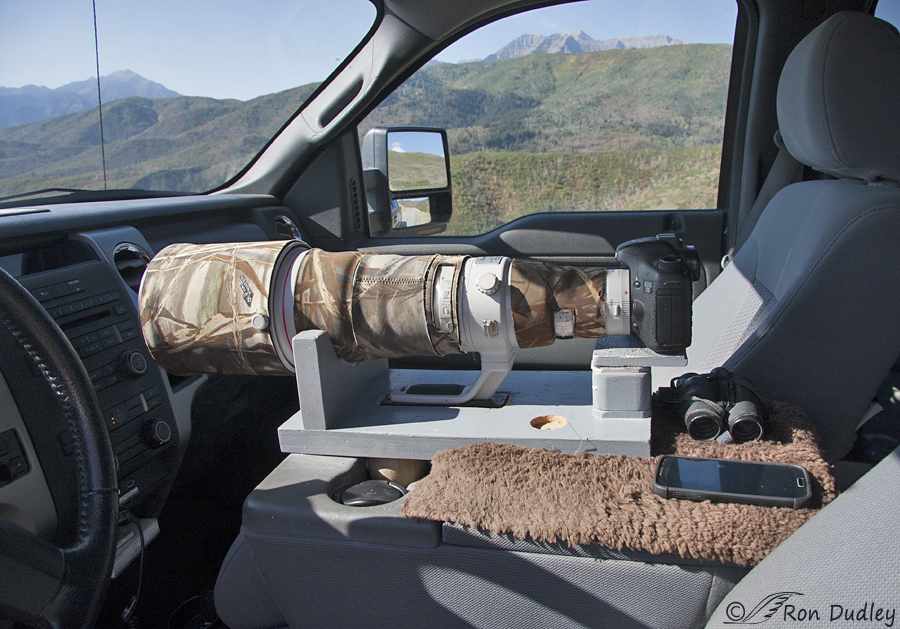
Depending on the types of locations where you typically shoot, using your vehicle as a mobile blind for photographing birds may be a viable, even perfect option for you.
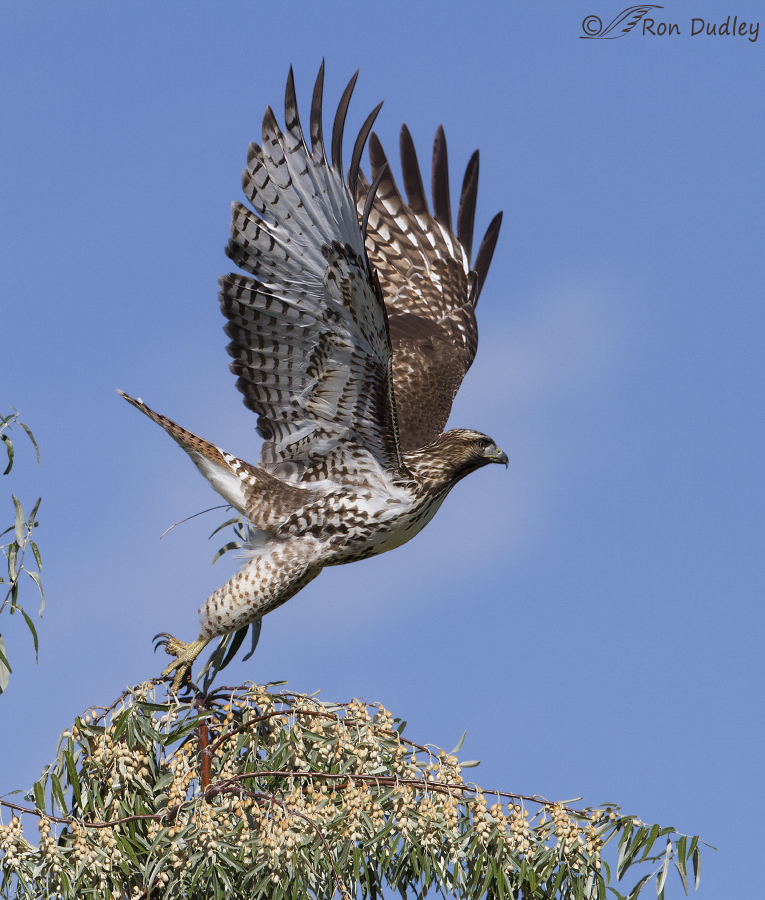
Bird photography isn’t easy and the resulting images are often missing an essential element (or two, or more…) but sometimes I like those shots anyway. Case in point: