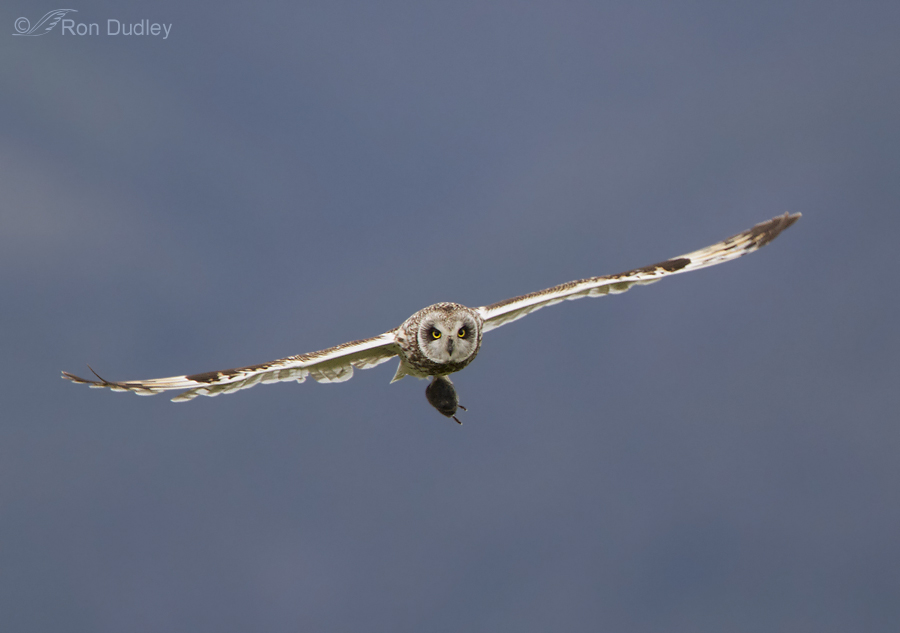
The Interdependence Of Short-eared Owls And Voles
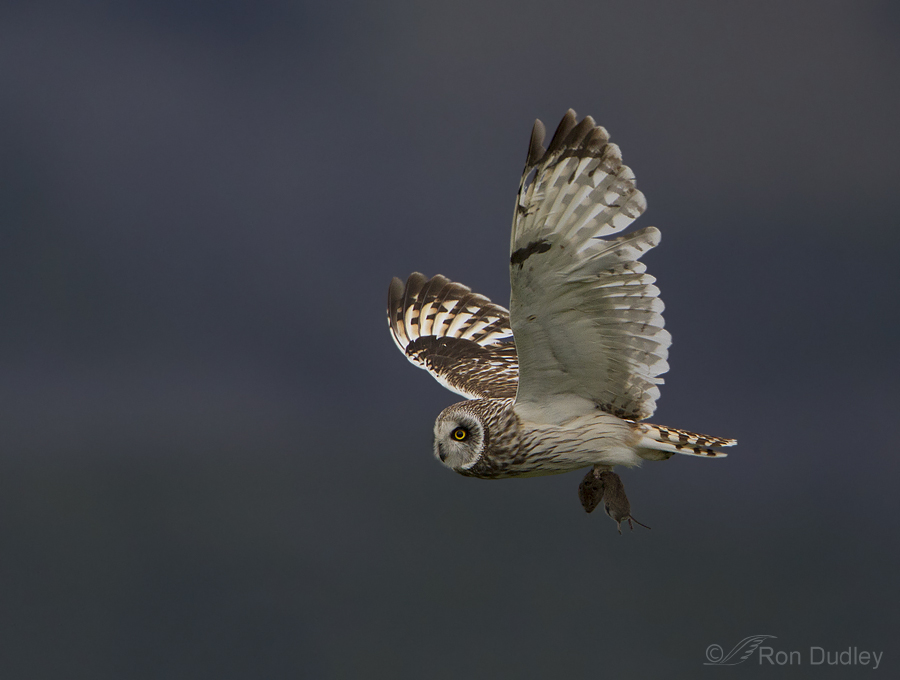
Though Short-eared Owls are one of the worlds most widespread owls, the species is highly dependent on the density of its small mammal prey, voles in particular. Since vole populations fluctuate wildly, Short-eared Owls show significant local variation in numbers and reproductive success from year to year.
Continue reading

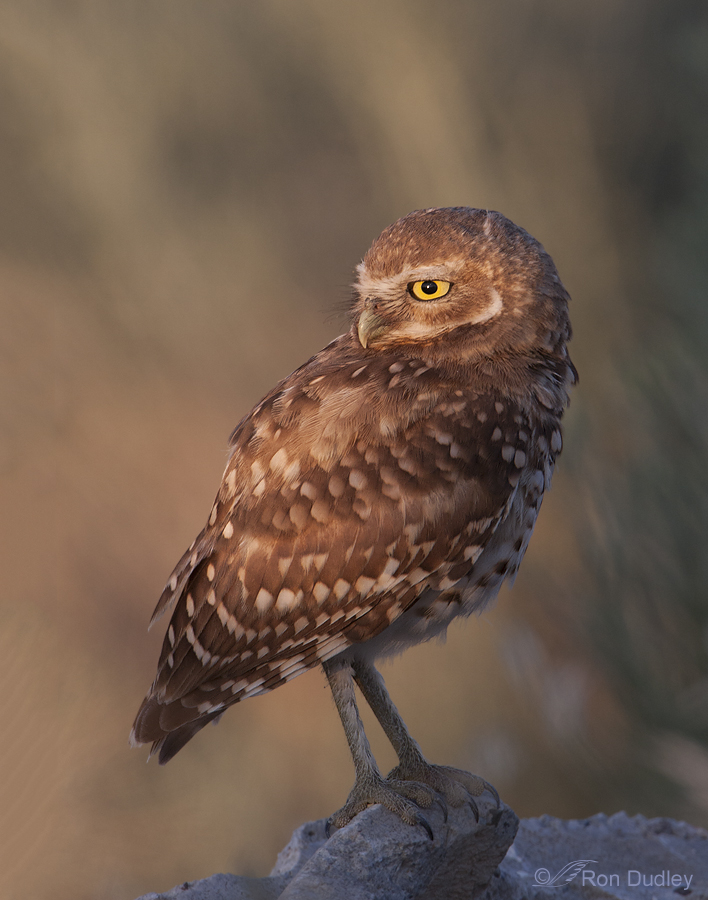
Burrowing Owl In Dramatic Side Light

As every photographer knows, light angle can make or break an image. In static portrait shots especially, partial side lighting (at perhaps 45 degrees to your subject) emphasizes texture, patterns and shapes and helps to separate subject from background. It’s been said that side light “sculpts” your subject.

Continue reading

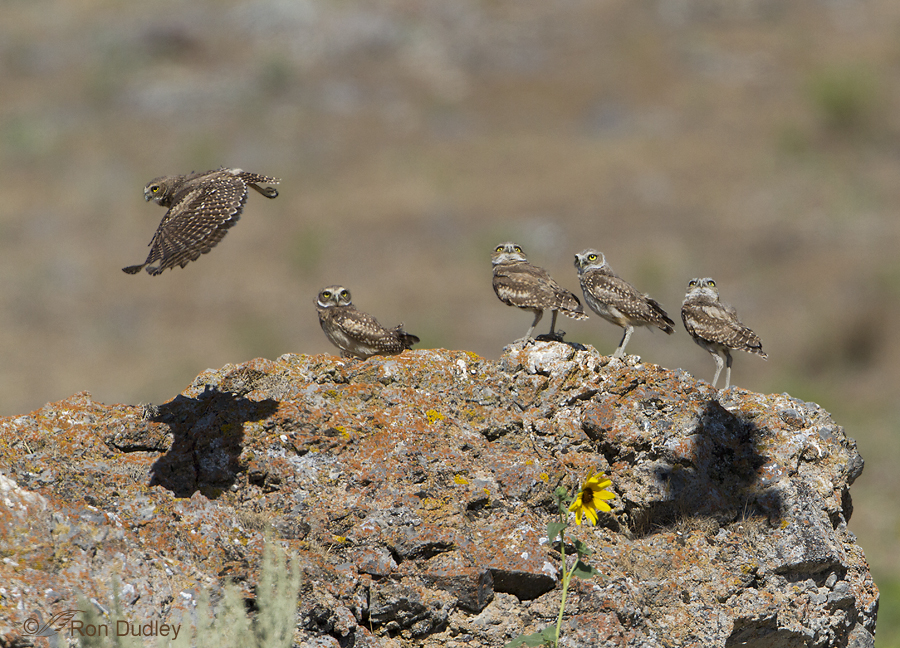
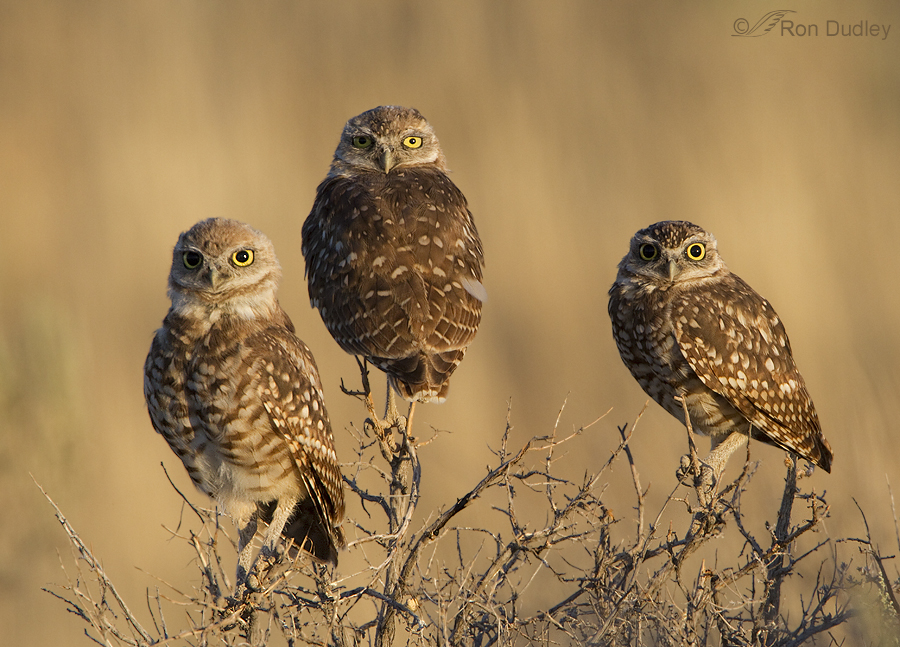
Three Burrowing Owls and More Challenges With Depth Of Field

I’d been photographing a family of these birds for several weeks but typical of the species they were usually on the ground with obstructing vegetation in front of them or buried too deeply in the sagebrush. But as I approached them on this early August morning (in my pickup, from the road) there were two juveniles and one adult perched high on the sagebrush in nice warm light and there was a clean, pleasing background. My little heart went pit-a-pat at the opportunity but then I had to deal with the harsh reality of depth of field.

Continue reading

Owl Head-on Flight Shots Don’t Have To Be Baited

Head-on flight shots of owls have often been baited using live, store-bought mice. I’m of the opinion that baiting raptors is not only unethical (a debate I’d prefer to not get into here) but unnecessary for those kinds of images. However they typically require patience, intimate knowledge of the subject, a keen eye for interpreting behavior and even a little luck.

Continue reading

Some Hope For Barn Owls

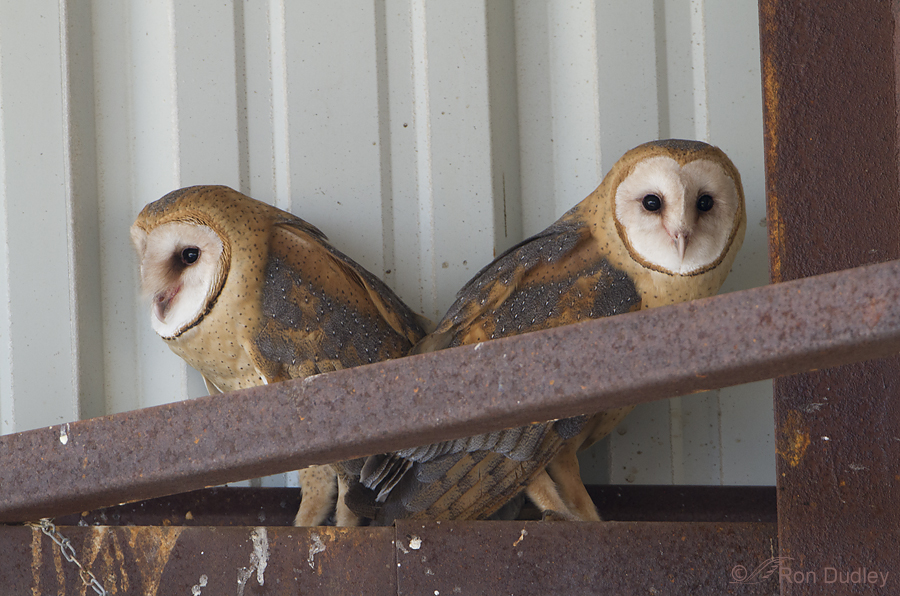
I’ve reported previously on this blog that Barn Owl populations took a huge hit this past winter in northern Utah. It was dreadfully cold for much of the winter with lots of snow. Normally that’s not a huge problem for these owls but with deep snow on the ground we had a warm spell that melted the surface of the snow and immediately after that we had an extended cold snap. Those conditions caused a hard crust of ice to form on the snow surface that lasted for weeks.

Continue reading

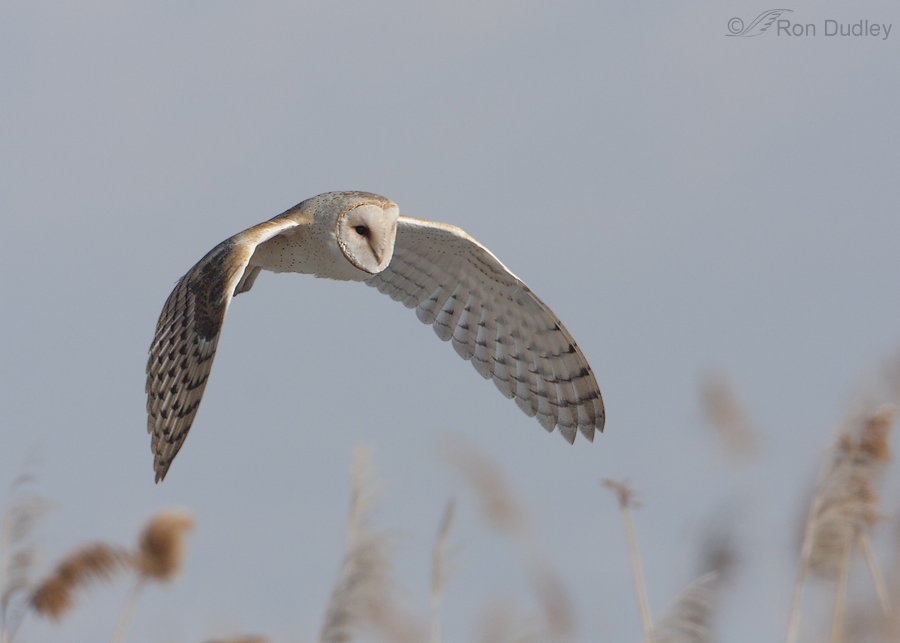
Barn Owl In Flight Showing Dorsal Plumage Patterns and Alulae

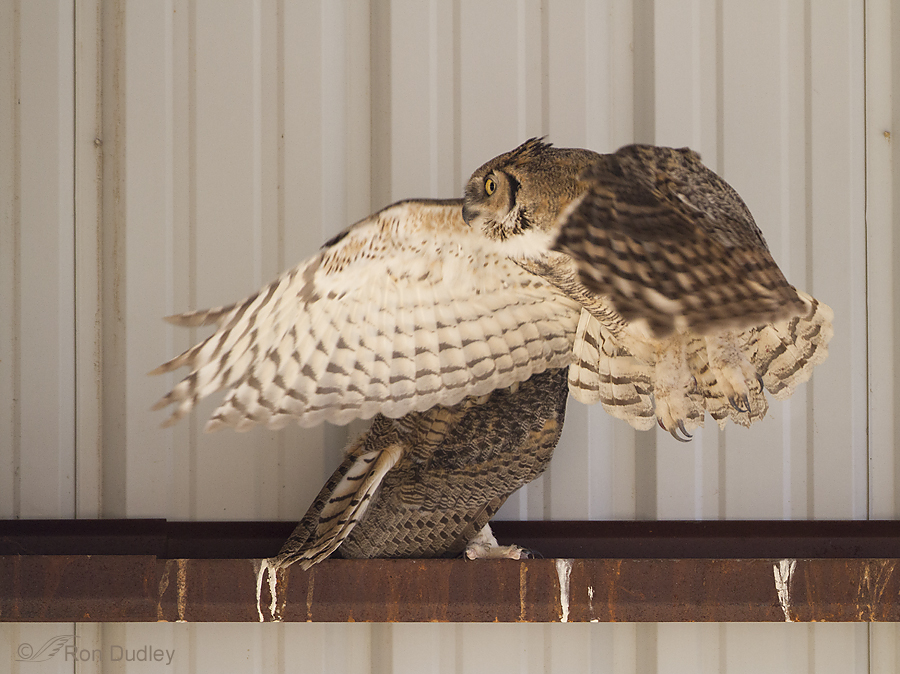
Barn Owls have rather intricate plumage patterns and interesting color gradations on their dorsal (back) surfaces but they are rarely seen in their entirety in a single image. That’s partly because to get such an image you need to get them in flight with their wings out and tail spread which is very difficult to do since they’re primarily nocturnal.  And when you do manage a flight shot of one you’re usually looking up at them and can’t see much, if any, of the dorsal surface.  I thought this image fit the bill. especially with the bird looking down so that we can also see the colors and patterns on the top of the head.  Yes, I do wish I had more light in the eye…    1/1600. f/8, ISO 500 500 f/4, 1.4 tc, natural light, canvas added for composition, not baited, set up or called in Another thing I like about the image is the clear look at the alulae (plural of alula) or “bastard wings – the first digit or “thumb” on the leading edge of the wing. And this shot shows one more thing that intrigues me – the right alula (left in our view) is extended further forward and at a sharper angle than the one on the birds left, perhaps in compensation for the tipped angle of flight.  My research indicates that there’s still debate among experts about whether or not birds have muscular control of the alulae or they only respond to the pressure of air currents.   This owl has just spotted potential prey below and is flying very slowly as…

Continue reading

A Close Encounter With A Short-eared Owl

This was a day I’m sure I’ll never forget – my first up close experience with an owl of any species in the wild. I’d only been photographing birds for about a year and I still had a lot to learn – about my gear, about technique and about my avian subjects.

Continue reading